How Does Minimalism Impact Daily Life?
TL;DR
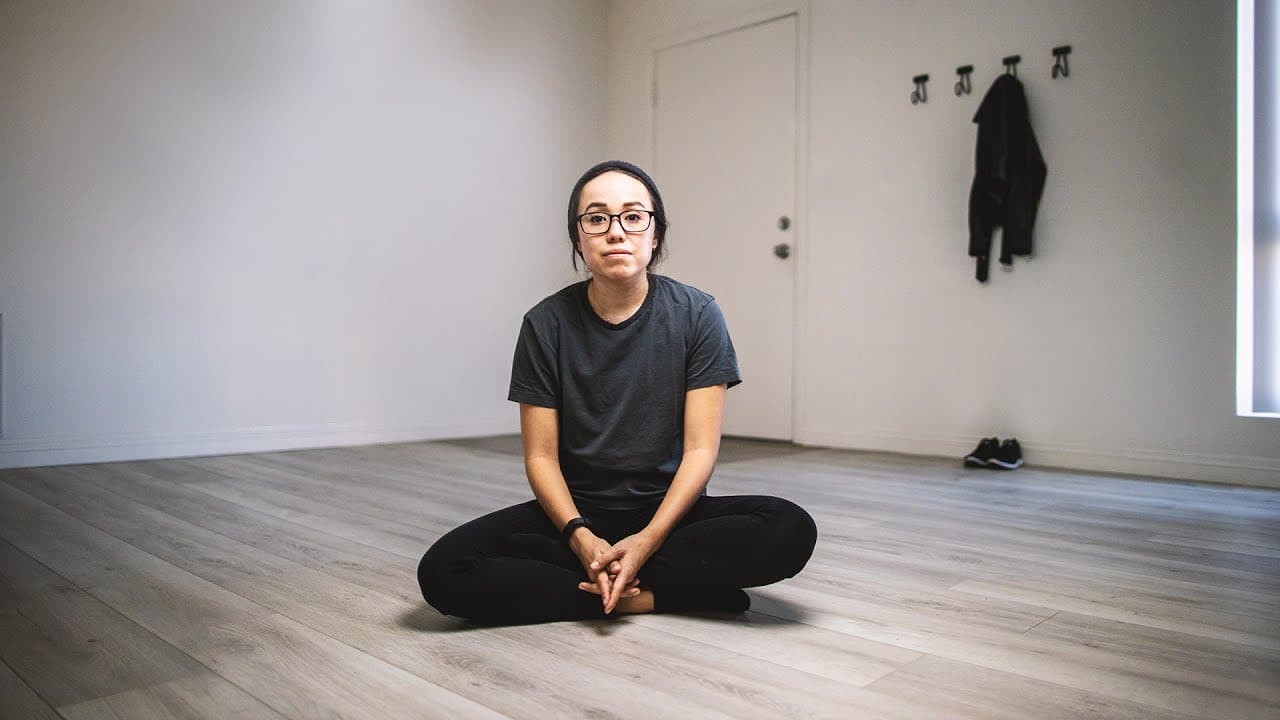
Natalie, who is not naturally inclined towards minimalism, tries a minimalist lifestyle for a week. Despite initial skepticism, she discovers some benefits such as easier wardrobe management and the opportunity to donate unused items. However, she concludes that minimalism is not for her, as she enjoys the variety and choice her belongings offer.
Transcript
(upbeat music) - What are you doing? - Oh I'm sorry, do you want one? - Nah, I'm good, thanks though. That is correct. My wife, Natalie, has decided to try minimalism. Yes, the same Natalie that loves stuff and is not at all into minimalism. I'm not sure how I convinced her to do it, but here we are. This is gonna be interesting, to say the least. ... Read More
Key Insights
- Minimalism involves significantly reducing the number of personal belongings to focus on essentials.
- Natalie participated in a minimalist experiment, reducing her wardrobe to 33 items for one week.
- Project 333 is a minimalist fashion challenge promoting a 33-item wardrobe for three months.
- Decluttering digital devices can be as challenging as physical decluttering.
- Cloud storage and regular backups are crucial to prevent data loss.
- Despite decluttering, Natalie found joy in having a variety of clothing options.
- Minimalism can lead to less stress and more time for oneself, according to some participants.
- Donating unused items can be a positive outcome of decluttering efforts.
Install to Summarize YouTube Videos and Get Transcripts
Explore YouTube Video Summarizer or Get YouTube Transcript Extractor
Questions & Answers
Q: How to start a minimalist lifestyle?
Begin by identifying and reducing unnecessary possessions. Focus on essentials and items that bring joy. Start with one area, like your wardrobe or digital devices, and gradually expand to other parts of your life. Regularly review and donate items you no longer use to maintain a minimalist lifestyle.
Q: What is Project 333?
Project 333 is a minimalist fashion challenge created by Courtney Carver. Participants dress with only 33 items, including clothing, jewelry, accessories, and shoes, for three months. The challenge encourages simplifying wardrobes to reduce stress, save money, and make mornings easier.
Q: What are the benefits of minimalism?
Minimalism can lead to reduced stress, more time for oneself, and financial savings. By focusing on essentials, individuals often experience easier decision-making, less clutter, and a greater appreciation for their belongings. Decluttering can also provide opportunities to donate and positively impact others.
Q: How does digital decluttering work?
Digital decluttering involves organizing and reducing the number of files on devices. Start by backing up important data to cloud storage or external drives. Delete unnecessary files, organize remaining files into folders, and regularly update systems to maintain a clutter-free digital environment.
Q: Why do people choose minimalism?
People choose minimalism to simplify their lives, reduce stress, and focus on what truly matters. By eliminating excess, individuals often find more time, financial freedom, and mental clarity. Minimalism encourages intentional living and helps individuals prioritize experiences over possessions.
Q: What challenges do people face with minimalism?
Challenges include emotional attachment to belongings, fear of scarcity, and societal pressures to own more. Starting the process can be daunting, and maintaining minimalism requires regular review and discipline. Some people struggle with the idea of limiting choices and the initial effort of decluttering.
Q: How can minimalism affect relationships?
Minimalism can lead to improved communication and shared goals in relationships. Partners may collaborate on decluttering and simplifying their lives, leading to less stress and more quality time together. However, differing views on minimalism may require compromise and understanding to maintain harmony.
Q: What are some minimalist decluttering tips?
Start small by focusing on one area, like a closet or desk. Use criteria such as 'Does this bring joy?' or 'Have I used this in the past year?' to decide what to keep. Regularly review and donate unused items, and establish a system for organizing remaining possessions to maintain a minimalist space.
Summary & Key Takeaways
-
Natalie, who typically enjoys having a variety of belongings, participates in a minimalist experiment for a week. She reduces her wardrobe to 33 items and declutters her digital devices. While she discovers some benefits, such as easier decision-making and opportunities to donate, she ultimately finds that minimalism doesn't suit her lifestyle.
-
The experiment highlights the challenges and benefits of minimalism. Natalie finds decluttering exhausting but appreciates the newfound space and opportunity to donate unused items. She learns the importance of backing up digital files and reducing clutter in both physical and digital spaces.
-
Despite the experiment's challenges, Natalie concludes that minimalism is not for her. She enjoys the variety her belongings provide and doesn't feel overwhelmed by her possessions. However, she acknowledges the benefits of decluttering, such as reduced stress and easier wardrobe management.
Read in Other Languages (beta)
Share This Summary 📚
Summarize YouTube Videos and Get Video Transcripts with 1-Click
Try YouTube Summary with ChatGPT & Claude or YouTube Transcript Generator
Explore More Summaries from Matt D'Avella 📚





Summarize YouTube Videos and Get Video Transcripts with 1-Click
Try YouTube Summary with ChatGPT & Claude or YouTube Transcript Generator