How to Recognize Trauma and Start Healing Today
TL;DR
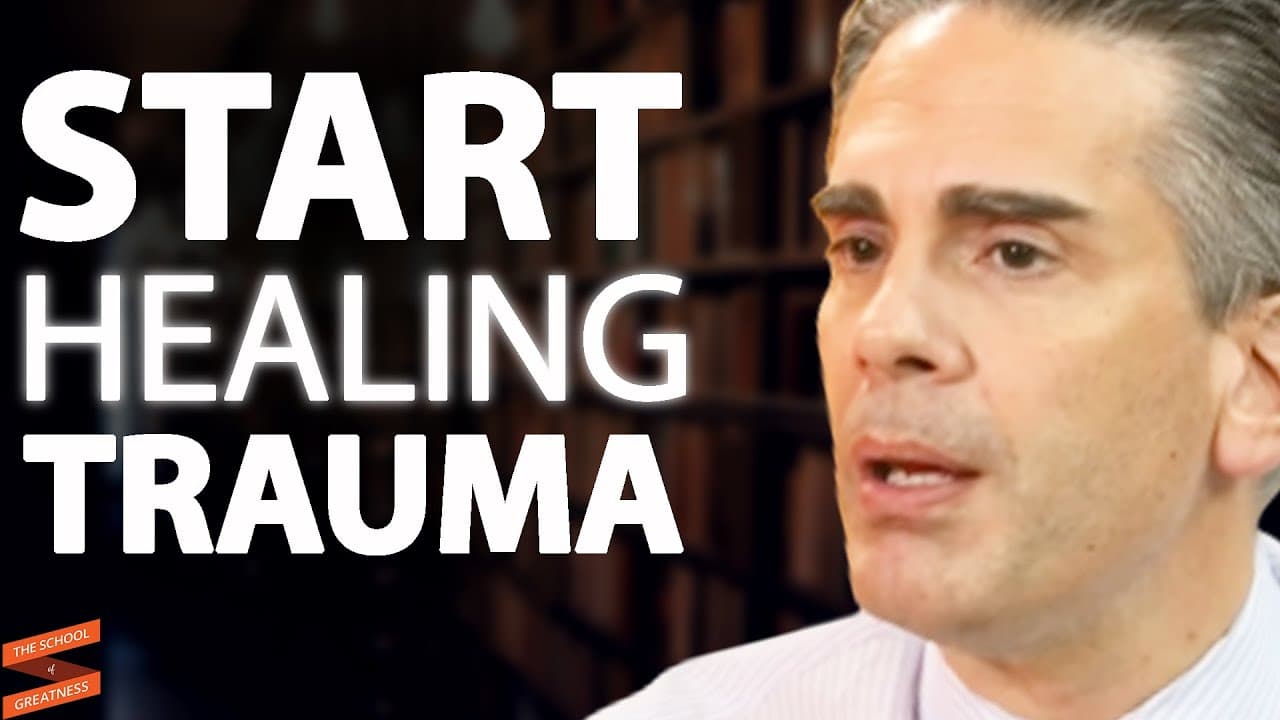
To recognize trauma and begin healing, identify feelings of shame, anxiety, or anger linked to past experiences. Addressing trauma is essential, as it can impact mental health and overall well-being, even altering genetics and brain chemistry. Healing involves awareness, open communication, and potentially rewriting the narrative of your experiences.
Transcript
a lot of people in the nursing homes you could do some therapy with right and and i would see over and over again what is what's plaguing this person right it'll be trauma from 10 20 30 40 50 years ago and if we don't go back and look at them we carry with us i think you gotta have a dream the school of greatness please welcome it's like it's hard ... Read More
Key Insights
- 🧑⚕️ Trauma has a pervasive impact on mental health, contributing to issues like anxiety, depression, and addiction.
- 🤗 The reflexive shame associated with trauma often leads to secrecy and inhibits open communication about one's experiences.
- 🧠 Trauma can alter our genes, brain chemistry, and physical health, underscoring the importance of addressing trauma for overall well-being.
- 🧑⚕️ The prevalence of trauma in society necessitates a shift in the mental health system to prioritize trauma-focused treatment.
- 🎙️ More videos with Paul Conti:
Install to Summarize YouTube Videos and Get Transcripts
Explore YouTube Video Summarizer or Get YouTube Transcript Extractor
Questions & Answers
Q: How prevalent is trauma in the American population?
Trauma impacts a significant portion of the population, with estimates suggesting that over half of Americans have experienced some form of trauma. This includes experiences like sexual assault and traumatic events witnessed in the media.
Q: What are the main reasons people seek therapy related to trauma?
People often seek therapy for trauma-related issues such as anxiety, depression, and an overall sense of angst and frustration. Trauma can manifest in various ways, leading individuals to experience emotional turmoil and struggle to cope with reality.
Q: Can trauma change our genes and affect our brain chemistry?
Yes, trauma can impact our genetics and brain chemistry. Recent studies suggest that trauma experienced years before conception can affect gene activity and make individuals more susceptible to mental health disorders and physical health issues.
Q: Can trauma lead to addiction, and is addiction primarily driven by trauma?
While addiction can have various factors, trauma plays a significant role in the development of addiction. Trauma can lead individuals to use substances as a coping mechanism to escape their emotional pain or to numb their feelings of shame and vulnerability.
Summary & Key Takeaways
-
Trauma has an undercurrent in almost every aspect of life, including mental health, addiction, and even physical health problems. Addressing trauma is crucial for effective healing.
-
The reflexive shame associated with trauma often leads to secrecy and hinders effective communication and healing.
-
Trauma can leave lasting effects on individuals, impacting their genetics, brain chemistry, and overall biology. Proper healing and addressing trauma can mitigate these effects.
Read in Other Languages (beta)
Share This Summary 📚
Summarize YouTube Videos and Get Video Transcripts with 1-Click
Try YouTube Summary with ChatGPT & Claude or YouTube Transcript Generator
Explore More Summaries from Lewis Howes 📚




Summarize YouTube Videos and Get Video Transcripts with 1-Click
Try YouTube Summary with ChatGPT & Claude or YouTube Transcript Generator