How Do OpenAI's Structured Outputs Improve API Reliability?
TL;DR
OpenAI's structured outputs ensure API responses strictly adhere to provided JSON schemas, enhancing reliability for developers. This feature eliminates common errors such as invalid structure and unexpected output types, enabling smoother integration. Developers can leverage structured outputs through function calling and response format parameters for precise control and validation of API outputs.
Transcript
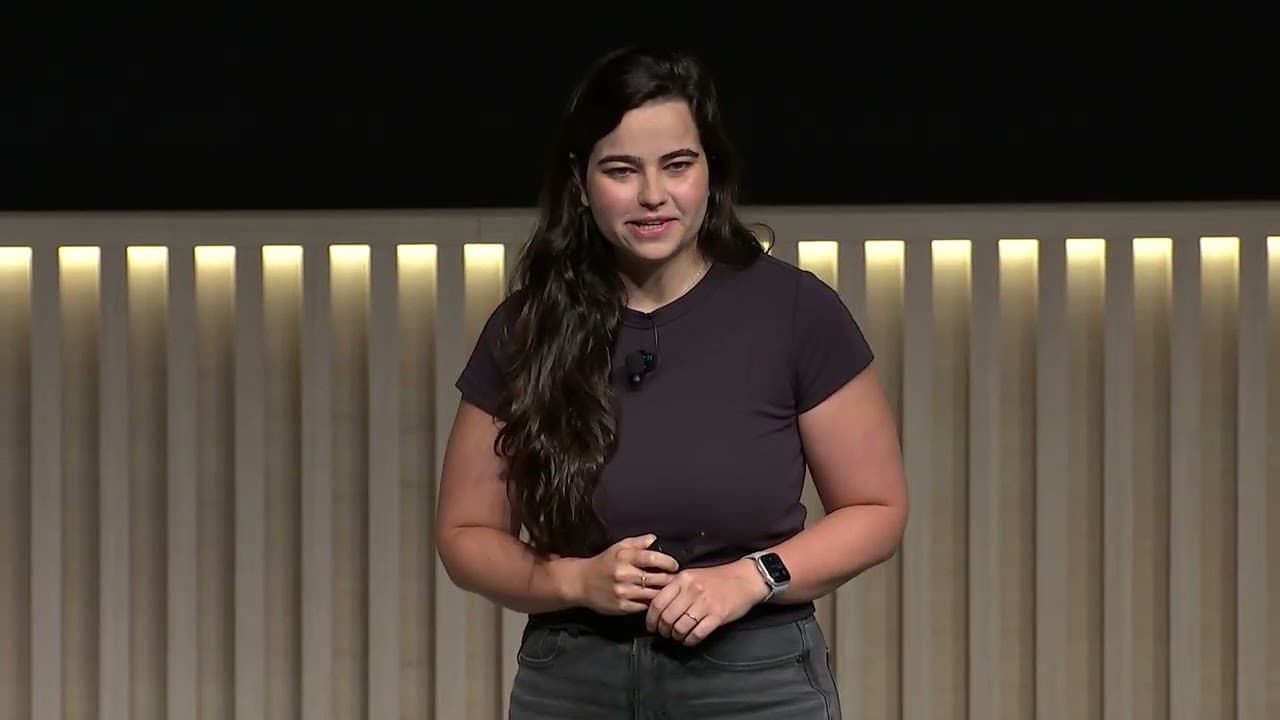
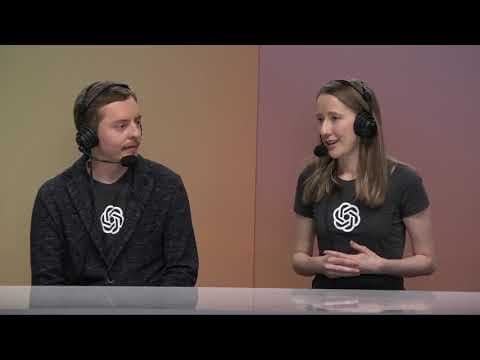
♪♪ [ Applause ] -Hi there. -Hello everyone. We're here to talk about structured outputs, an exciting new future we shared in OpenAI API in August this year. It's been a huge unlock for developers, working with LLMs. And in just a few short weeks, hundreds of thousands of developers have integrated it into their applications. My name is Atty Eleti a... Read More
Key Insights
- 💁 OpenAI's structured outputs provide a mechanism for developers to ensure their applications receive correctly formatted JSON from AI models.
- 👻 The feature allows for the automatic validation of function parameters, enhancing the robustness of applications built on LLMs.
- 🧑🦽 By utilizing structured schemas, developers can streamline workflows and reduce errors associated with manual formatting of API responses.
- 💁 Structured outputs utilize constrained decoding, significantly improving the reliability of LLM interactions by limiting output to desired types and formats.
- 🤙 Developers can leverage this feature to create complex applications that require multi-step interactions and workflows involving numerous API calls.
- 💦 Integration with libraries like Zod in JavaScript and Pydantic in Python enhances runtime type safety while working with structured outputs.
- 💁 Over time, accuracy improvements in models for following specified formats have been achieved through targeted training that incorporates complex schemas.
Install to Summarize YouTube Videos and Get Transcripts
Explore YouTube Video Summarizer or Get YouTube Transcript Extractor
Questions & Answers
Q: What are structured outputs and why are they important?
Structured outputs are a feature introduced by OpenAI that ensures generated outputs from its models comply strictly with predefined JSON schemas. This is crucial for developers as it improves the reliability of integrations and reduces the likelihood of errors caused by unexpected output formats. By constraining the model's outputs, developers can build applications that interact seamlessly with external APIs and databases.
Q: How do structured outputs differ from previous output methods in the OpenAI API?
Previously, LLMs would generate outputs that could be unpredictable, often resulting in invalid JSON or irrelevant text surrounding important data. With structured outputs, developers provide strict schemas, allowing the models to generate outputs that conform precisely to the specified format. This reduces trial and error during implementation, making it easier to integrate LLMs into real-world applications.
Q: Can you describe the two modes in which structured outputs can be used?
Structured outputs can be utilized in two primary modes: function calling and response format parameters. Function calling allows developers to define the schema when making API requests for specific functions, ensuring generated parameters match the required types. Response format parameters, on the other hand, let developers dictate how the model should respond directly to user inquiries, thus controlling the output structure in conversational scenarios.
Q: What were some challenges faced in implementing structured outputs?
One of the significant challenges in implementing structured outputs was ensuring that models reliably produce valid JSON outputs. Previous methods often allowed for incorrect formatting or type mismatches. OpenAI had to develop constrained decoding methods to prevent these issues and improve the models' understanding of schemas to ensure outputs adhered to the specified formats consistently.
Q: What needs do structured outputs address in AI development?
Structured outputs address needs for reliable data extraction and parameter passing in AI applications. Prior to this feature, developers faced frequent errors due to mismatched output formats, which hindered the integration of LLMs into their products. By providing structured expectations for outputs, developers can reduce debugging time and improve user experience in applications built on the OpenAI API.
Q: How does OpenAI ensure the performance of their structured outputs feature?
OpenAI employs techniques like token masking during the inference process to enhance performance while ensuring valid outputs. This approach minimizes the computational load by restricting the model's output choices based on the specified JSON schema, allowing for quick responses without compromising the accuracy of the generated data.
Q: What are some applications where structured outputs are being used successfully?
Structured outputs are being adopted across various fields, with notable examples including customer service applications, productivity tools, and AI-driven content creation services. Companies like Shopify have successfully integrated structured outputs to minimize hallucinations and ensure their applications provide reliable data, showcasing the practical benefits of this new API feature.
Summary & Key Takeaways
-
The introduction of structured outputs by OpenAI enables developers to require JSON-compliant outputs from its models, making integration more reliable and efficient.
-
This feature aims to eliminate common errors in LLM responses, such as incorrect JSON structure or unexpected output types, improving application performance.
-
Structured outputs are facilitated through two methods: function calling and response format parameters, both allowing for precise control over API outputs.
Read in Other Languages (beta)
Share This Summary 📚
Summarize YouTube Videos and Get Video Transcripts with 1-Click
Try YouTube Summary with ChatGPT & Claude or YouTube Transcript Generator
Explore More Summaries from OpenAI 📚


Summarize YouTube Videos and Get Video Transcripts with 1-Click
Try YouTube Summary with ChatGPT & Claude or YouTube Transcript Generator