How to Turn Middle Managers into True Leaders
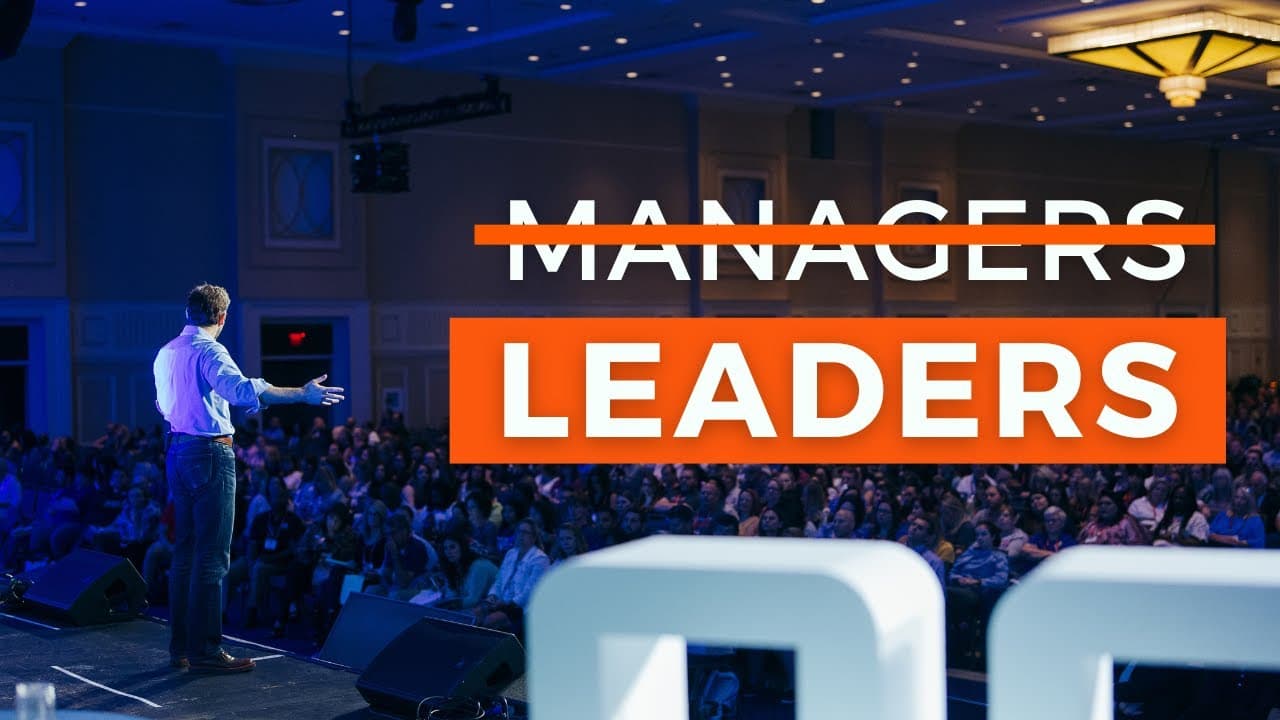
TL;DR
Lead people by creating conditions where they feel trusted, protected, and safe to admit mistakes, uncertainty, or personal struggles without humiliation or career penalties. Leadership is a learned responsibility, not a rank, and managers improve by studying it continuously, inviting honest feedback, and helping the people around them rise.
Transcript
hi everyone I'm so excited to welcome you to leadership lab my name is sopia chova I'm the VP of people strategy and I wanted to first start by saying thank you for taking the time to come to our first leadership lab please join me in welcoming Simon cic who's an award-winning author and speaker and our uh VP of engineering Tower rabu to the stage ... Read More
Key Insights
- Management is appropriate for processes, projects, and schedules, while people need to be led. Treating leadership as a human responsibility changes the goal from controlling employees to creating conditions in which they can contribute willingly and develop their abilities.
- Leadership is the responsibility to help the people around a leader rise. Formal rank provides authority, but it does not automatically create respect, trust, psychological safety, or the voluntary commitment that distinguishes genuine followership from simple compliance.
- Leadership is a learned skill that deserves the same deliberate study as technical work. Effective leaders read books and articles, watch talks, discuss leadership regularly, and remain fascinated by improving their ability rather than declaring themselves experts.
- Promotion is often based on strong performance in a trained technical role, but the promoted employee may suddenly face an entirely different job called leadership. Organizations commonly provide extensive technical instruction while offering little preparation for the human responsibilities attached to authority.
- Trust is the condition that makes people willing to follow a leader. Employees may obey instructions because of authority or fear, but they offer greater voluntary effort when they believe their leader supports them, protects them, and deserves their respect.
- Psychological safety is the confidence to admit a mistake, say "I don't know," acknowledge fear, or disclose that a personal struggle is affecting work. Safety exists when those admissions bring support instead of humiliation, retaliation, or damage to a person's career.
- Niceness is not the same as psychological safety. A team can be so concerned about avoiding offense that its members become passive-aggressive, withhold useful feedback, and leave colleagues without the information they need to improve their performance or advance their careers.
- Human cooperation is rooted in mutual protection and dependence. The discussion uses early tribes to illustrate why people accept hierarchy only with an accompanying social expectation that higher-status members will help protect the group rather than merely enjoy its privileges.
Install to Summarize YouTube Videos and Get Transcripts
Explore YouTube Video Summarizer or Get YouTube Transcript Extractor
Questions & Answers
Q: What is the difference between a manager and a leader?
A manager can manage a process, project, or schedule, but people must be led. Management is commonly treated as a position or rank, while leadership is a responsibility to help the people around the leader rise. Authority can produce compliance, but genuine followership depends on trust, respect, psychological safety, and confidence that the leader supports the team.
Q: How can a middle manager become a true leader?
A middle manager can become a leader by treating leadership as a skill and accepting responsibility for the growth of other people. That means studying leadership through books, articles, talks, and conversations, while creating conditions where employees feel trusted and protected. The strongest leaders continue to see themselves as students and focus on helping those around them rise.
Q: Why does formal authority not automatically create leadership?
Formal rank gives someone authority to direct work, but it does not guarantee that people trust or respect that person. Employees may follow instructions because they fear consequences or recognize the organizational hierarchy. Genuine leadership appears when people contribute willingly because they feel psychologically safe, believe the leader has their back, and want to make that leader proud.
Q: What is psychological safety at work?
Psychological safety is the feeling that a person can admit a mistake, say they do not know something, acknowledge fear, or explain that a struggle at home is affecting work without expecting humiliation, retaliation, or career damage. In a psychologically safe team, employees can make such admissions confidently because colleagues and leaders respond by offering support.
Q: Why is being nice insufficient for psychological safety?
Niceness can become counterproductive when people avoid honest feedback because they are afraid of causing offense. A workplace may appear friendly while operating passive-aggressively, leaving employees unaware of problems and unable to improve. Psychological safety requires more than pleasant behavior. It requires confidence that truthful admissions and constructive feedback will be met with support rather than punishment.
Q: Why must leadership be studied as a skill?
Employees usually receive training for the technical jobs they perform, and strong performance can earn them promotions. Eventually, however, they may enter a role where their primary responsibility is leadership, which is different from the work they originally learned. Because formal preparation is often limited, leaders must deliberately study, discuss, and practice the human skills their new responsibility requires.
Q: How does trust influence employee followership?
Trust turns required compliance into willing followership. People may do what a manager says because that manager has authority or because they fear negative consequences. They contribute more willingly when they believe the leader will protect them and support their development. That confidence encourages effort motivated both by commitment to the company and by a desire to make the leader proud.
Q: How can teams interrupt unproductive discussion respectfully?
A team can establish a shared, non-hostile signal that means a point has been understood and the conversation should move forward. The discussed organization uses the word "banana" for this purpose. Anyone in the room can say it when someone keeps talking after making a point, providing a polite way to interrupt without creating unnecessary discomfort or confusion.
Summary & Key Takeaways
-
Management applies to processes, projects, and schedules, while leadership applies to people. Employees may comply with authority or fear, but willing followership grows from trust, respect, and confidence that a leader will protect the team. The central responsibility of leadership is to help the people around the leader rise.
-
Leadership is a skill that requires deliberate study. Employees are often promoted because they excel at technical work, then receive a new responsibility for which they have little training. Strong leaders keep learning through books, articles, talks, and conversations, and continue viewing themselves as students rather than experts.
-
Psychological safety means people can admit mistakes, acknowledge uncertainty, disclose struggles affecting their work, or express fear without expecting humiliation, retaliation, or career damage. Niceness alone does not create this environment. Excessive politeness can suppress feedback, while genuine safety prompts colleagues and leaders to provide practical support.
Read in Other Languages (beta)
Share This Summary 📚
Summarize YouTube Videos and Get Video Transcripts with 1-Click
Try YouTube Summary with ChatGPT & Claude or YouTube Transcript Generator
Explore More Summaries from Simon Sinek 📚






Summarize YouTube Videos and Get Video Transcripts with 1-Click
Try YouTube Summary with ChatGPT & Claude or YouTube Transcript Generator