How to Create Effective Meta Ad Hooks
TL;DR
Creating effective hooks for Meta ads involves testing multiple variations to capture audience attention. Hooks should be tailored to demographics, time periods, or specific emotional triggers. Educational and regret-focused hooks can also drive engagement. Using stock media from platforms like Storyblocks can enhance ad creativity without additional production costs.
Transcript
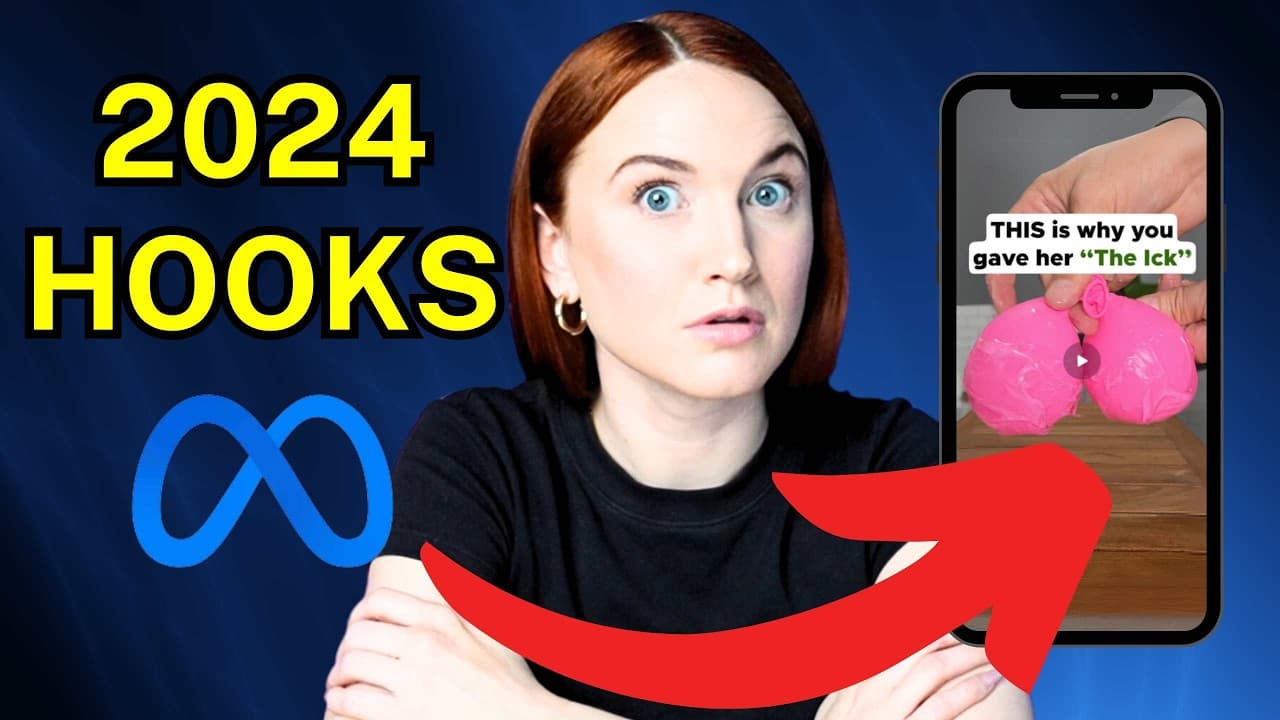
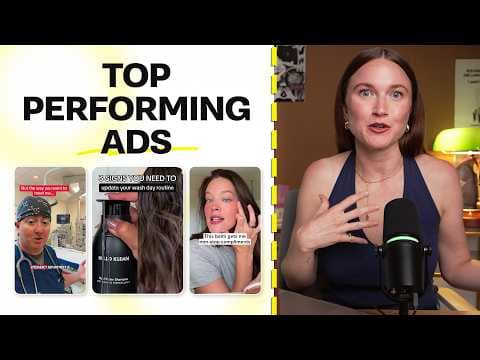
a huge thanks to story blocks for sponsoring this video The Right Hook can make or break your video ads on meta it's so important that for every single ad I test I make sure to include two to four hook variations to make sure that I get it right in the hook simply put is the first 1 to 3 seconds of your video ad creative the right hook should help ... Read More
Key Insights
- Hooks are the first 1 to 3 seconds of a video ad and are crucial for engagement.
- Family-related hooks can resonate with audiences who value family, enhancing ad effectiveness.
- Time-specific hooks, such as mentioning how quickly a product works, can increase consumer interest.
- Demographic-specific hooks help in targeting and can be particularly effective for older audiences.
- Negative sentiment hooks, including regret, often outperform positive sentiment hooks.
- POV (point of view) hooks are trending and can be effective by adding a relatable perspective.
- Problem-oriented hooks target upper-funnel audiences, while product-oriented hooks target those ready to convert.
- Superlative hooks use terms like 'world's best' to appeal to consumers already aware of a product.
Install to Summarize YouTube Videos and Get Transcripts
Explore YouTube Video Summarizer or Get YouTube Transcript Extractor
Questions & Answers
Q: How to create effective hooks for Meta ads?
To create effective hooks for Meta ads, focus on the first 1 to 3 seconds to capture attention. Test multiple variations, including those that mention family, specific time periods, or demographics. Use negative sentiment or POV statements to increase engagement. Tailor hooks to target either problem-oriented or product-oriented audiences for better conversion.
Q: What are family-related hooks in advertising?
Family-related hooks in advertising involve mentioning family members or dynamics to resonate with audiences who prioritize family. These hooks can be effective as they tap into emotional connections, making viewers more likely to engage with the ad or consider purchasing for family-related reasons. They work well if customer feedback often mentions family influences.
Q: Why use time-specific hooks in ads?
Time-specific hooks in ads create urgency and specificity, making them more memorable. By mentioning how quickly a product solves a problem or delivers results, these hooks increase consumer interest and can differentiate an ad in a crowded market. Specific time frames can make claims more credible and appealing to potential customers.
Q: What are demographic-specific hooks?
Demographic-specific hooks target specific audience segments, such as age groups or communities, to enhance ad relevance and engagement. By addressing the unique needs or characteristics of a demographic, these hooks improve targeting precision. For example, mentioning age can be crucial when targeting older audiences, ensuring the message resonates more effectively.
Q: How do negative sentiment hooks work?
Negative sentiment hooks, including those expressing regret, often outperform positive ones by tapping into common fears or concerns. They can provoke a stronger emotional response, prompting viewers to engage with the ad. Statements like 'I regret not using this sooner' can create urgency and highlight the benefits of the product by contrasting with negative experiences.
Q: What is the POV trend in advertising hooks?
The POV (point of view) trend in advertising hooks involves framing the ad from a relatable perspective, such as 'POV: Solving a common problem.' This approach can make the ad more engaging by placing viewers in a familiar scenario, increasing relatability and interest. Adding 'POV' to existing successful hooks can further boost engagement rates.
Q: Why are superlative hooks effective?
Superlative hooks use terms like 'world's best' to emphasize the superiority of a product, appealing to consumers who are aware of the product but undecided. These hooks can sway those on the fence by highlighting unique selling points. They work well in competitive markets where distinguishing features can influence purchasing decisions.
Q: How can Storyblocks enhance ad creativity?
Storyblocks enhances ad creativity by providing access to a vast library of stock media, including videos, templates, and sound effects. This allows advertisers to create visually appealing ads without the need for costly production. With royalty-free content, users can focus on crafting engaging hooks and messaging, ensuring ads stand out on platforms like Meta.
Summary & Key Takeaways
-
Effective Meta ad hooks require testing various approaches to engage viewers. Hooks mentioning family, specific time frames, or demographics can enhance targeting and conversion. Negative sentiment hooks, such as expressing regret, often outperform positive ones.
-
Using POV statements and superlatives like 'world's best' can capture attention and drive engagement. Problem-oriented hooks appeal to broader audiences, while product-oriented hooks target those closer to conversion.
-
Platforms like Storyblocks offer stock media solutions to enhance ad creativity without additional costs. Combining imagery strategies with messaging can further boost ad performance on Meta platforms.
Read in Other Languages (beta)
Share This Summary 📚
Summarize YouTube Videos and Get Video Transcripts with 1-Click
Try YouTube Summary with ChatGPT & Claude or YouTube Transcript Generator
Explore More Summaries from Dara Denney 📚


Summarize YouTube Videos and Get Video Transcripts with 1-Click
Try YouTube Summary with ChatGPT & Claude or YouTube Transcript Generator