How Does Nutrition Impact Global Health and Child Development?
TL;DR
Nutrition significantly influences global health, affecting both undernutrition and rising obesity rates. Key factors include maternal nutrition, exclusive breastfeeding, and access to micronutrients like vitamin A, which bolster immunity and overall health. Optimal nutrition during the first 1,000 days of life is crucial for physical and cognitive development, highlighting the urgent need for effective nutritional interventions.
Transcript
welcome in this session we're going to speak about nutrition we'll focus on the importance of nutrition to Global health the nutritional state of the world key nutritional issues and what we've learned might be done to address some of those issues by the time you finish this session you should be able to Define key terms related to nutrition descri... Read More
Key Insights
- 🇿🇦 Low birth weight and underweight issues are prevalent in South Asia and sub-Saharan Africa.
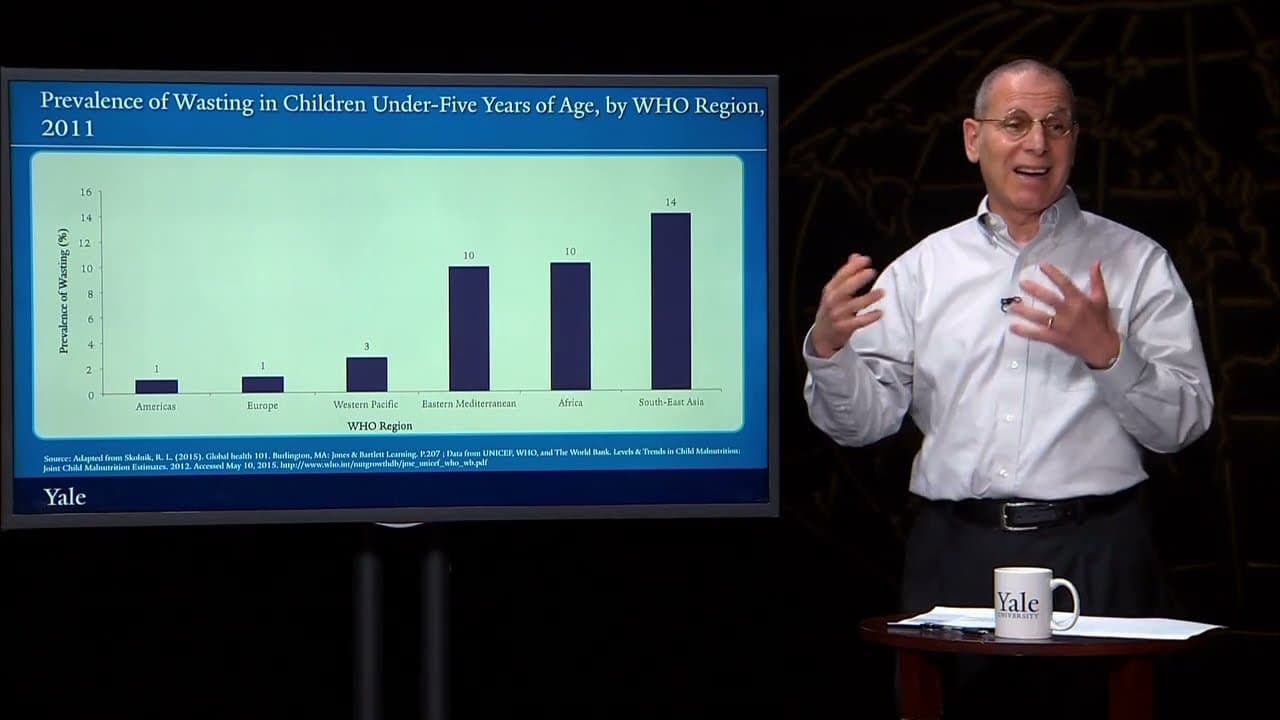
- 😋 Wasting often occurs in conflict-prone areas or during humanitarian emergencies when access to nutritional foods becomes limited.
- 🌗 Stunting, underweight, and wasting have long-lasting effects on physical and cognitive development.
- ☠️ Obesity and overweight rates are increasing globally, especially in developing countries.
- 🤕 Proper nutrition during the first 1,000 days (from conception to two years of age) is crucial for a child's growth and development.
- 💨 Nutrition interventions, such as growth monitoring, micronutrient supplementation, and exclusive breastfeeding promotion, are cost-effective ways to tackle undernutrition.
- 🥵 Policies targeting nutrition education, healthy eating choices, and physical activity are essential in addressing overweight and obesity issues.
Install to Summarize YouTube Videos and Get Transcripts
Explore YouTube Video Summarizer or Get YouTube Transcript Extractor
Questions & Answers
Q: What role does nutrition play in a child's failure to thrive?
Nutrition is critical in a child's growth and development. Poor nutrition during pregnancy and lack of exclusive breastfeeding can lead to low birth weight and underweight issues. Additionally, inadequate nutrition after six months of age can hinder a child's growth and development.
Q: Why is vitamin A important for child health days and immunization?
Vitamin A is essential for both eyesight and boosting a child's immunity. It helps fight off diseases and illnesses, making it crucial for child health days and immunization programs in low and middle-income countries.
Q: What factors contribute to the increasing rates of overweight and obesity in children?
Factors such as the affordability and availability of processed foods with high calories but low nutritional value, economic development leading to increased availability of processed foods, and sedentary lifestyles, including more time spent on video games rather than physical exercise, contribute to the rising rates of overweight and obesity in children.
Q: How do micronutrient deficiencies, such as vitamin A, zinc, iron, and iodine, impact global health?
Micronutrient deficiencies have significant health consequences. Vitamin A and zinc deficiencies affect the general immunity of individuals, while iron deficiency can lead to anemia and reduced productivity. Iodine deficiency can affect cognitive development and is linked to thyroid problems.
Summary & Key Takeaways
-
Nutrition plays a vital role in a child's growth and development, with factors such as poor nutrition during pregnancy and lack of exclusive breastfeeding affecting their health.
-
Vitamin A deficiency can lead to night blindness and affect children's immunity, making it an important addition to child health days and immunization programs.
-
The prevalence of overweight and obesity is increasing globally, especially in developing countries, due to factors such as processed foods, sedentary lifestyles, and lack of exercise.
Read in Other Languages (beta)
Share This Summary 📚
Summarize YouTube Videos and Get Video Transcripts with 1-Click
Try YouTube Summary with ChatGPT & Claude or YouTube Transcript Generator
Explore More Summaries from YaleCourses 📚


Summarize YouTube Videos and Get Video Transcripts with 1-Click
Try YouTube Summary with ChatGPT & Claude or YouTube Transcript Generator