How Does Cannabis Affect Health and What Are the Risks?
TL;DR
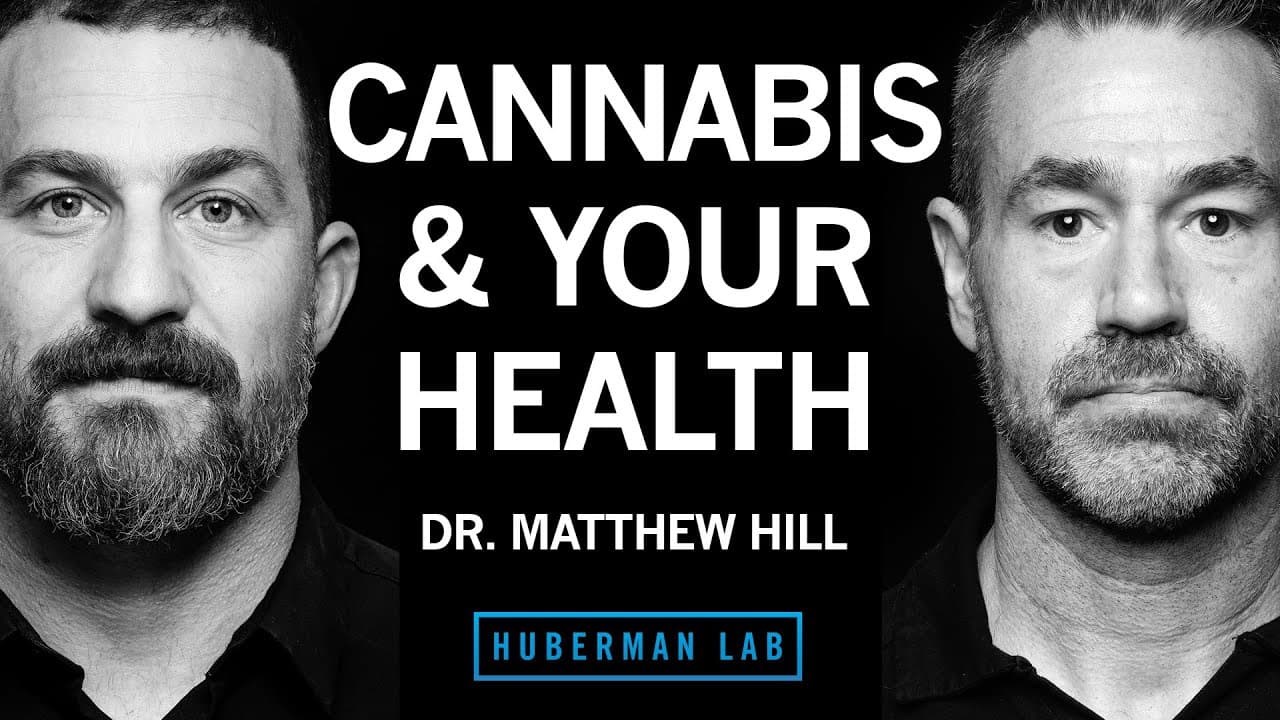
Cannabis impacts health primarily through cannabinoids like THC and CBD, which can produce psychoactive effects and potentially influence mental health. While it can alleviate conditions like chronic pain and stimulate appetite, high-frequency use poses risks of psychological dependence and exacerbation of mental disorders, especially for at-risk individuals.
Transcript
welcome to the huberman Lab podcast where we discuss science and science-based tools for everyday life I'm Andrew huberman and I'm a professor of neurobiology and Opthalmology at Stanford School of Medicine my guest today is Dr Matthew Hill Dr Matthew Hill is a professor of Cell Biology and Anatomy at the University of Calgary his laboratory studie... Read More
Key Insights
- ❓ Cannabis comprises various cannabinoids, each with distinct effects, predominantly influenced by THC and CBD.
- 😒 High-frequency cannabis use can lead to psychological dependence and potential exacerbation of mental health disorders, especially in vulnerable populations.
- 👨🎨 Cannabinoids can modulate pain perception effectively, often aiding in chronic pain management without the severe side effects associated with traditional pain medications.
- ❓ The varying effects of cannabis highlight the importance of understanding dosage and individual differences in response to cannabinoids.
- 😷 While THC can enhance appetite, CBD lacks significant psychoactive effects and is associated with potential therapeutic benefits for certain medical conditions, like epilepsy.
- 💉 Ongoing research is needed to clarify the long-term physiological and psychological impacts of cannabis use and its various compounds, especially regarding general safety and health outcomes.
- 😒 Current literature focuses on the need for accurate labeling, dosing recommendations, and education regarding cannabis use to prevent misuse and misinterpretation of its effects.
Install to Summarize YouTube Videos and Get Transcripts
Explore YouTube Video Summarizer or Get YouTube Transcript Extractor
Questions & Answers
Q: What distinguishes THC from CBD in cannabis?
THC is the primary psychoactive component of cannabis, binding to the CB1 receptor, causing euphoric effects. In contrast, CBD does not bind to this receptor in the same manner, often acting as an antagonist, with therapeutic potential for epilepsy and anxiety without intoxication.
Q: Are there significant health risks associated with cannabis use?
Yes, risks include potential cardiovascular issues, exacerbation of mental health disorders like schizophrenia, and the possibility of developing a cannabis use disorder, particularly in those predisposed to anxiety and psychosis.
Q: How does cannabis influence sleep and anxiety?
Cannabis can have varying effects on sleep; while some users report improved sleep and reduced anxiety, excessive use often leads to disrupted sleep patterns, particularly through THC recreational use which alters sleep architecture.
Q: What role do cannabinoids play in appetite stimulation?
Cannabinoids, primarily THC, are known to increase appetite by activating specific receptors in the brain, which may explain the phenomenon of "the munchies" that many users report after consuming cannabis.
Q: Can cannabis help with chronic pain management?
Yes, cannabis, particularly THC, has shown efficacy in alleviating chronic pain by impacting pain perception and the emotional response to pain, helping to reduce the intensity of painful stimuli.
Q: What are the potential risks of using high-THC cannabis?
High-THC cannabis may lead to increased anxiety, paranoia, and even acute psychotic episodes in some individuals, particularly those predisposed to mental health conditions, warranting caution in its use.
Q: How does cannabis affect cardiovascular function?
Cannabis can alter cardiovascular activity by causing increased heart rate and potentially leading to postural hypotension. Users with preexisting heart conditions may be at greater risk for adverse cardiovascular effects.
Q: Are there any established medicinal uses for CBD?
Yes, CBD has been shown to be effective in treating certain forms of epilepsy, specifically Dravet syndrome and Lennox-Gastaut syndrome, leading to its approval in certain formulations for medical use.
Summary & Key Takeaways
-
Dr. Matthew Hill discusses the complexities of cannabis, including its psychoactive compounds and their varying effects based on strain type and composition.
-
The podcast explores the potential adverse effects of cannabis use, particularly concerning mental health issues such as anxiety, psychosis, and the implications for individuals predisposed to certain conditions.
-
A focus on cannabis application in medical contexts highlights its potential for treating conditions like chronic pain and epilepsy, while questioning the long-term risks and benefits of regular use.
Read in Other Languages (beta)
Share This Summary 📚
Summarize YouTube Videos and Get Video Transcripts with 1-Click
Try YouTube Summary with ChatGPT & Claude or YouTube Transcript Generator
Explore More Summaries from Huberman Lab 📚



Summarize YouTube Videos and Get Video Transcripts with 1-Click
Try YouTube Summary with ChatGPT & Claude or YouTube Transcript Generator