Into The Lair #3 - Dissecting the Mix "Shorty is a Weirdo" Part 1
TL;DR
To mix a song effectively, start by recording in real-time to maintain control over your sound. Use bus routing to group elements like vocals and drums, and apply mastering techniques such as multiband compression and limiting for clarity. Incorporate pumping effects with compressor plugins to enhance energy, while blending live and programmed instruments for a cohesive mix.
Transcript
hey how you doing welcome to this week's into the lair I appreciate you watching us last week we had the episode on stereo buss compression that was just an introduction we're going to go in deeper into that I want to apologize my friend Sebastian walked in when we were talking about pumping I appreciate you guys let me know that so we'll do that p... Read More
Key Insights
- ⌛ Dave records the entire song in real-time to maintain control over the recording process.
- 👥 Bus routing is used to group and process different elements of the mix efficiently.
- ❓ Mastering techniques like multiband compression and limiting are employed to enhance the overall clarity and dynamics of the mix.
- ⛽ Pumping effects are created using a compressor plugin to add energy and movement to the mix.
- 🫒 Integration of live and programmed drums in the mix showcases Dave's versatile mixing approach.
- 👂 Utilization of various plugins and hardware for processing different elements of the mix enhances the overall sound quality.
- 🗾 Dave's collaboration with musicians like Brent Passkey and Ray J highlights his connection to the music industry.
Install to Summarize YouTube Videos and Get Transcripts
Explore YouTube Video Summarizer or Get YouTube Transcript Extractor
Questions & Answers
Q: What recording method does Dave prefer for his mixing sessions?
Dave prefers to record the entire song in real-time rather than bouncing to disk, allowing him to maintain control over the recording process and capture a more dynamic performance.
Q: How does Dave utilize bus routing in his mixing setup?
Dave uses bus routing to group and process different elements of the mix, such as drums, vocals, and effects, allowing for a more efficient workflow and better control over the overall sound.
Q: What mastering techniques does Dave employ in his mixing process?
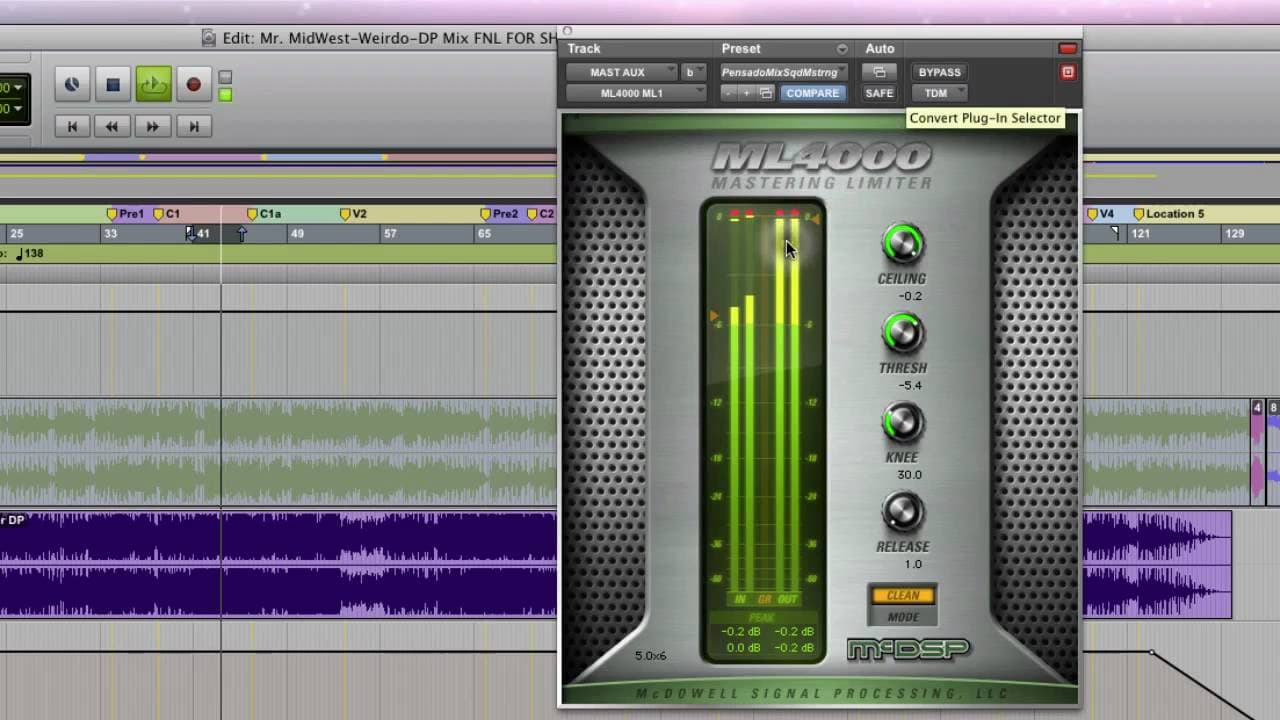
Dave utilizes hardware and software plugins for mastering, including multiband compressors like the ML 4000 and limiters like the L2 to enhance the dynamics and overall clarity of the mix.
Q: How does Dave incorporate pumping effects in his mixing example?
Dave demonstrates the use of a compressor plugin to create pumping effects, dynamically reducing the volume when the kick drum hits to add energy and movement to the mix.
Summary
In this episode of "Into the Lair," the host starts by apologizing for a mistake in the previous episode and mentions that they will cover stereo buss compression in more depth. The host also encourages viewers to share their own workflows and techniques. They then dive into a session called "Weirdo" and show the signal flow from the individual tracks to the final output. The host discusses the equipment and plugins they used for the track, including a real-time analyzer and a master fader. They also talk about using submixes for drums, inspired by Michael Brauer's technique, and demonstrate some processing on the drums. The host explains their workflow for vocals and shares a tip for printing stems. The episode concludes with an example of pumping using a compressor plugin.
Questions & Answers
Q: What is the purpose of recording the entire song real-time instead of bouncing it to disk?
Recording the entire song in real-time allows the host to have greater control and make adjustments in real-time. It also allows them to use a real-time analyzer to compensate for their imperfect room acoustics.
Q: How is the output signal fed to the real-time analyzer?
The output of bus 49 and 50 is fed into the real-time analyzer. These buses are used to aggregate various elements of the mix, as explained in the previous episode on stereo buss compression.
Q: What plugins did the host use for mastering?
The host used the Maciel 2007 plugin on the track initially, but they also tried the ML 4000 plugin and preferred the results. The plugins allowed the host to control the gain and shape the overall sound of the track.
Q: Why did the host start using master faders?
After reading a white paper from Avid, the host discovered that their master faders had a 48-bit output and enabled them to have better control over their mix. This was particularly useful for the host, as they tend to push the stereo buss heavily, similar to working on an SSL console.
Q: How did the host incorporate Michael Brauer's technique of using submixes for drums?
Inspired by Michael Brauer's approach, the host expanded their workflow to include submixes for vocals, program drums, live drums, music, and effects. For the track "Weirdo," which featured both live and programmed drums, the host applied processing to the drum submixes using plugins like the API 550 and the Waves H con breath.
Q: What processing did the host apply to the program drums?
For the program drums, the host used an API 550 EQ and another compressor to subtly control the dynamics of the drums and keep them under control.
Q: What processing did the host apply to the live drums?
On the live drums, the host used the Waves H con breath and kept the settings similar to what they saw on a session by another engineer. They made slight adjustments to fit their taste and rolled off some top-end frequencies to add a touch of character to the drums.
Q: Why did the host mute the music during the vocal ops section?
The host muted the music during the vocal ops section to isolate and focus on fixing any issues specifically in the vocals. This isolation makes it easier for the host's assistants when printing stems or exporting individual tracks.
Q: What example did the host provide for pumping?
The host demonstrated pumping using a compressor bank plugin. The example highlighted how the volume of the hi-hat is affected by the compression on the kick drum, causing the hi-hat to come down in volume when the compressor pulls down the kick drum.
Q: What can viewers expect in the next episode?
In the next episode, the host promises to continue where they left off and cover the remaining content they couldn't fit into this episode. They plan to release a part two to delve deeper into their workflow and techniques.
Takeaways
The host emphasized the importance of constantly evolving and learning from others in the audio engineering field. They encourage viewers to share their own workflows and techniques, as it provides an opportunity for everyone to learn and improve. The episode showcased various techniques for signal processing and demonstrated how submixes can be used effectively. The host emphasized the significance of having control over the mix and introduced the concept of pumping using compression. Overall, the episode gave viewers valuable insights and inspired them to experiment and find their own unique approaches to mixing.
Summary & Key Takeaways
-
Dave presents a detailed walkthrough of a typical mixing session, starting from the output and going back to individual tracks.
-
He discusses his preferred recording methods, bus routing, and mastering techniques using various plugins and hardware.
-
The session includes live and programmed drums, vocals, and guitar, showcasing his approach to mixing each element.
Read in Other Languages (beta)
Share This Summary 📚
Summarize YouTube Videos and Get Video Transcripts with 1-Click
Try YouTube Summary with ChatGPT & Claude or YouTube Transcript Generator
Explore More Summaries from This Week in Startups 📚






Summarize YouTube Videos and Get Video Transcripts with 1-Click
Try YouTube Summary with ChatGPT & Claude or YouTube Transcript Generator