How a Young CEO Manages a Billion-Dollar Firm
TL;DR
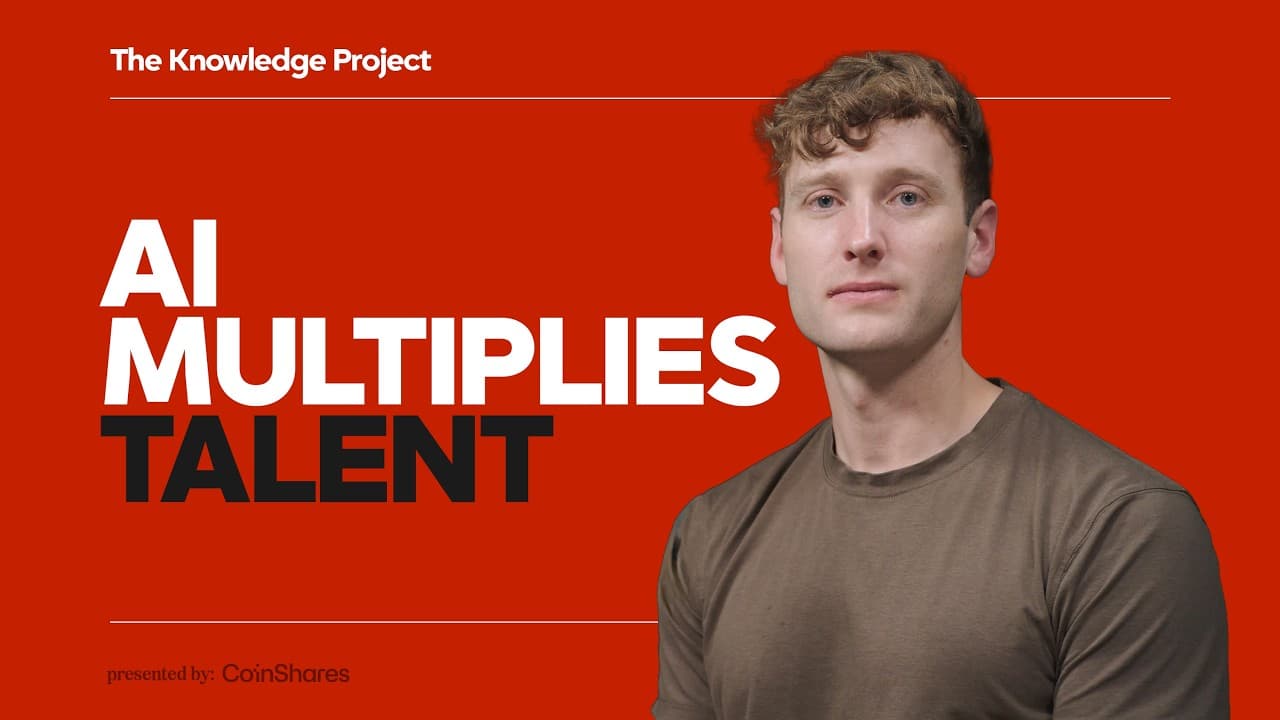
The CEO of Harvey shares his strategies for managing an $11 billion company, emphasizing prioritization, decision-making, and resilience. He discusses the importance of focusing on product development, hiring the right people, and maintaining a flexible vision. The CEO also highlights the role of AI in transforming the legal industry and the need for adaptability in a rapidly changing environment.
Transcript
The next, you know, year, two years are basically going to define the companies that are successful for the next decade probably, right? If not more. >> I want to double click on this massive 200page, 400page Google document that you have. How would you describe that to somebody and how do you use it? >> So, basic I mean I can break down the whole ... Read More
Key Insights
- Prioritization is crucial for effective leadership, requiring regular reassessment of goals and tasks.
- Building a 'machine' allows leaders to focus on resolving bottlenecks rather than day-to-day issues.
- Saying no to unnecessary meetings and tasks is essential to maintain focus on critical company goals.
- AI is transforming the legal industry by automating tasks and enabling faster decision-making.
- Hiring the right team and instilling a sense of urgency are key to maintaining momentum and achieving long-term success.
- Resilience and the ability to learn from failures are vital traits for both individuals and companies.
- Vision setting should be flexible, allowing for adaptation as circumstances change.
- Effective leaders must manage their stress and communicate it constructively to avoid causing organizational thrash.
Install to Summarize YouTube Videos and Get Transcripts
Explore YouTube Video Summarizer or Get YouTube Transcript Extractor
Questions & Answers
Q: How does the CEO prioritize tasks effectively?
The CEO uses a dynamic prioritization system, regularly reassessing tasks every few months to ensure alignment with company goals. He maintains a document listing daily tasks, ranking them based on importance, and adjusting as needed. This approach helps him focus on critical issues and improve overall performance.
Q: What role does AI play in the legal industry according to the CEO?
AI is transforming the legal industry by automating routine tasks, allowing lawyers to focus on higher-level decision-making. The CEO notes that AI can streamline processes, enhance productivity, and enable faster, more accurate legal work. However, human oversight remains crucial for complex decision-making and strategic advice.
Q: Why is saying no important for leaders?
Saying no is crucial for leaders to maintain focus on essential company objectives. The CEO explains that declining unnecessary meetings and tasks prevents distractions and allows leaders to concentrate on high-impact areas. This discipline ensures that time and resources are allocated to activities that drive company success.
Q: How does the CEO manage stress and prevent organizational thrash?
The CEO manages stress by prioritizing tasks, exercising, and maintaining a clear focus on company goals. He emphasizes the importance of effective communication to diffuse stress throughout the organization constructively. By doing so, he avoids causing thrash, which can disrupt company operations and hinder progress.
Q: What qualities does the CEO look for in hiring executives?
When hiring executives, the CEO seeks individuals who share his belief in the importance of the next few years for defining long-term success. Candidates should demonstrate resilience, adaptability, and a willingness to make mistakes and learn from them. The ability to instill urgency and align with the company's vision is also crucial.
Q: How does the CEO view the relationship between AI and human decision-making?
The CEO believes that while AI can automate many tasks, human decision-making remains essential, particularly for complex and strategic decisions. AI serves as a tool to enhance efficiency and accuracy, but the nuanced understanding and experience required for high-level decisions are inherently human traits that AI cannot replicate.
Q: What is the CEO's approach to vision setting?
The CEO emphasizes the need for flexible vision setting, allowing the company to adapt to changing circumstances. He acknowledges the challenge of balancing long-term strategic goals with immediate operational needs, striving to communicate the vision clearly to ensure alignment and focus throughout the organization.
Q: What lessons has the CEO learned about running a company?
The CEO has learned the importance of focusing on product development, ensuring the right people are in the right roles, and maintaining a flexible vision. He stresses that product is the only scalable asset, and effective people management is crucial. Vision setting must be adaptable to navigate the challenges of a rapidly evolving business landscape.
Summary & Key Takeaways
-
The CEO of Harvey emphasizes the importance of prioritization, regularly reassessing goals and tasks to maintain focus. He highlights building a 'machine' within the company to address bottlenecks rather than daily issues, enabling better performance and growth.
-
The CEO discusses the role of AI in the legal industry, noting its potential to automate tasks and improve decision-making. He stresses the importance of hiring the right team and fostering a sense of urgency to achieve long-term success.
-
Resilience and learning from failures are crucial for both individuals and companies. The CEO underscores the need for flexible vision setting and effective stress management to prevent organizational thrash and ensure sustainable growth.
Read in Other Languages (beta)
Share This Summary 📚
Summarize YouTube Videos and Get Video Transcripts with 1-Click
Try YouTube Summary with ChatGPT & Claude or YouTube Transcript Generator
Explore More Summaries from The Knowledge Project Podcast 📚




Summarize YouTube Videos and Get Video Transcripts with 1-Click
Try YouTube Summary with ChatGPT & Claude or YouTube Transcript Generator