How Does Workaholism Affect Mental Health and Happiness?
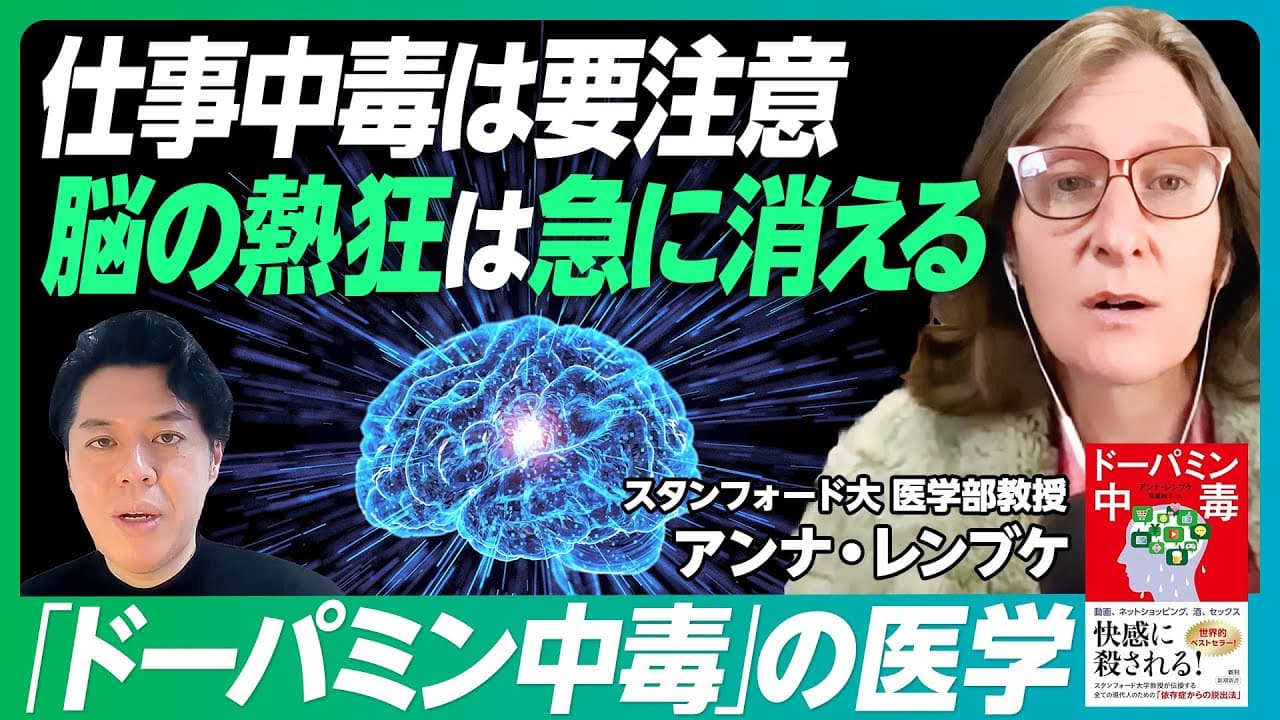
TL;DR
Workaholism leads to mental health issues as the brain adapts to excessive dopamine stimulation, causing a loss of joy despite external accolades. Digital addiction can exacerbate this situation, contributing to a crisis of depression and anxiety in developed countries. To mitigate these effects, a 30-day dopamine fast is suggested to help reset reward pathways and restore balance in life.
Transcript
I guess we could talk a little bit about workaholism here in Silicon Valley we're seeing more and more people who are you know addicted to work right and they get all these external accolades but at some point they they lose their joy in that right because are the brain adapts no matter what your source of dopamine if you overdo it then it'll event... Read More
Key Insights
- Workaholism is prevalent in Silicon Valley, leading to joyless success due to dopamine adaptation.
- Digital devices can act as potent drugs, releasing dopamine similarly to substances like alcohol.
- Overexposure to digital media can lead to a dopamine deficit, causing depression and anxiety.
- The mental health crisis in developed countries is linked to the abundance of digital consumption.
- A 30-day dopamine fast can help reset reward pathways and reduce dependency on problematic behaviors.
- Addiction is characterized by compulsive behavior despite harm, often unnoticed by the individual.
- Cultural reinforcement of workaholism can mask the personal and relational costs of excessive work.
- Finding balance between work and personal life is crucial for long-term well-being and satisfaction.
Install to Summarize YouTube Videos and Get Transcripts
Explore YouTube Video Summarizer or Get YouTube Transcript Extractor
Questions & Answers
Q: What is the impact of workaholism in Silicon Valley?
Workaholism in Silicon Valley is characterized by individuals who become addicted to work, receiving external accolades but losing joy due to dopamine adaptation. This compulsive loop leads to a lack of satisfaction and potential mental health issues, highlighting the need for balance in work and personal life.
Q: How do digital devices act as drugs?
Digital devices release dopamine in the brain similarly to drugs and alcohol. Overexposure to digital media can lead to neuro adaptation, resulting in a dopamine deficit and worsening symptoms of depression and anxiety. This highlights the importance of mindful technology consumption to maintain mental health.
Q: What is the current mental health situation in developed countries?
Developed countries like the US, Japan, and Europe are experiencing a severe mental health crisis, with rising rates of depression, anxiety, and suicide. This is linked to the overabundance of digital consumption and the stress of abundance, highlighting the need for a balanced relationship with technology.
Q: What is a 30-day dopamine fast?
A 30-day dopamine fast involves giving up a problematic substance or behavior to reset reward pathways. This process helps individuals overcome dependency and experience improved well-being. It is recommended for those struggling with digital or substance addiction, but not for life-threatening dependencies.
Q: How is addiction characterized?
Addiction is characterized by the compulsive use of a substance or behavior despite harm to oneself or others. It often goes unnoticed by the individual, especially in cultures that reinforce certain behaviors, such as workaholism, masking the personal and relational costs involved.
Q: What role does culture play in workaholism?
Culture often reinforces workaholism by idolizing individuals who prioritize work above all else. This cultural reinforcement can mask the personal and relational costs of excessive work, leading to unidimensional lives and potential mental health issues, emphasizing the need for balance.
Q: Why is balancing work and personal life important?
Balancing work and personal life is crucial to avoid the negative effects of workaholism and digital addiction. Excessive focus on work can lead to a loss of joy and satisfaction, while a balanced life offers more intangible rewards through relationships and personal fulfillment.
Q: What advice is given for maintaining a healthy work-life balance?
To maintain a healthy work-life balance, individuals should recognize the opportunity costs of excessive work, find intangible rewards through relationships and personal fulfillment, and avoid chasing dopamine through work. Pursuing excellence is encouraged, but balance is essential for long-term well-being.
Summary & Key Takeaways
-
Workaholism and digital addiction are increasingly common, leading to a loss of joy and mental health issues due to dopamine adaptation. The speaker emphasizes the importance of balancing work and personal life to avoid these negative effects.
-
Digital devices, while beneficial, can act like drugs, releasing dopamine and causing addiction. Overexposure can lead to a dopamine deficit, resulting in depression and anxiety, especially in developed countries facing a mental health crisis.
-
A 30-day dopamine fast is recommended to reset reward pathways and reduce dependency on problematic behaviors. Addiction is often unnoticed by individuals, and cultural reinforcement of workaholism can mask its personal and relational costs.
Read in Other Languages (beta)
Share This Summary 📚
Summarize YouTube Videos and Get Video Transcripts with 1-Click
Try YouTube Summary with ChatGPT & Claude or YouTube Transcript Generator
Explore More Summaries from PIVOT 公式チャンネル 📚






Summarize YouTube Videos and Get Video Transcripts with 1-Click
Try YouTube Summary with ChatGPT & Claude or YouTube Transcript Generator