How to Clone Your Voice and Avatar With AI
TL;DR
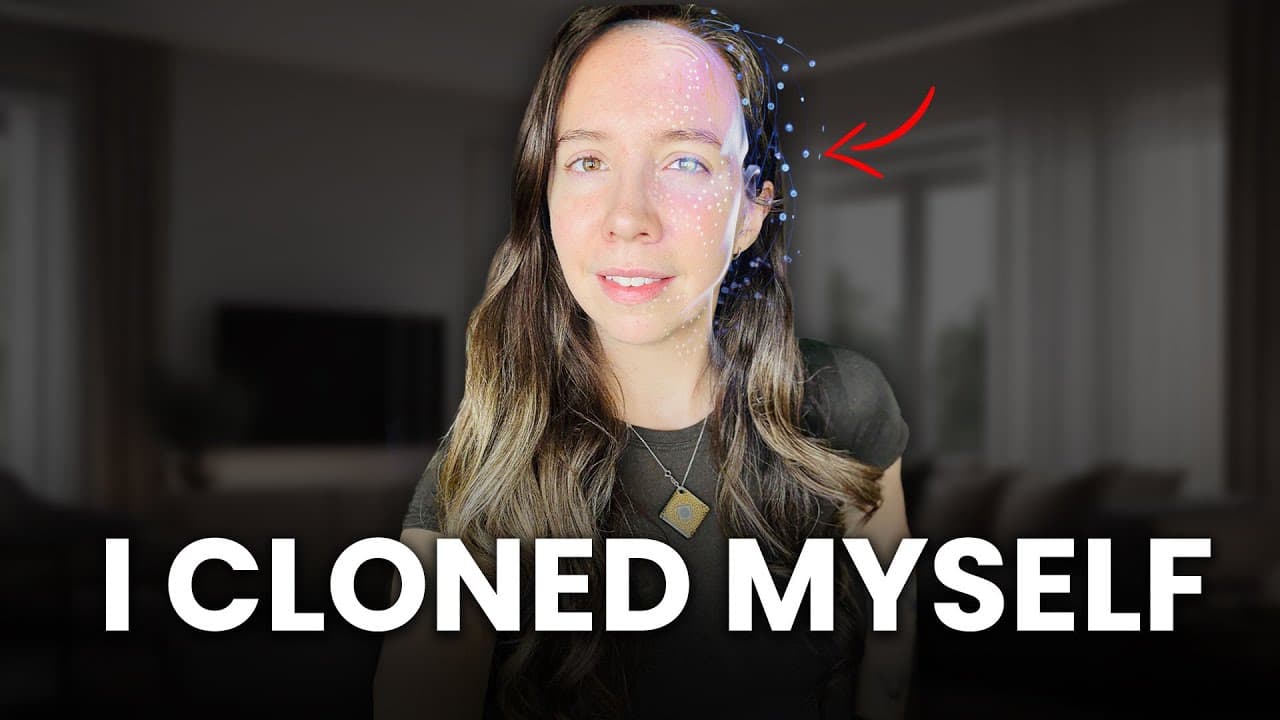
Create a digital clone by combining a cloned voice, a realistic avatar, and human-reviewed writing so it can deliver content without replacing your judgment or personal connection. The creator used this setup to maintain YouTube reporting during a six-month health crisis, reducing her own work to about 30 minutes a day while preserving a human role in the process.
Transcript
Hey folks, real Julia here. This is going to be a very different video. This is a very practical tutorial where I'm going to share with you all of the details of how I've created this clone that you see on YouTube all the time. So, a little backstory. Most of you already know this, but in January, I experienced a very, very dramatic health crash. U... Read More
Key Insights
- A digital clone is a combination of voice cloning, avatar creation, delivery training, and supporting automations. The described system lets a creator prepare content without personally recording every presentation, while a human remains involved in writing, review, and decisions about how the clone is used.
- The creator's clone kept her YouTube business operating during a six-month health crisis. Because she could not reliably sit and speak on camera, the avatar delivered recurring content while she rested and restricted her own work to approximately 30 minutes per day.
- Human oversight is part of the creator's cloning process. She emphasizes that a warm human contribution is still required to connect with an audience, so automation supports production rather than removing the person responsible for the message and relationship.
- The creator retained writing as her main personal responsibility because she enjoys distilling information. Her clone took over recurring news recording and reporting, showing how automation can target repetitive delivery while leaving research, interpretation, and editorial direction with the creator.
- Direct human interaction remains valuable even when a clone could potentially handle more tasks. The creator expects to continue participating personally in calls and livestreams because she enjoys human connection, rather than assigning every audience interaction to an automated representation.
- Digital cloning can preserve communication when illness or limited energy makes filming impractical. In the creator's case, the system maintained contact with subscribers during months when speaking in her office caused severe discomfort and ordinary daily activities required careful energy rationing.
- The tutorial frames cloning as the first step in a broader AI-supported marketing workflow. The description identifies potential applications including personalized content, multilingual delivery, distribution across multiple platforms, and continuous availability, although the supplied transcript does not name the specific software used.
- The creator's experience links automation with freedom from repetitive work rather than freedom from all participation. By delegating reporting to the clone, she created space for recovery, rest, writing, and future live appearances while keeping responsibility for the underlying content and audience relationship.
Install to Summarize YouTube Videos and Get Transcripts
Explore YouTube Video Summarizer or Get YouTube Transcript Extractor
Questions & Answers
Q: How can creators clone their voice and avatar with AI?
The process described combines a cloned voice with a digital avatar, then trains the resulting presentation to sound natural and authentic. Supporting automations can help deliver written material across platforms without requiring a fresh recording each time. The creator still keeps a human in the loop for writing, editorial judgment, review, and decisions about which interactions should remain personal.
Q: Why did the creator build and use an AI clone?
The clone became essential when a serious health crisis made normal filming physically difficult. During several months of recovery, the creator had to ration energy for basic activities and could not consistently sit in her office to speak. Her voice clone, avatar, and automations kept recurring YouTube communication running while allowing her to work for only about 30 minutes each day.
Q: Can an AI avatar replace every part of a creator's work?
The creator does not present the avatar as a replacement for every responsibility. She continues writing and distilling information because those are the parts of the work she values most. She also plans to remain personally involved in calls and livestreams because direct human connection matters to her, while the clone handles repetitive reporting and recorded delivery.
Q: How does a digital clone save time for content creators?
A digital clone can deliver prepared material without requiring the creator to sit down and record each recurring presentation. In the example provided, the clone handled news recording and reporting while the creator concentrated on writing. During her recovery, that division of labor helped reduce her own work to roughly 30 minutes per day and kept communication with subscribers active.
Q: What tasks should remain under human control when using an AI clone?
Writing, factual review, editorial direction, and choices about audience interaction should remain connected to a responsible person in the workflow described. The creator emphasizes a continuing warm human touch because the audience consists of people, not robots. She uses automation for repeated delivery while reserving personal participation for writing, calls, livestreams, and other forms of direct connection.
Q: Can a cloned avatar create content in multiple languages?
The description identifies multilingual delivery as a possible application for cloned content, alongside distribution across multiple platforms and continuous availability. It suggests that a creator could record or prepare source material once and use the clone for broader delivery. However, the supplied material does not provide a specific multilingual workflow, name a translation tool, or demonstrate its results.
Q: What are practical business uses for an AI voice and avatar?
The material highlights recurring content delivery, news reporting, personalized material, multilingual presentations, and publishing across multiple platforms. A clone may also have the potential to take calls as software improves, although the creator prefers to keep calls and livestreams personal. Her central use case is automating repetitive recorded delivery while preserving human writing and audience relationships.
Q: What limitations should creators consider before using an AI avatar?
A clone still requires human involvement if the goal is authentic communication. The creator stresses that audiences need warmth and connection, so she does not remove herself from writing, calls, or livestreams. The supplied transcript also does not identify the exact software, settings, costs, or technical steps, which means those implementation details cannot be established from the provided material alone.
Summary & Key Takeaways
-
A severe health crisis left the creator unable to film normally, rationing limited energy among basic activities such as cooking, showering, and brushing her hair. Her existing voice clone, avatar, and automations allowed her YouTube operation to continue while she rested and limited her personal workload to roughly 30 minutes each day.
-
The cloning workflow combines voice replication, avatar creation, natural delivery training, and supporting automations. The creator presents it as an accessible first step for content creators and businesses that want to distribute material across languages and platforms without repeatedly recording every presentation, while retaining human oversight throughout production.
-
The creator did not automate every responsibility. She continued writing because researching and distilling information were her preferred contributions, while the clone handled recurring news delivery and reporting. She also intended to preserve calls, livestreams, and other settings where direct human connection remained personally valuable and important to the audience experience.
Read in Other Languages (beta)
Share This Summary 📚
Summarize YouTube Videos and Get Video Transcripts with 1-Click
Try YouTube Summary with ChatGPT & Claude or YouTube Transcript Generator
Explore More Summaries from Julia McCoy 📚
Summarize YouTube Videos and Get Video Transcripts with 1-Click
Try YouTube Summary with ChatGPT & Claude or YouTube Transcript Generator