How Does Neglecting Your Needs Affect Health?
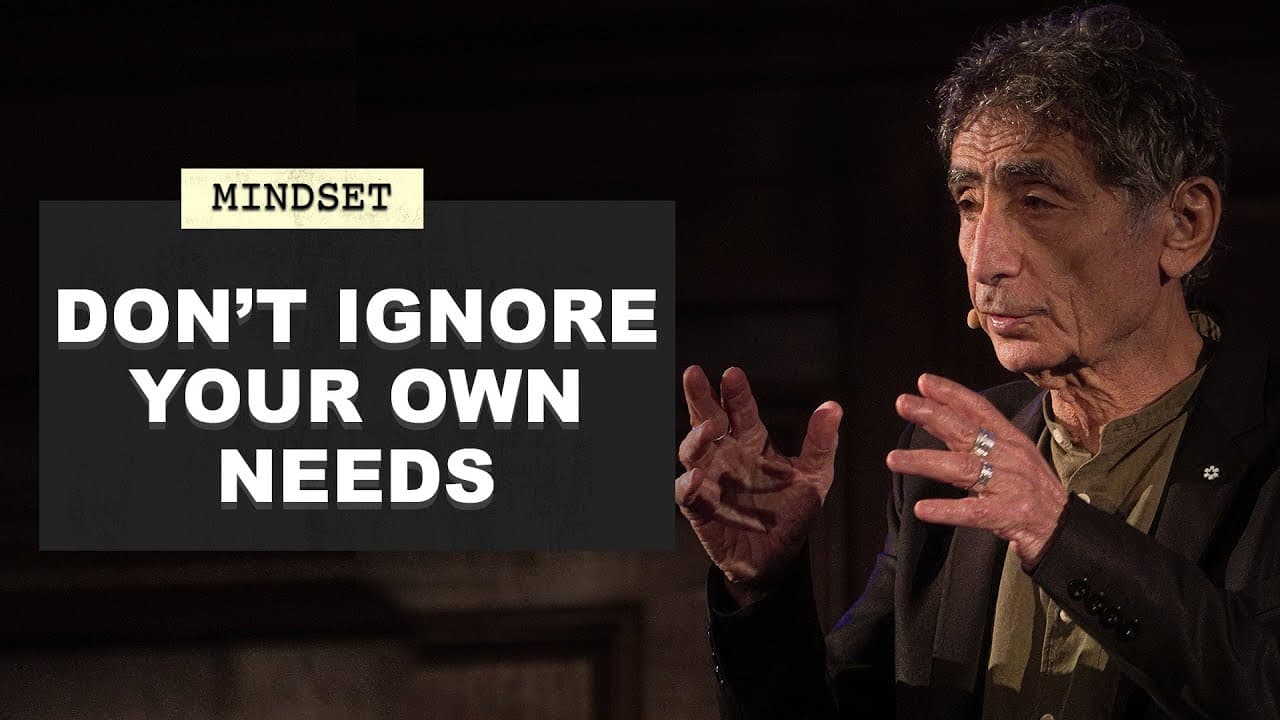
TL;DR
Neglecting personal needs and emotional suppression can lead to heightened stress and serious health issues like cancer and autoimmune diseases. The connection between mind and body is crucial, as emotional health directly impacts physical well-being. Women, often conditioned to prioritise others' needs, are particularly susceptible to these health challenges.
Transcript
foreign it's worth saying though isn't it that when someone that it's possible to be a very good and loving person yeah um when you're not even being authentic to yourself I'm thinking of there was a someone who's you quote in the book I think a patient or someone that you knew their family referred to them as they were lovely they were wonderful t... Read More
Key Insights
- 💉 Chronic emotional suppression and neglect of personal needs can lead to increased stress levels and negatively impact health.
- 🤯 The mind and body are interconnected, with emotions and the immune system both serving as boundary defenses.
- 🪡 Women, who often prioritize others' needs over their own, are more prone to autoimmune diseases.
- 🧑🏭 Disease is not simply an external invasion, but a complex process influenced by various internal factors.
Install to Summarize YouTube Videos and Get Transcripts
Explore YouTube Video Summarizer or Get YouTube Transcript Extractor
Questions & Answers
Q: How does chronic emotional suppression and neglecting one's own needs affect one's health?
Chronic emotional suppression and neglecting one's own needs can result in increased stress, impacting the immune system and leading to various health issues, including autoimmune diseases.
Q: Why are women more prone to autoimmune diseases?
Women, who often prioritize taking care of others and suppressing their own needs, are more susceptible to autoimmune diseases due to the societal expectations and gender roles imposed on them.
Q: Can changing one's emotional relationship to oneself impact physical health?
Yes, changing one's emotional relationship to oneself can have a significant impact on physical health. By addressing emotional trauma and prioritizing self-care, individuals can improve their physiological responses and potentially alleviate symptoms of diseases.
Q: Is disease an external invasion or a manifestation of internal factors?
Disease is not necessarily an external invasion, but rather a process that reflects various internal factors, such as one's upbringing, beliefs, and relationships. By understanding this, individuals can take responsibility for their health and potentially influence the disease process.
Key Insights:
- Chronic emotional suppression and neglect of personal needs can lead to increased stress levels and negatively impact health.
- The mind and body are interconnected, with emotions and the immune system both serving as boundary defenses.
- Women, who often prioritize others' needs over their own, are more prone to autoimmune diseases.
- Disease is not simply an external invasion, but a complex process influenced by various internal factors.
- Changing one's emotional relationship to oneself can have a significant impact on physical health and potentially alleviate symptoms of diseases.
Summary & Key Takeaways
-
Emotional suppression and neglecting one's own needs can have a detrimental impact on one's health, leading to diseases such as cancer and autoimmune conditions.
-
The mind and body are interconnected, with emotions and the immune system both serving as boundary defenses to protect the individual.
-
Women, who often prioritize others' needs over their own, are more prone to autoimmune diseases.
Read in Other Languages (beta)
Share This Summary 📚
Summarize YouTube Videos and Get Video Transcripts with 1-Click
Try YouTube Summary with ChatGPT & Claude or YouTube Transcript Generator
Explore More Summaries from How To Academy Mindset 📚




Summarize YouTube Videos and Get Video Transcripts with 1-Click
Try YouTube Summary with ChatGPT & Claude or YouTube Transcript Generator