What Causes Mood Swings and How Can We Manage Them?
TL;DR
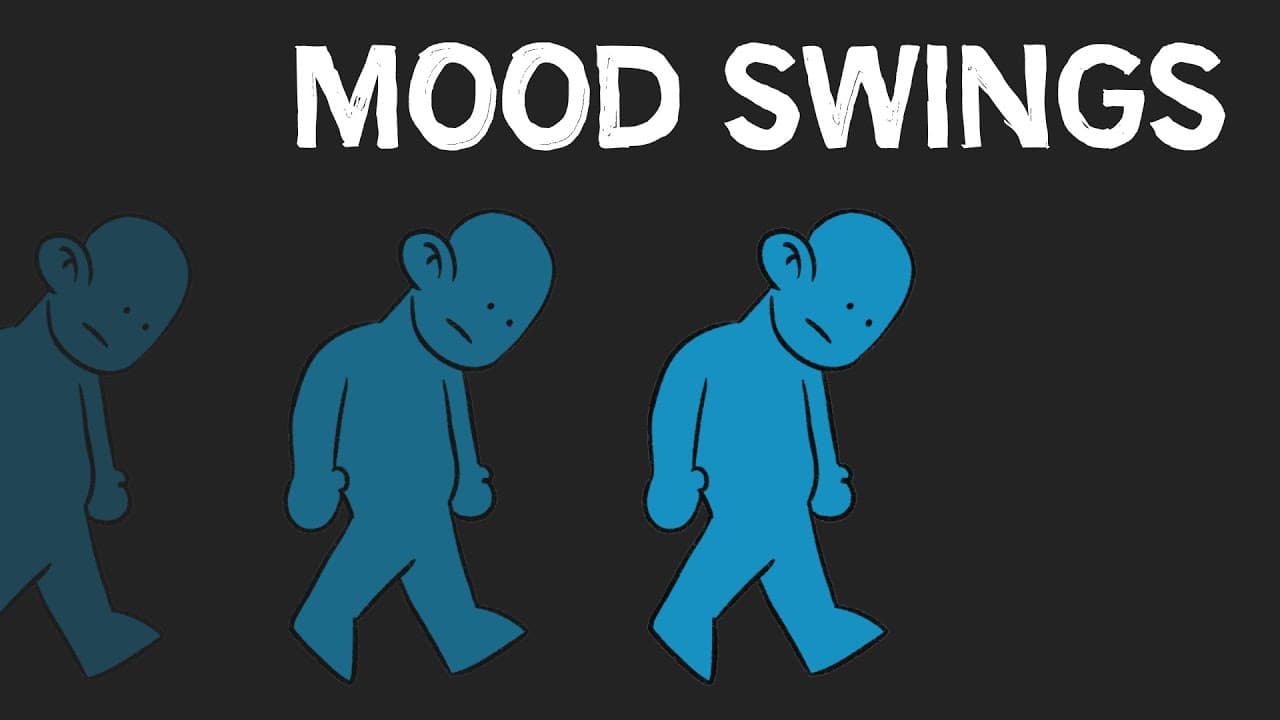
Mood swings arise from a mix of external triggers, internal factors like biology and mental health, and our attitudes toward circumstances. Stoicism, Buddhism, and Epicureanism suggest that managing desires and attachments can help achieve emotional stability. Acceptance of mood fluctuations and focusing on simple pleasures are also effective strategies for reducing the impact of mood swings.
Transcript
Wise people of the past have emphasized the impermanence of things. Consider Marcus Aurelius, repeatedly contemplating the transience of everything and how we all eventually fall away in the face of death. Or how Lao Tzu mentioned that a violent wind doesn’t last for the whole morning, and rain could last long but not forever. We just have to look ... Read More
Key Insights
- 🧑⚕️ Mood swings are complex emotional fluctuations influenced by external events, internal factors such as genetics and mental health, and philosophical perspectives.
- ❓ Stoics believe that mood swings arise from desire and aversion towards external circumstances.
- 🤯 Buddhists emphasize the impermanence of attachments leading to mood swings and offer practices to cultivate a peaceful mind.
- 🖐️ Internal factors such as genetics and mental health can play a significant role in mood swings, impacting how individuals respond to external events.
- 💭 Philosophy offers tools to manage mood swings through controlling desires, thoughts, and focusing on present moments.
- ❓ Different philosophical perspectives such as Stoicism, Buddhism, and Epicureanism provide insights on understanding and managing mood swings effectively.
- 😪 Biological factors like genetics, mental disorders, and sleep patterns can contribute to mood swings, influencing emotional states in various ways.
Install to Summarize YouTube Videos and Get Transcripts
Explore YouTube Video Summarizer or Get YouTube Transcript Extractor
Questions & Answers
Q: What are mood swings, and why do they occur?
Mood swings are rapid changes in emotional states that can severely impact daily life. They can be triggered by external events, internal factors like genetics, mental health, and influenced by philosophical perspectives on desire and attachment.
Q: How do Stoics and Buddhists view mood swings?
Stoics believe that mood swings are a result of desire and aversion towards circumstances, leading to fluctuating moods. Buddhists see mood swings as attachments to transient external things causing suffering and emphasize the impermanence of emotions.
Q: What role do biological factors play in mood swings?
Biological factors such as genetics, mental health disorders, and sleep patterns can contribute to mood swings. Internal factors like genetics can influence how we respond to external events and affect our moods in complex ways.
Q: How can philosophical perspectives help manage mood swings?
Philosophical perspectives from Stoicism, Buddhism, and Epicureanism offer tools to manage mood swings by focusing on controlling desires, thoughts, and embracing present moments. By understanding external factors, internal influences, and philosophical insights, individuals can better manage their mood swings.
Summary & Key Takeaways
-
Mood swings, emotional fluctuations that can impact quality of life, are examined through the lens of philosophy.
-
External events, internal factors such as genetics and mental health, and philosophical perspectives all play a role in mood swings.
-
Philosophical views from Stoicism, Buddhism, Epicureanism offer insights on managing mood swings through controlling desires, thoughts, and focusing on the present.
Read in Other Languages (beta)
Share This Summary 📚
Summarize YouTube Videos and Get Video Transcripts with 1-Click
Try YouTube Summary with ChatGPT & Claude or YouTube Transcript Generator
Explore More Summaries from Einzelgänger 📚



Summarize YouTube Videos and Get Video Transcripts with 1-Click
Try YouTube Summary with ChatGPT & Claude or YouTube Transcript Generator