Why Young Americans Embrace the Treat Economy
TL;DR
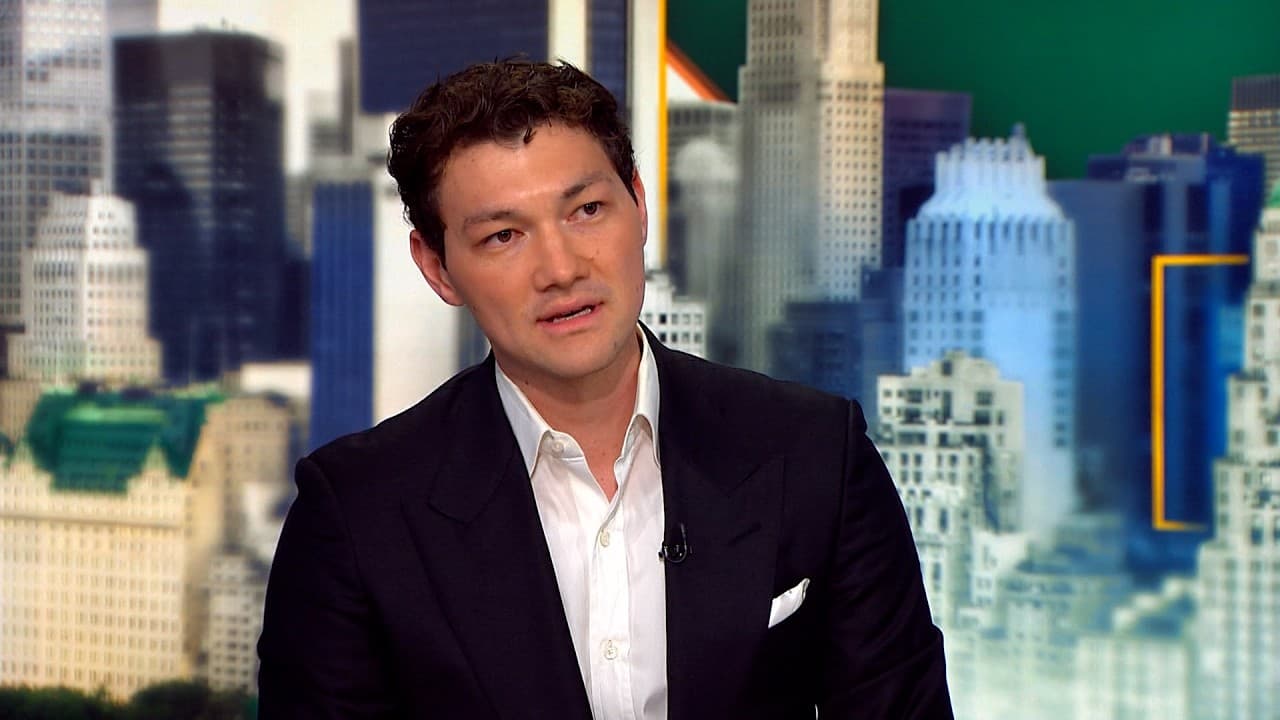
Young Americans increasingly buy smaller treats because homeownership and other major purchases feel out of reach, while many turn to stocks as an alternative route to wealth. Kevin Gordon says long-term investing in traditional stocks and bonds has stronger empirical support than gambling, but younger investors may blur those activities and often show limited interest in bonds.
Transcript
Kevin Gordon. He's had a macro research and strategy at Charles Schwab. And you know, I look at this and as far as I can see with personal finance and distant retirement, the younger crew, which you're arguably the voice on Wall Street, the younger crew takes us a lot more seriously than I did when I was 30 at the Wobbly Barn way up in Vermont. Yes... Read More
Key Insights
- The treat economy is a response to major financial goals feeling inaccessible. Younger Americans are increasingly spending on smaller rewards because housing and other large purchases appear out of reach, reducing the perceived relevance of saving for a substantial down payment.
- Homeownership is losing some of its traditional status as the primary wealth generator among Gen Z. Many younger people have consequently shifted their attention toward the stock market, changing how they approach saving, risk, income generation, and long-term wealth accumulation.
- Investing and gambling have become increasingly blurred in the minds of some younger participants. Gordon traces much of this shift to the 2021 meme-stock craze, when speculative trading was widely treated as a new path to wealth despite its considerable risks.
- Long-term investing is statistically and empirically more effective for building wealth than gambling. Gordon says the average person loses money through gambling, while established asset classes such as stocks and bonds have demonstrated their value over extended periods.
- Bond investing remains unfamiliar to many millennials and younger investors. Gordon describes the bond market as an enigma or black box for this audience, although rising public interest and attention to coupons and yields suggest that bonds are entering more mainstream financial conversations.
- Market breadth is improving as performance rotates beyond the largest companies. More than 70% of S&P 500 companies are trading above their 200-day moving averages, a condition Gordon associates with rotational markets where leadership can change without signaling a massive decline.
- The largest companies are not automatically the market's best performers. Gordon says the biggest stocks led several years ago but have recently ceded some leadership to other areas, including small caps and segments that had remained dormant through much of the bull market.
- Financial independence and multiple income streams are prominent aspirations among younger Americans. Gordon frequently hears about aggressive saving, early retirement, supplemental income, and content creation, reflecting a changing view of labor that is less dependent on one job and one income source.
- More videos from this channel:
- More from this channel: Bloomberg Television
Install to Summarize YouTube Videos and Get Transcripts
Explore YouTube Video Summarizer or Get YouTube Transcript Extractor
Questions & Answers
Q: Why are young Americans participating in the treat economy?
Young Americans are increasingly buying smaller treats because major financial milestones, especially housing, feel frozen or out of reach for a large group. Instead of organizing all spending around a distant down payment or major purchase, some choose attainable rewards now. Gordon does not characterize this behavior as universally good or bad, but as a different response to the current environment.
Q: How has unaffordable housing changed wealth building for Gen Z?
Unaffordable housing has weakened confidence in the traditional idea that a home should be the central engine of household wealth. Gordon says many Gen Z investors have shifted toward the stock market as a result. That change affects their attitudes toward saving, risk, and income generation because financial assets increasingly substitute for a house in their plans for building wealth over time.
Q: What is the difference between investing and gambling?
Investing uses established asset classes such as stocks and bonds to pursue wealth over an extended period, while gambling generally produces losses for the average participant. Gordon says the distinction has become less clear in popular thinking since the 2021 meme-stock craze. Speculative products and phone-based access can encourage people to treat risky bets as though they were conventional long-term investments.
Q: Are stocks and bonds safer choices than gambling?
Gordon argues that traditional stocks and bonds are tried, tested asset classes that have demonstrated their worth over time. He contrasts their long-term wealth-building record with gambling statistics, which show losses for the average person. He does not claim that market assets lack risk, but he presents disciplined investing as empirically preferable to treating gambling or highly speculative activity as an investment strategy.
Q: Why are younger investors less interested in bonds?
Younger investors often see the bond market as an enigma or black box because its mechanics and mathematics are less familiar than those of stocks. Gordon says interest among millennials is not yet strong, even though conversations about coupons, yields, and bond issuance are becoming more mainstream. Schwab's guidance favors the bond backdrop below the long end rather than concentrating on the ten-year area.
Q: What does improving stock market breadth mean for investors?
Improving breadth means gains are spreading across more companies instead of depending primarily on a small group of market leaders. Gordon notes that more than 70% of S&P 500 companies are trading above their 200-day moving averages. He associates that pattern with a rotational market in which leadership can move among sectors and company sizes without necessarily forecasting a major market decline.
Q: Why are the largest companies not always the best performers?
Company size and investment performance are not the same thing. Gordon says investors often assume the largest companies must also deliver the strongest returns, which was true several years ago but has not consistently held recently. Market leadership has started shifting toward other areas, including small caps and groups that were relatively inactive during a substantial portion of the bull market.
Q: How does the FIRE movement appeal to younger workers?
The FIRE movement appeals to younger workers who want financial independence and the option to retire early by investing aggressively and limiting present consumption. Gordon says the subject arises frequently in conversations with individuals, clients, and families. It also connects with changing attitudes toward labor, including the desire for supplemental income, multiple revenue streams, and possible work as a content creator.
Summary & Key Takeaways
-
The treat economy reflects a shift in how younger Americans spend and build wealth. With housing frozen or out of reach for many, smaller discretionary purchases can feel more attainable than saving for a down payment. At the same time, more money is flowing into stocks as an alternative wealth-building vehicle.
-
Investing and gambling have increasingly blurred since the 2021 meme-stock craze. Gordon says gambling statistics show that the average participant loses money, while long-term investing has proved a better method for building wealth. Traditional stocks and bonds remain tested asset classes, although bonds still seem unfamiliar to many younger investors.
-
The market is becoming broader as leadership rotates beyond the largest technology companies. More than 70% of S&P 500 companies are above their 200-day moving averages, while small caps and previously dormant areas are participating. Gordon views this as healthier than late 2021, when narrowing breadth preceded the 2022 bear market.
Read in Other Languages (beta)
Share This Summary 📚
Summarize YouTube Videos and Get Video Transcripts with 1-Click
Try YouTube Summary with ChatGPT & Claude or YouTube Transcript Generator
Explore More Summaries from Bloomberg Television 📚




Summarize YouTube Videos and Get Video Transcripts with 1-Click
Try YouTube Summary with ChatGPT & Claude or YouTube Transcript Generator