Lewis Howes: What Is the Secret Formula for Sustainable Success?
TL;DR
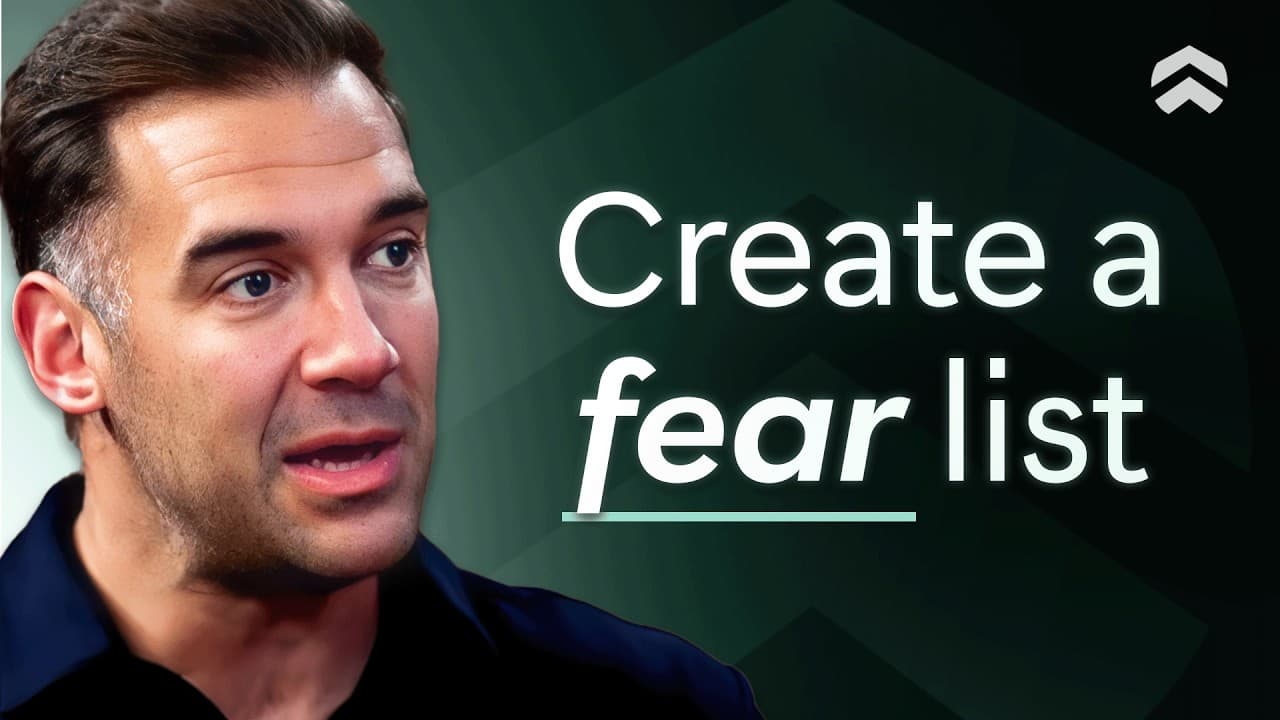
Sustainable high performance means optimizing your body, mind, spirit, health, relationships, and purpose without neglecting essential parts of life. Lewis Howes recommends pursuing alignment rather than perfect balance, treating failure as feedback, and using your talents in service of others. His mission to serve 100 million lives every week illustrates the value of a measurable purpose. Read on for practical ways to assess and improve your own alignment.
Transcript
it doesn't matter if everyone believes in you if you don't learn to believe in yourself you're never going to actualize your high performance abilities or your greatness I was taught early on through coaches failure is just feedback it's just information telling you what you still need to work on this episode is supported by hu welcome to the show ... Read More
Key Insights
- High performance is optimal functioning across body, mind, spirit, purpose, health, and relationships. Excellence in one field does not necessarily represent high performance when other essential areas are being severely neglected or damaged.
- Alignment is more practical than perfect balance because different seasons of life require different commitments. It involves matching your purpose, relationships, career, and available capacity while communicating clearly about what you can and cannot give.
- Greatness is achievement expressed through service to others. Unlike success pursued only for personal gain, it uses talents, gifts, energy, and purpose to help people while maintaining connection with those at different stages of life.
- A meaningful mission requires a deeper reason beneath the stated goal. Asking why a goal matters distinguishes a service-oriented purpose from a pursuit driven mainly by vanity, recognition, winning, or the desire to prove other people wrong.
- Anger and resentment can drive substantial accomplishment, but they do not create peace, harmony, or lasting alignment. Lewis Howes describes love, gratitude, generosity, appreciation, and collaboration as more renewable sources of sustained effort.
- Assessment is the starting point for improving alignment. Rating relationships, career, health, and finances on a 1–10 scale helps reveal the weakest area, clarify why it declined, and identify actions that could improve it.
- Feedback is information about what still needs improvement. The belief that failure is feedback turns setbacks into useful evidence, allowing a person to adjust skills, behaviors, measurements, or priorities instead of treating failure as a final identity.
- Self-belief is necessary for actualizing high-performance abilities. Support from other people cannot replace an internal belief that growth is possible, while desire and belief can influence whether a person applies existing ability toward a meaningful vision.
Install to Summarize YouTube Videos and Get Transcripts
Explore YouTube Video Summarizer or Get YouTube Transcript Extractor
Questions & Answers
Q: What is sustainable high performance according to Lewis Howes?
Sustainable high performance means operating optimally across your body, mind, spirit, health, relationships, and purpose while moving toward a meaningful vision. Excelling in a career, business, talent, or sport is not enough if other important areas of life are severely neglected.
Q: Why is alignment more useful than balance for high performance?
Lewis Howes says high performance is not about maintaining perfect balance across every area of life. It is about aligning your purpose, relationships, career, and commitments with your current season of life while clearly communicating what you can and cannot give.
Q: What is the difference between success and greatness?
Howes describes success as pursuing something primarily for yourself, such as winning, looking good, being right, or gaining recognition. Greatness applies your talents, gifts, energy, and purpose in service of others, making achievement more sustainable and less isolating.
Q: How does serving others make greatness more sustainable?
Service gives achievement a purpose beyond personal gain and allows you to bring other people with you rather than leaving them behind. Howes says greatness can become renewable energy because it connects your abilities with people at every level, including those at life's peaks and those struggling in its valleys.
Q: How can someone assess and improve alignment in life?
Rate important areas such as relationships, career, health, and finances on a 1–10 scale. Identify the lowest-scoring area, examine why it declined, and choose specific actions that could move it toward an eight, nine, or ten.
Q: Why should a goal have a deeper reason behind it?
A stated goal such as making a million dollars, winning a championship, or reaching the top of a career does not explain why the achievement matters. Asking why reveals whether the mission connects to meaningful service; Howes defines his own purpose as serving 100 million lives every week to improve their quality of life.
Q: How should failure be interpreted when pursuing high performance?
Failure should be treated as feedback rather than a final judgment about your ability. Howes says his coaches taught him that failure is information showing what still needs work, which allows you to adjust and keep improving.
Q: Why is self-belief necessary for high performance?
Other people's confidence in you cannot substitute for believing in yourself. Howes says that without self-belief, you will not actualize your high-performance abilities or your greatness, even when everyone else supports you.
Summary & Key Takeaways
-
High performance means operating optimally across body, mind, spirit, purpose, health, and relationships without neglecting important parts of life. The goal is not perfect balance across every area. It is alignment with the current season, honest communication about what you can offer, and clarity about the purpose guiding your work.
-
Success pursued mainly for personal validation can become isolating and exhausting. Greatness is more sustainable because it places individual talents, gifts, energy, and purpose in service of others. Bringing people with you and remaining connected to people experiencing both peaks and valleys makes achievement more meaningful, relatable, and renewable.
-
Improvement begins with assessing major areas of life on a 1–10 scale, including relationships, career, health, and finances. The lowest score reveals where attention may be needed. Continued measurement, feedback, and specific actions make progress visible, while desire and self-belief help people actualize their abilities and pursue a meaningful mission.
Read in Other Languages (beta)
Share This Summary 📚
Summarize YouTube Videos and Get Video Transcripts with 1-Click
Try YouTube Summary with ChatGPT & Claude or YouTube Transcript Generator
Explore More Summaries from High Performance 📚


Summarize YouTube Videos and Get Video Transcripts with 1-Click
Try YouTube Summary with ChatGPT & Claude or YouTube Transcript Generator