What Led to the Israel-Palestine Conflict?
TL;DR
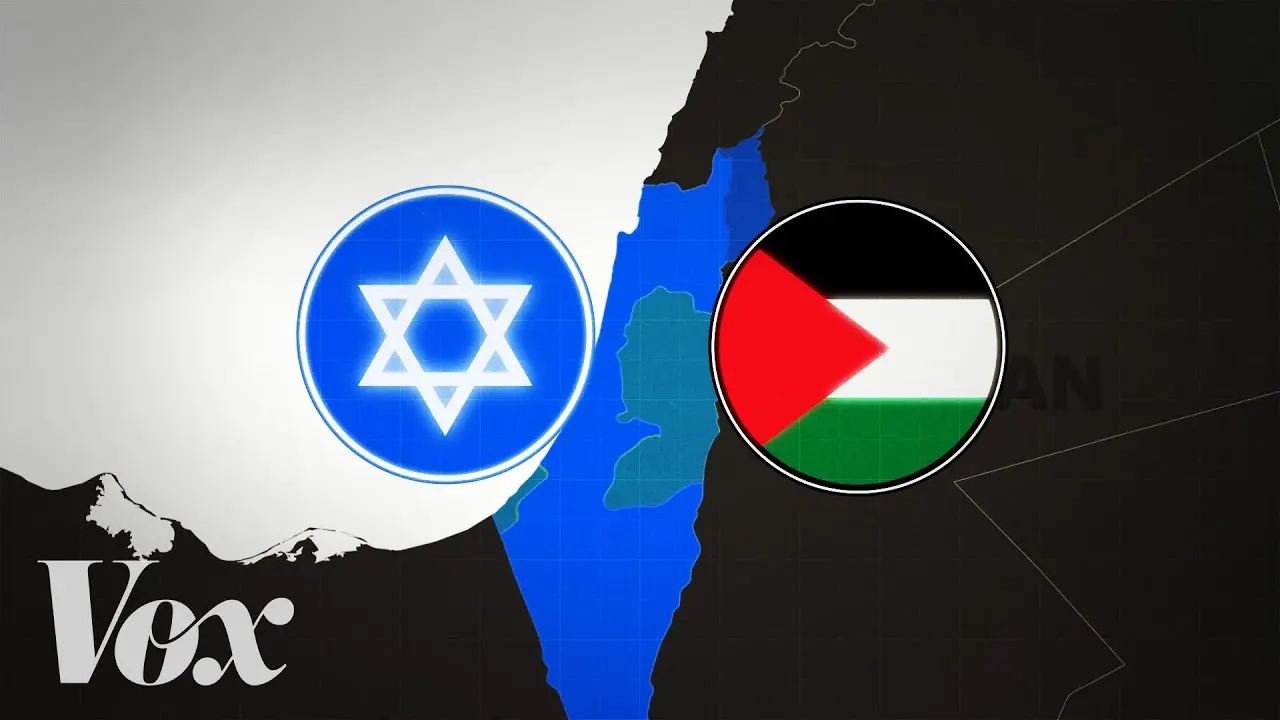
The Israel-Palestine conflict began in the early 1900s, rooted in competing claims to the same land rather than longstanding religious animosities. It escalated with the rise of Palestinian identity and Jewish immigration spurred by Zionism, compounded by British colonial policies and the eventual establishment of Israel, which intensified territorial disputes and ongoing violence.
Transcript
One of the biggest myths about the Israel-Palestine conflict is that it's been going on for centuries, that this is all about ancient religious hatreds. In fact, while religion is involved, the conflict is mostly about two groups of people who claim the same land. And it really only goes back about a century, to the early 1900s. Around then, the re... Read More
Key Insights
- 🏝️ The Israel-Palestine conflict is primarily about competing claims to the same land, rather than ancient religious hatreds.
- 🌍 The conflict emerged in the early 1900s due to the development of Palestinian national identity and Jewish immigration driven by the Zionist movement.
- 🎮 British control, limited Jewish immigration, and tensions between Jews and Arabs contributed to the escalation of the conflict.
- 🇮🇱 The establishment of Israel, the occupation of Palestinian territories, and the settlement movement further exacerbated the conflict.
- 🥺 The Intifadas led to a shift in Israeli politics, increased skepticism about peace, and a sense of hopelessness among Palestinians.
Install to Summarize YouTube Videos and Get Transcripts
Explore YouTube Video Summarizer or Get YouTube Transcript Extractor
Questions & Answers
Q: What were the main factors that contributed to the Israel-Palestine conflict?
The Israel-Palestine conflict was primarily driven by the competing claims to the same land, with the emergence of Palestinian national identity and Jewish immigration motivated by the Zionist movement being key factors. Moreover, the historical context of British control, limited Jewish immigration, and tensions between Jews and Arabs played a significant role.
Q: Why did the United Nations propose dividing British Palestine into two separate states?
The United Nations proposed dividing British Palestine into separate Jewish and Arab states in 1947 to address the rising sectarian violence and establish Palestinian independence. This plan aimed to give Jews a state while recognizing the rights of Arabs, but it was seen as European colonialism by many Arab states.
Q: What was the impact of the Intifadas on the Israel-Palestine conflict?
The Intifadas, particularly the Second Intifada, had a significant impact on the conflict. It led to increased skepticism among Israelis about the prospects of peace, a rightward shift in Israeli politics, the construction of barriers and checkpoints in the West Bank, and a deep sense of hopelessness among Palestinians.
Q: What is the current situation in the Israel-Palestine conflict?
Currently, the conflict is marked by the presence of Israeli settlements in the occupied territories, periodic wars between Israel and violent groups in Gaza (such as Hamas), and a lack of political will for peace. The occupation of Palestinians is seen as unsustainable, and the future remains uncertain.
Summary & Key Takeaways
-
The conflict between Israel and Palestine began in the early 1900s when the region, formerly under Ottoman rule, saw the emergence of a distinct Palestinian national identity and increasing Jewish immigration driven by the Zionist movement.
-
Following World War One, the British controlled the region, leading to tension between Jews and Arabs, and limiting Jewish immigration, leading to the formation of Jewish militias and the Arab-Israeli conflict.
-
The conflict intensified with the establishment of Israel, the occupation of Palestinian territories, the settlement movement, the Intifadas, and the lack of progress in peace negotiations.
Read in Other Languages (beta)
Share This Summary 📚
Summarize YouTube Videos and Get Video Transcripts with 1-Click
Try YouTube Summary with ChatGPT & Claude or YouTube Transcript Generator
Explore More Summaries from Vox 📚

Summarize YouTube Videos and Get Video Transcripts with 1-Click
Try YouTube Summary with ChatGPT & Claude or YouTube Transcript Generator