How to onboard automation clients effectively in 41 minutes
TL;DR
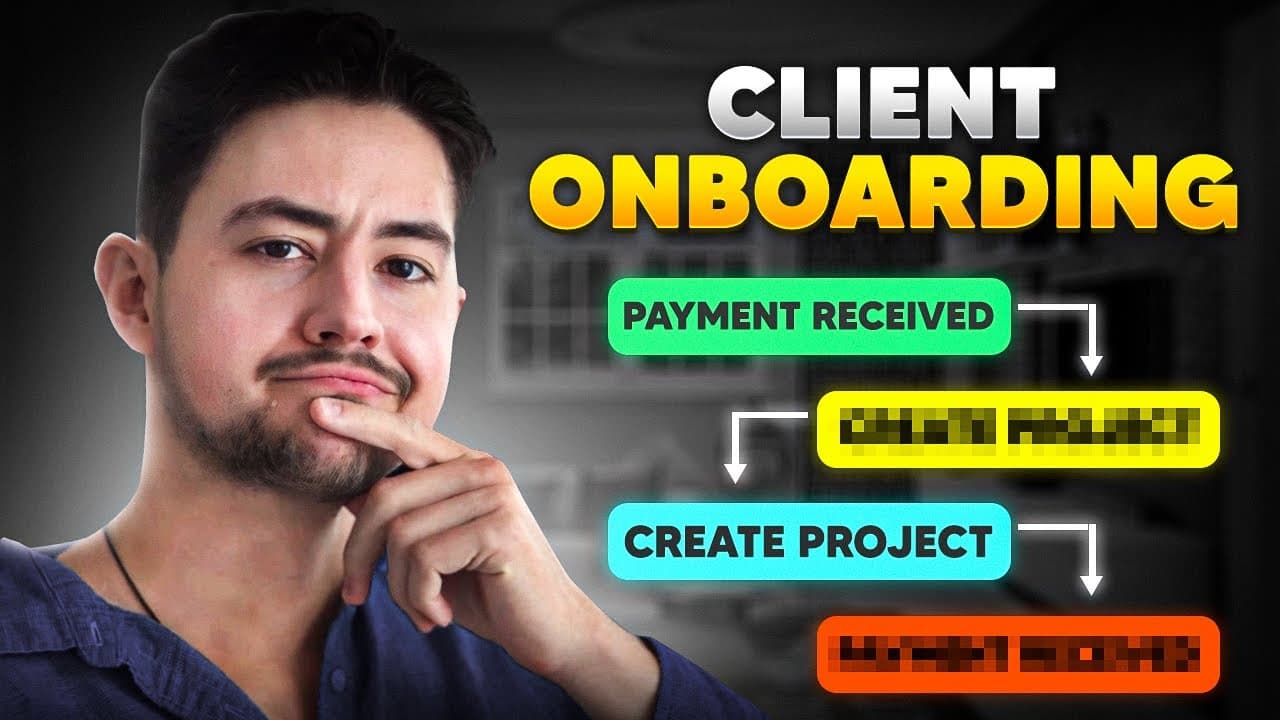
The method centers on a structured onboarding process that reduces buyer remorse, clarifies client expectations, and frontloads logistics to prevent delays. It includes templates, checklists, and assets to streamline sales and delivery, making small initial projects scalable into longer term, higher value engagements.
Transcript
hey Nick here and in this video I'm going to show you how to nail onboarding for an automation client let's get into it so first things first this is just my personal process it's not the only way to do onboarding for automation but it's what I did and what I managed to scale to a little over $70,000 a month doing uh take what makes sense to you ou... Read More
Key Insights
- Buyer remorse is minimized by onboarding; onboarding acts as a post-sale reassurance tool that moves clients from doubt to confidence.
- Clear client expectations are essential to prevent scope creep; upfront communication about scope, timelines, and success metrics reduces later disagreements.
- Logistics management is a core benefit of onboarding in automation, covering credentials, access, and platform details to avoid delays and back-and-forth.
- Templates and assets are valuable because they decrease learning curves, expedite sales and delivery, and provide repeatable systems for future clients.
- Onboarding creates leverage by aligning incentives: selling a dream while delivering a manageable, well-defined project that can scale.
- Automation projects involve many moving parts; a structured onboarding helps organize platforms, integrations, and access in a coherent plan.
- Proactive communication about wind conditions and completion criteria helps clients know when a project is done, reducing post-delivery friction.
- Investing time in upfront onboarding saves hours and dollars later by preventing miscommunications and last-minute surprises.
- More videos from this channel:
- More from this channel: Nick Saraev
Install to Summarize YouTube Videos and Get Transcripts
Explore YouTube Video Summarizer or Get YouTube Transcript Extractor
Questions & Answers
Q: What problem does onboarding solve for automation clients?
Onboarding solves three big problems: buyer remorse, client expectations, and logistics. By addressing buyer remorse, it turns initial excitement into sustained engagement. By setting clear expectations, it reduces scope creep and misunderstandings. By solving logistics early, it prevents delays caused by missing credentials or access rights, speeding up delivery.
Q: How does onboarding create leverage in an automation project?
Onboarding creates leverage by aligning client expectations with deliverable feasibility and by frontloading the work that typically causes delays. It makes the sale feel grounded, increasing the likelihood of repeat business. When clients understand timelines and outcomes from the start, they’re more likely to stay engaged and invest in future enhancements.
Q: What role do templates and checklists play in onboarding?
Templates and checklists standardize the onboarding process, reducing the learning curve for new staff and ensuring consistency across projects. They help capture critical information upfront, such as credentials and access needs, which minimizes back-and-forth, speeds up setup, and reduces chances of missing steps.
Q: Why is logistics management critical in automation onboarding?
Logistics management is critical because automation relies on multiple platforms and credentials. Without upfront access plans and credential handling, projects stall as teams wait on clients. Proper onboarding ensures all required accounts, subscriptions, and permissions are in place, preventing costly delays and miscommunications.
Q: How can onboarding turn a small project into a recurring engagement?
By setting clear, manageable scope and showcasing reliable delivery during onboarding, clients see predictable outcomes. This builds trust and creates repeatable value, encouraging continued work on additional automations. The structured process also helps demonstrate ROI early, making ongoing engagements more attractive to the client.
Q: What is the paradox of client expectations in automation onboarding?
The paradox is that you need to raise client expectations to win the deal, but then deliver a simpler, well-defined scope to avoid overcommitment. Onboarding reconciles this by clarifying wind conditions and deliverables upfront, so the client understands what will be delivered and by when, reducing later dissatisfaction.
Q: How does onboarding protect against scope creep?
Onboarding protects against scope creep by documenting the scope, timelines, and success criteria before work begins. This creates a formal reference point clients can consult, helps prevent late-stage changes, and allows the delivery team to stay focused on agreed outcomes while managing client expectations.
Q: What kind of assets are typically provided in onboarding for automation clients?
Assets typically include templates, checklists, and step-by-step guides that cover credential collection, access provisioning, and a high-level project plan. These resources shorten ramp time for new clients, enable quicker project starts, and provide reusable materials for future engagements, speeding up delivery and reducing errors.
Summary & Key Takeaways
-
The onboarding framework focuses on reducing buyer remorse, aligning expectations, and frontloading logistical details to prevent later delays, enabling smoother projects and higher client satisfaction. It uses ready-made templates and checklists to speed up the setup and execution phase, cutting learning curves for new automations.
-
The process emphasizes managing scope and expectations by clearly outlining delivery timelines, success criteria, and required credentials early, which minimizes scope creep and rework while increasing client trust and retention over time.
-
The approach highlights leveraging upfront onboarding to convert small initial projects into recurring revenue by setting the stage for longer engagements, better communication, and predictable deliverables that align with client goals and operational needs.
Read in Other Languages (beta)
Share This Summary 📚
Summarize YouTube Videos and Get Video Transcripts with 1-Click
Try YouTube Summary with ChatGPT & Claude or YouTube Transcript Generator
Explore More Summaries from Nick Saraev 📚






Summarize YouTube Videos and Get Video Transcripts with 1-Click
Try YouTube Summary with ChatGPT & Claude or YouTube Transcript Generator