Why Does Metal Feel Colder Than a Book?
TL;DR
Objects that share the same surroundings for a long time can reach the same temperature even when they feel different to the touch. Metal feels colder than a book because it conducts heat away from your hand faster, while a hot metal cake tin can burn more readily than the cake because it transfers heat to your hand faster.
Transcript
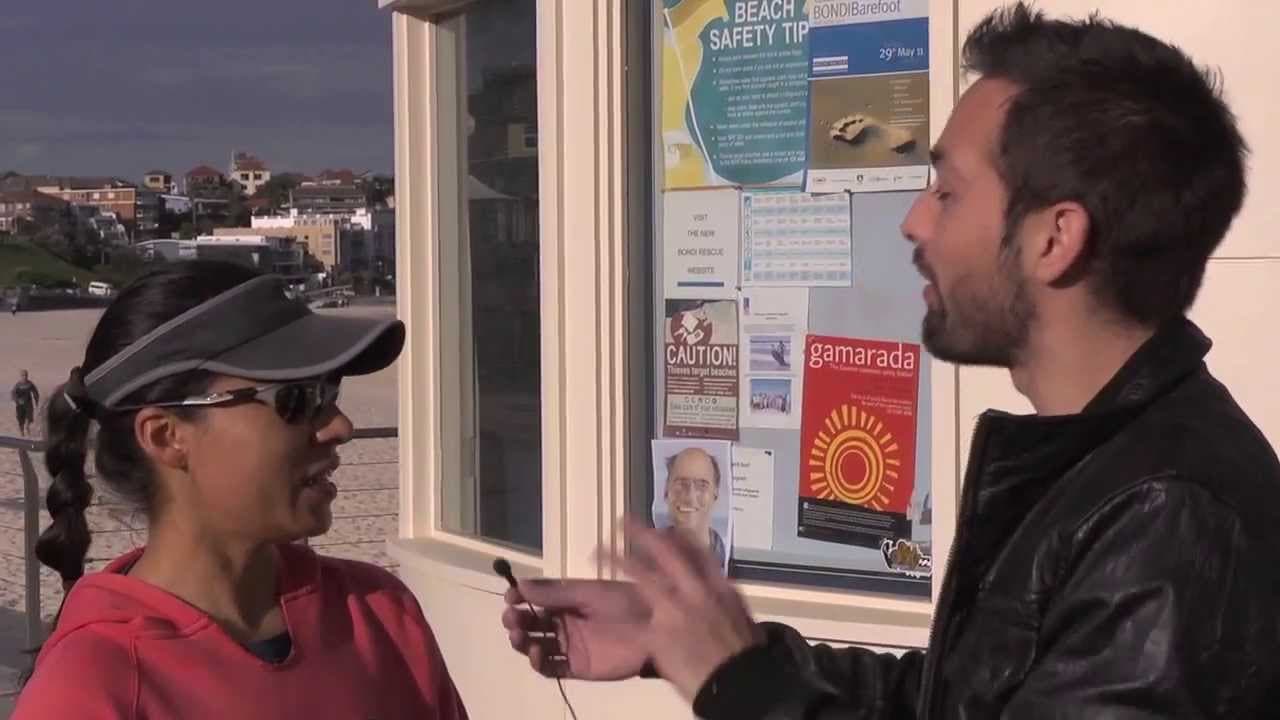
today I'm going to bake this chocolate cake now those of you who know me know that the only reason I would do this is to prove a point earlier I was asking people to compare the temperatures of these two objects a science book written by Isaac Asimov and an old metal hard drive can you compare their temperatures this one would be that feels cold co... Read More
Key Insights
- Objects in the same surroundings for a long period can reach thermal equilibrium, meaning they share the same temperature even if touching them produces noticeably different sensations.
- Touch is an unreliable measure of temperature because the sensation of hotness or coldness depends on how rapidly heat moves between an object and the hand.
- Metal feels colder than a book at the same temperature because metal conducts heat away from the hand faster than the book does.
- A metal cake tin can burn a hand more readily than the cake even when both have approximately the same temperature because the tin transfers heat faster.
- The cake experiment showed that the cake surface and metal tin had very similar measured temperatures immediately after they were removed from the oven.
- An infrared thermometer measures the temperature of a surface by being pointed at it, making it suitable for comparing the exposed cake and tin surfaces.
- A meat thermometer was unsuitable for the first cake experiment because its temperature scale did not extend high enough for an accurate measurement.
- Material differences affect the rate of heat transfer, so an object that feels colder or hotter is not necessarily at a lower or higher temperature.
Install to Summarize YouTube Videos and Get Transcripts
Explore YouTube Video Summarizer or Get YouTube Transcript Extractor
Questions & Answers
Q: Why does metal feel colder than a book?
Metal feels colder because it conducts heat away from your hand faster than a book does. If both objects have remained in the same surroundings for a long time, they can be at the same temperature through thermal equilibrium. The colder sensation therefore reflects a faster flow of heat from your hand into the metal, not necessarily a lower metal temperature.
Q: Can two objects feel different but have the same temperature?
Two objects can feel different while having the same temperature. The metal hard drive felt colder than the science book even though both had been sitting in the same surroundings for a long time. Their different sensations came from their different rates of heat conduction. The metal removed heat from the hand faster, making it feel colder than the book.
Q: What is thermal equilibrium in the heat experiment?
Thermal equilibrium is the condition reached when objects that have remained in the same surroundings for a long period come to the same temperature as those surroundings. In the demonstration, this principle explains why the book and metal hard drive could share the same temperature. Their different feel did not disprove equilibrium because touch responded to heat-transfer rate as well as temperature.
Q: Why can a hot metal cake tin burn more than the cake?
A hot metal cake tin can burn more readily because it conducts heat into the hand faster than the cake. The experiment found that the tin and cake had very similar temperatures after heating, yet they were not equally safe to touch. The important difference was not their temperature but the rate at which each could transfer heat to skin.
Q: Were the cake and its tin at the same temperature?
The infrared thermometer produced very similar readings for the cake surface and the metal tin after they came out of the oven. The readings also changed as the objects cooled, but the comparison supported the conclusion that the cake and tin were approximately the same temperature. The tin still posed a greater burn risk because it transferred heat faster.
Q: What does your hand sense when touching something hot or cold?
Your hand responds to heat flowing between your skin and the object, rather than serving as a direct and reliable thermometer. An object feels cold when it draws heat from the hand, and faster heat removal creates a stronger cold sensation. Likewise, a hot material that delivers heat rapidly can feel more dangerous than another material at a similar temperature.
Q: Why was an infrared thermometer used for the cake experiment?
An infrared thermometer was used because it could measure the temperatures of the exposed cake and tin surfaces by being pointed at them. An earlier attempt with a meat thermometer failed because its temperature scale did not go high enough for an accurate cake measurement. The infrared instrument therefore allowed a direct comparison immediately after the cake left the oven.
Q: Does an object that feels colder always have a lower temperature?
An object that feels colder does not always have a lower temperature. It may simply conduct heat away from your hand faster than another object in the same environment. The book and metal hard drive demonstrated this distinction: they could be at the same temperature, while the metal still felt colder because it removed heat from the hand more quickly.
Summary & Key Takeaways
-
Touch does not directly reveal an object's temperature. A metal hard drive and a book can feel cold and warm despite having remained in the same surroundings long enough to reach the same temperature. Their different sensations result from how quickly each material transfers heat between itself and a person's hand.
-
A cake and its metal tin were heated together, then checked with an infrared thermometer. Their measured surface temperatures were very close, contrary to the prediction that the tin would be much hotter. The experiment showed that equal or similar temperatures do not necessarily produce the same sensation or burn risk.
-
The central distinction is between temperature and the rate of heat transfer. Metal moves heat quickly, so room-temperature metal removes heat from a warm hand rapidly and feels cold. The same property lets a hot tin deliver heat rapidly to the hand, making it more dangerous to touch than cake at a similar temperature.
Read in Other Languages (beta)
Share This Summary 📚
Summarize YouTube Videos and Get Video Transcripts with 1-Click
Try YouTube Summary with ChatGPT & Claude or YouTube Transcript Generator
Explore More Summaries from Veritasium 📚


Summarize YouTube Videos and Get Video Transcripts with 1-Click
Try YouTube Summary with ChatGPT & Claude or YouTube Transcript Generator