How Do Playful Inventions Spark Major Innovations?
TL;DR
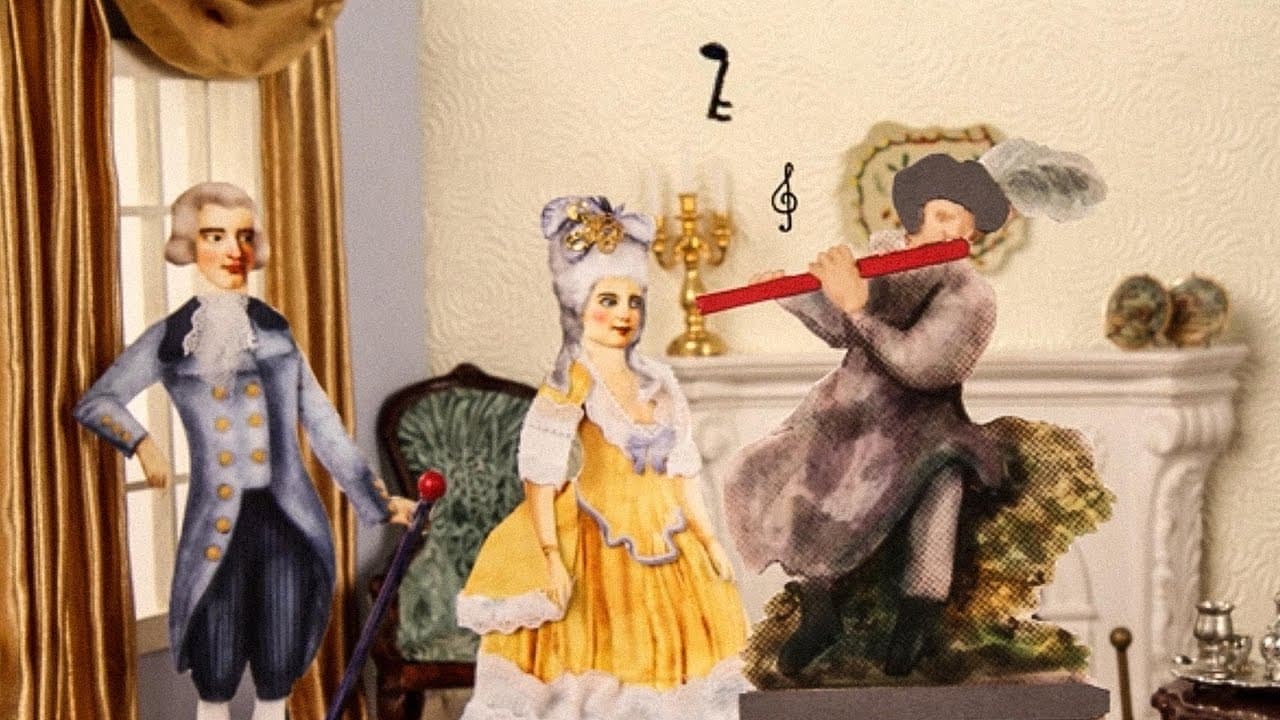
Playful inventions like flutes and music boxes have historically led to significant breakthroughs in technology and society. Many world-changing ideas, including computers, originated from playful concepts rather than necessity, highlighting the importance of exploration and delight in the innovation process.
Transcript
(Music) Roughly 43,000 years ago, a young cave bear died in the rolling hills on the northwest border of modern day Slovenia. A thousand years later, a mammoth died in southern Germany. A few centuries after that, a griffon vulture also died in the same vicinity. And we know almost nothing about how these animals met their deaths, but these differe... Read More
Key Insights
- 🎵 Music: Ancestors invented the flute, a seemingly frivolous tool that created vibrations in air molecules, but this playful invention ended up sparking momentous transformations in science, politics, and society.
- 💡 Innovation: Many inventions throughout history were born out of play and delight, not just necessity. Playfulness leads to exploratory thinking and the discovery of new possibilities.
- 🎹 Musical Instruments: The origins of the modern computer can be traced back to the flute and the idea of pushing air through tubes to make sounds. This idea eventually led to the invention of the first organ and the evolution of keyboards.
- 🌍 Islamic Renaissance: During the Islamic Renaissance, three brothers in Baghdad designed a programmable automated organ, which was conceptually a massive leap forward in the idea of hardware and software.
- 🤖 Robots: Music-making machines and automated flute players were precursors to early robots, known as automata. These machines were controlled by coded cylinders and influenced the development of programmable looms and punch card systems.
- 🔮 Implications: The playful state of mind and the exploration of new possibilities have implications for education and fostering innovation in workspaces.
- 🎯 Detecting the Future: Looking for what brings people the most fun can provide clues about future advancements. For example, the programmable flute entertaining the Parisian elite in the 18th century foreshadowed the tech revolution.
- 🌟 Fun and the Future: Playfulness and delight are integral to profound breakthroughs and should not be underestimated. The future can be found wherever people are having the most fun.
- 🎙️ More videos with Steven Johnson:
Install to Summarize YouTube Videos and Get Transcripts
Explore YouTube Video Summarizer or Get YouTube Transcript Extractor
Questions & Answers
Q: What is the significance of the bone flutes crafted by our ancestors thousands of years ago?
The bone flutes crafted by our ancestors thousands of years ago may seem like a preposterous invention, but they hold great significance. These seemingly frivolous inventions ended up sparking momentous transformations in science, politics, and society. They demonstrate that new ideas often come into the world simply because they are fun and playful.
Q: How did the idea of the flute eventually lead to the invention of the modern computer?
The idea of the flute evolved over time to create the first organ, which then led to the invention of the first musical keyboard. Keyboards continued to evolve until inventors in the 19th century came up with the idea of using a keyboard to trigger letters instead of sounds. This concept eventually paved the way for the invention of the typewriter, which was the precursor to the modern computer.
Q: How did music-making machines contribute to the development of programmable machines?
Music-making machines, such as automata, used the same coded cylinders as the flutes to control their physical movements. This idea of programming a machine to produce pleasing sounds inspired inventors to think about programming machines for other purposes. Jacques de Vaucanson, a French inventor, designed an automated flute player and had the idea of programming machines to weave patterns of color on fabric, which eventually led to the invention of the first programmable loom.
Q: How did the use of paper-punched cards revolutionize programmable machines?
Paper-punched cards were a significant advancement in programmable machines. They replaced the expensive and time-consuming metal cylinders used in earlier devices. The use of paper-punched cards was pioneered by another French inventor, Jacquard, who utilized them to program his automated loom. This punch card system later inspired Charles Babbage, a Victorian inventor, to create his analytical engine, which is considered the first true programmable computer in history.
Q: How does recognizing the importance of play and delight impact our understanding of innovation and predicting future developments?
Recognizing the importance of play and delight helps us understand that necessity isn't always the mother of invention. The playful state of mind is fundamentally exploratory, seeking out new possibilities in the world around us. By embracing play and delight, we can encourage innovation in our workspaces and education systems. Additionally, by observing what people find enjoyable and fascinating, we can gain insights into the future and predict potential breakthroughs and tech revolutions.
Summary & Key Takeaways
-
Animals such as cave bears, mammoths, and vultures had bones from their skeletons crafted into flutes by humans 43,000 years ago, showing that even ancient humans were driven to invent seemingly frivolous things.
-
Playful and seemingly irrelevant inventions, such as the flute and the music box, have led to momentous transformations in science, politics, and society.
-
Many world-changing ideas and technologies, including computers, have roots in playful and exploratory mindsets, emphasizing the importance of play and delight in innovation.
Read in Other Languages (beta)
Share This Summary 📚
Summarize YouTube Videos and Get Video Transcripts with 1-Click
Try YouTube Summary with ChatGPT & Claude or YouTube Transcript Generator
Explore More Summaries from TED 📚



Summarize YouTube Videos and Get Video Transcripts with 1-Click
Try YouTube Summary with ChatGPT & Claude or YouTube Transcript Generator