Why We Shouldn't Ban TikTok: A Historical Perspective
TL;DR
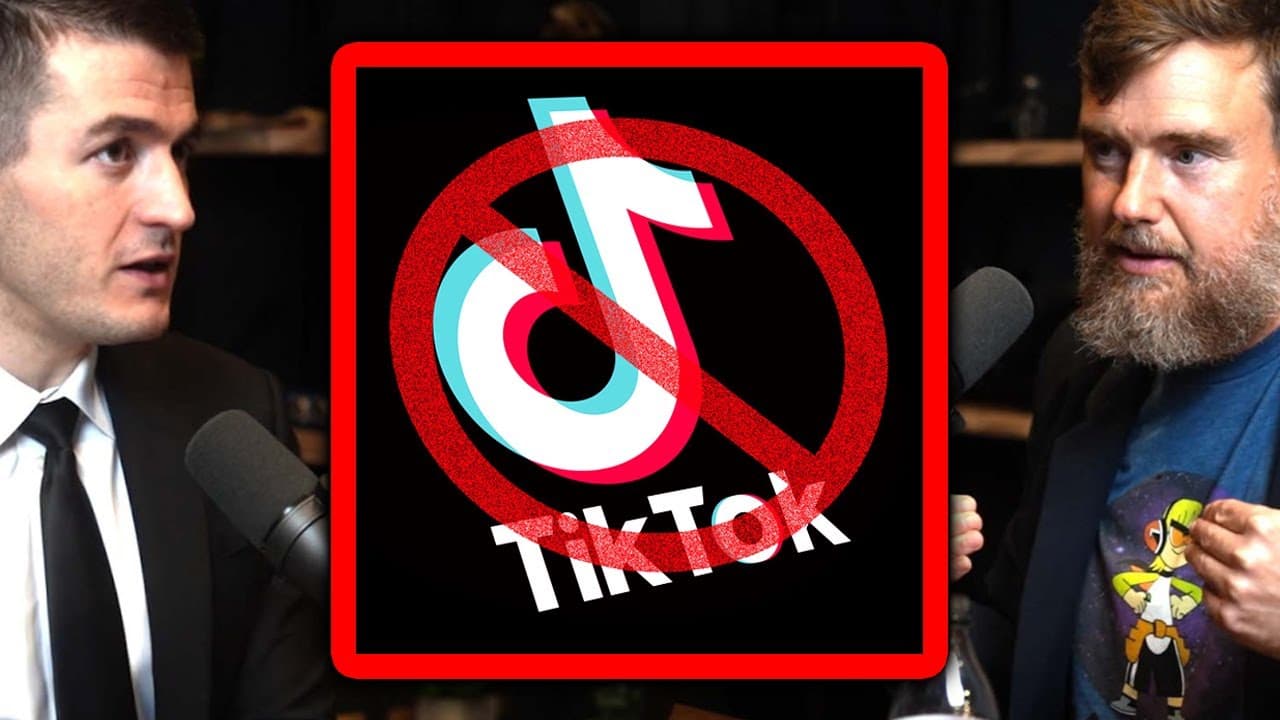
Banning TikTok mirrors past censorship efforts like those of the Tudor dynasty and ignores the potential for social media to foster positive change. Embracing cultural adaptation rather than imposing restrictions may unlock its value as a tool for collective problem-solving and knowledge expansion.
Transcript
what I was studying um in law school when I ran out of First Amendment classes um I decided to study censorship during the Tudor dynasty uh because that's where we get our ideas of prior restraint uh that come from the licensing of the printing press which was something that Henry VII was the first to do where basically um the idea was that if you ... Read More
Key Insights
- 😑 The licensing of the printing press during the Tudor dynasty led to censorship and control over information.
- 😮 The disruptive nature of the printing press caused distress, misinformation, and a rise in witch hunts.
- 🍵 Cultural adaptation, rather than top-down regulations, is necessary for handling the challenges of social media.
- 😒 Social media has the potential for long-term benefits, such as problem-solving and the discovery of ignorance, but its current use is limited to cat videos and cancel culture.
- 🙈 Twitter is seen as a unique platform that reveals raw aspects of humanity and offers a real-time collective brain experience.
- 💉 Maximizing engagement and clickbait algorithms have negatively impacted mental health and need to be replaced with machine learning algorithms that promote long-term fulfillment.
- 🤑 Social media has the potential to provide a rich human experience by challenging individuals and expanding knowledge, but creating a feed that aligns with individual growth is a complex problem.
- 🎙️ More videos with Greg Lukianoff:
Install to Summarize YouTube Videos and Get Transcripts
Explore YouTube Video Summarizer or Get YouTube Transcript Extractor
Questions & Answers
Q: How did the licensing of the printing press lead to censorship during the Tudor dynasty?
The licensing system implemented by Henry VII required all printing to be approved by him, leading to control over information and prevention of heretical or anti-King Henry VII ideas.
Q: Why does the speaker compare the disruptive nature of the printing press to social media?
The speaker sees parallels between the printing press and social media in terms of their ability to disrupt societal norms and facilitate the spread of information, both accurate and false.
Q: How does the speaker view attempts to regulate social media through top-down measures?
The speaker believes that banning platforms or implementing age restrictions will not effectively address the challenges posed by social media. Cultural adaptation and wiser use are seen as necessary approaches.
Q: What are the potential long-term benefits of social media?
The speaker believes that, similar to the printing press, social media has the potential to be an engine for disconfirmation and problem-solving when used wisely, with millions of voices contributing to solutions.
Summary & Key Takeaways
-
The speaker explores the historical impact of the printing press and its similarities to the current state of social media.
-
They highlight how censorship was used to control information during the Tudor dynasty in response to the printing press.
-
The speaker expresses optimism for the long-term benefits of social media but warns against attempts to restrict it through top-down measures.
Read in Other Languages (beta)
Share This Summary 📚
Summarize YouTube Videos and Get Video Transcripts with 1-Click
Try YouTube Summary with ChatGPT & Claude or YouTube Transcript Generator
Explore More Summaries from Lex Clips 📚

Summarize YouTube Videos and Get Video Transcripts with 1-Click
Try YouTube Summary with ChatGPT & Claude or YouTube Transcript Generator