How Do Big Bank Earnings Impact Stock Valuations?
TL;DR
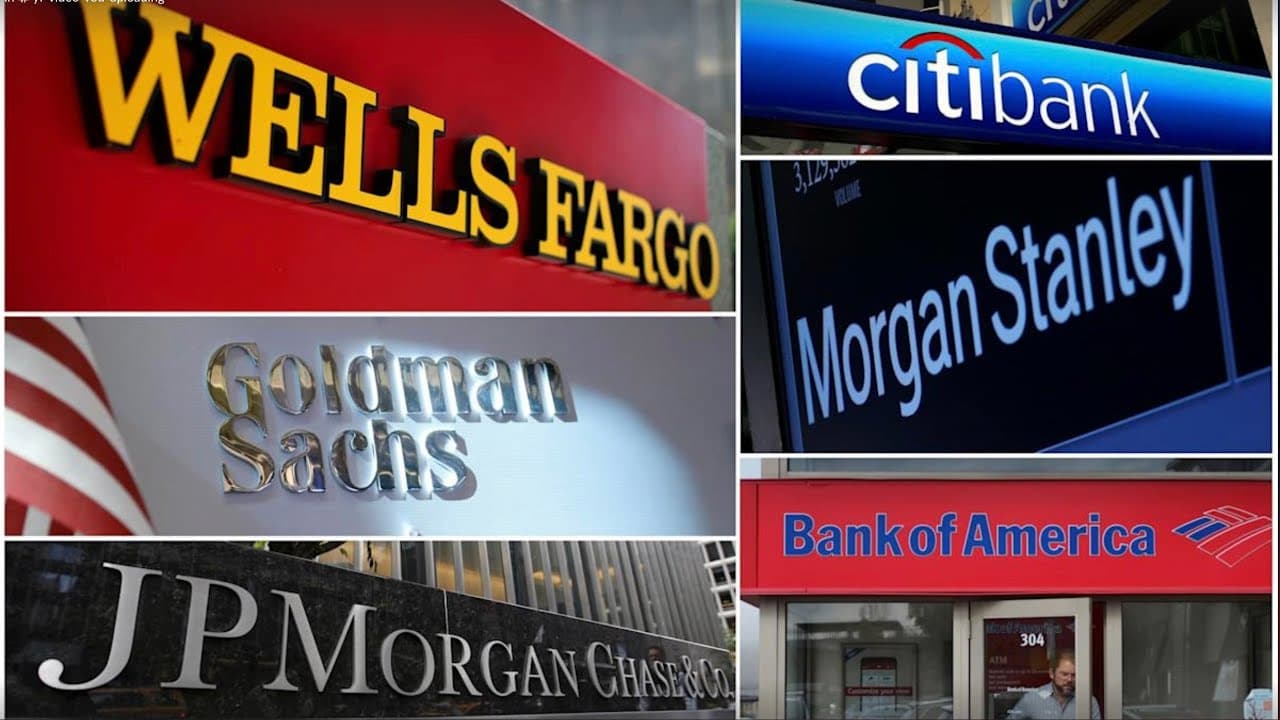
Big banks reported mixed earnings with strong stock rallies despite high valuations. While investment banking faced challenges, areas like equity trading and wealth management showed promise. Concerns over policy changes, such as a proposed credit card rate cap, could impact future profitability. Overall, the banking sector remains optimistic, with expectations for continued growth in 2026 amidst regulatory uncertainties.
Transcript
Dave, uh, as you've been covering the earnings this week, uh, you've kind of come to several different takeaways. So, let's run through what your takeaways were. >> Right. So, I I think one is just you heard it on the we've were talking about it on the show for weeks. It's just that um all the all six of the big Wall Street banks have seen uh stron... Read More
Key Insights
- Big banks reported strong stock rallies despite high valuations, leading to mixed expectations and results.
- Investment banking faced challenges, with some deals delayed, impacting short-term performance.
- Equity trading and wealth management showed strong results, contributing positively to bank earnings.
- Concerns over a proposed 10% credit card rate cap could significantly impact profitability for banks.
- Analysts expect continued growth in 2026, driven by deregulation and economic stimulus.
- Loan growth is picking up, which is a positive sign for the banking sector's future performance.
- Policy changes, such as potential deregulation, are seen as a key factor influencing future bank valuations.
- Despite mixed earnings, the overall sentiment remains positive, with expectations of strong performance in the coming year.
Install to Summarize YouTube Videos and Get Transcripts
Explore YouTube Video Summarizer or Get YouTube Transcript Extractor
Questions & Answers
Q: How do big bank earnings impact stock valuations?
Big bank earnings can significantly impact stock valuations as they reflect the financial health and future prospects of the banks. Strong earnings, especially in areas like equity trading and wealth management, can boost investor confidence and lead to stock rallies. However, high valuations can also mean there's less room for error, and mixed or disappointing earnings can result in stock sell-offs. Policy changes and economic factors also play a crucial role in shaping investor sentiment and stock valuations.
Q: What challenges did investment banking face in the recent earnings reports?
Investment banking faced several challenges in the recent earnings reports, primarily due to delayed deals and mixed expectations. Some banks reported lower-than-expected investment banking revenues, which were attributed to a slowdown in deal-making activities. This was partly due to economic uncertainties and regulatory changes, which caused some deals to be pushed into the following year. Despite these challenges, the outlook for investment banking remains optimistic, with expectations of a rebound in deal activities in 2026.
Q: How might a 10% credit card rate cap affect banks?
A proposed 10% credit card rate cap could significantly impact bank profitability. Many banks rely on high-interest credit card rates to offset the risk of lending to consumers with varying credit profiles. If implemented, such a cap could make a sizable portion of the credit card business unprofitable, leading banks to tighten credit availability. This could push some consumers towards higher-cost alternatives like payday loans. The policy faces legal and practical challenges, and its implementation remains uncertain.
Q: What are the expectations for bank growth in 2026?
Expectations for bank growth in 2026 are positive, driven by factors such as deregulation, economic stimulus, and improved market conditions. Analysts predict strong earnings growth, supported by loan growth and robust performance in areas like equity trading and wealth management. Despite potential regulatory challenges and economic uncertainties, the overall sentiment is optimistic, with banks expected to capitalize on favorable market trends and policy changes to enhance profitability and shareholder returns.
Q: How do policy changes influence bank valuations?
Policy changes can significantly influence bank valuations by affecting regulatory environments, interest rates, and market conditions. Deregulation, for instance, can lead to increased profitability and higher valuations by reducing compliance costs and allowing banks to engage in more lucrative activities. Conversely, policies like a credit card rate cap could negatively impact earnings and valuations by restricting revenue streams. Investors closely monitor policy developments to assess their potential impact on bank operations and financial performance.
Q: What role does loan growth play in bank earnings?
Loan growth plays a crucial role in bank earnings as it directly contributes to interest income, a significant component of bank revenues. An increase in loan growth indicates higher demand for credit, which can boost a bank's profitability through increased lending activities. It also reflects economic confidence and consumer spending, further supporting bank earnings. Strong loan growth can offset challenges in other areas, such as investment banking, and contribute to a positive outlook for the banking sector.
Q: Why are equity trading and wealth management important for banks?
Equity trading and wealth management are important for banks as they provide significant revenue streams and contribute to overall profitability. Equity trading benefits from market volatility and investor activity, generating substantial trading revenues. Wealth management offers stable, fee-based income through advisory services and asset management, catering to high-net-worth clients. These areas help diversify bank earnings, reducing reliance on traditional banking activities like lending, and enhancing resilience against economic fluctuations.
Q: What are the risks associated with private equity and credit for banks?
Risks associated with private equity and credit for banks include exposure to leveraged investments and potential defaults. Private equity firms often use significant debt to finance acquisitions, which can lead to financial instability if market conditions change. Banks lending to private equity and credit firms face risks from non-recourse loans and potential losses if investments underperform. Regulatory scrutiny and market volatility can exacerbate these risks, impacting bank profitability and financial stability.
Summary & Key Takeaways
-
Big banks reported mixed earnings with strong stock rallies despite high valuations, leading to mixed expectations. Investment banking faced challenges, but equity trading and wealth management showed promise. Concerns over policy changes, such as a proposed credit card rate cap, could impact future profitability.
-
Analysts expect continued growth in 2026, driven by deregulation and economic stimulus. Loan growth is picking up, which is a positive sign for the banking sector's future performance. Despite mixed earnings, the overall sentiment remains positive.
-
Policy changes, such as potential deregulation, are seen as a key factor influencing future bank valuations. The banking sector remains optimistic, with expectations for continued growth in 2026 amidst regulatory uncertainties.
Read in Other Languages (beta)
Share This Summary 📚
Summarize YouTube Videos and Get Video Transcripts with 1-Click
Try YouTube Summary with ChatGPT & Claude or YouTube Transcript Generator
Explore More Summaries from Yahoo Finance 📚






Summarize YouTube Videos and Get Video Transcripts with 1-Click
Try YouTube Summary with ChatGPT & Claude or YouTube Transcript Generator