How to Introduce Yourself in English Easily
TL;DR
A clear English introduction can include your name, where you are from, your job or studies, and one personal interest. Choose only the details that fit the situation, use simple sentences, and speak in a friendly way. Mentioning a hobby or favorite thing can also give the other person an easy way to continue the conversation.
Transcript
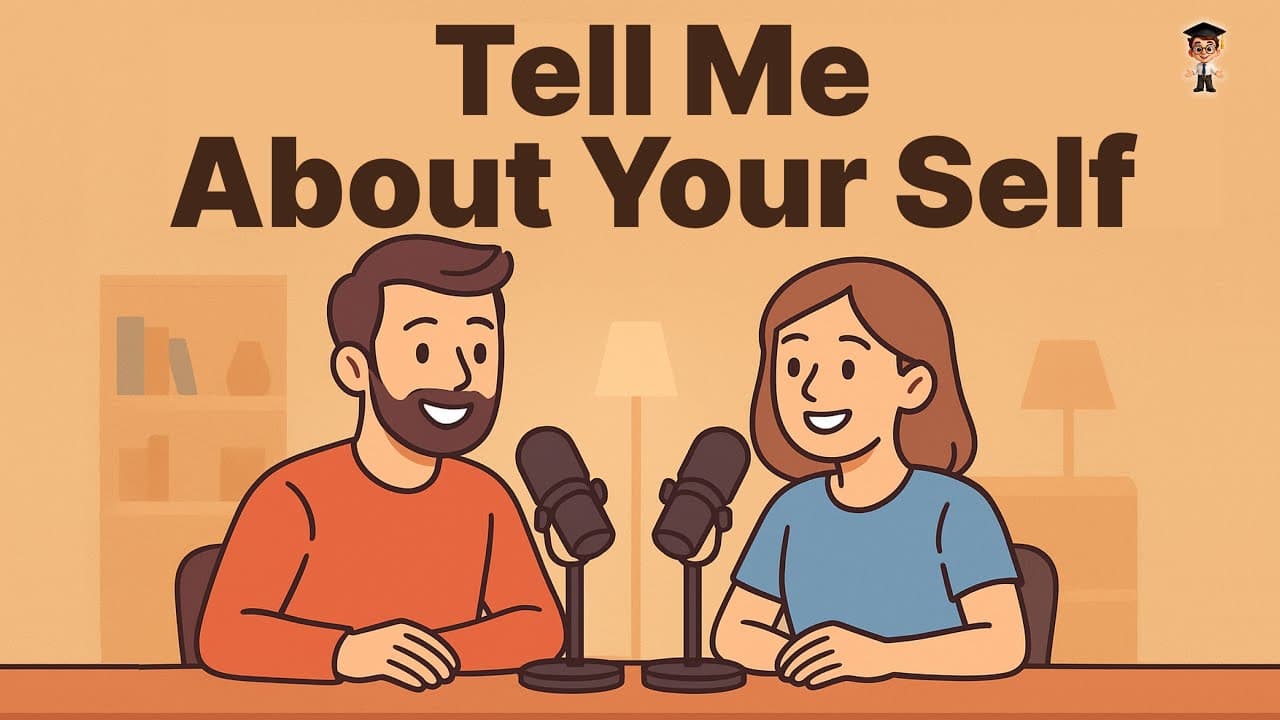
Hello everyone and welcome back to Mr. English channel where learning English is easy and fun. I'm Emily. Hello Emily. Hello everyone. It's great to be here. Hi Paul. How are you today? I'm doing great, thank you. And you? You look very happy today. I am very happy. I'm excited for our topic today. Oh, yes. It's a very good topic. Very important. Y... Read More
Key Insights
- A basic self-introduction is a short selection of personal details, such as your name, country, job, studies, or hobby. You do not need to share every available detail at once because the best information depends on the situation.
- The question “Tell me about yourself” is an invitation to share a little personal information. Treating it as a conversation starter can make it feel less frightening and help you respond with simple, friendly sentences.
- A name and occupation can form a complete beginner introduction. For example, Paul identifies himself as an English teacher, while Emily identifies herself as a student who studies art and enjoys drawing and painting.
- Family and pets are optional topics that can add personality to an introduction. Paul discusses his sister and dog, Max, while Emily discusses her brother and cat, Luna, showing how relationships and animals can support natural conversation.
- Likes and dislikes are useful for describing personality in simple English. Statements about foods, animals, sleep, or activities let beginners practice clear patterns such as “I like,” “I love,” “I don’t like,” and “My favorite” without needing complex vocabulary.
- Hobbies create natural opportunities for follow-up questions. Painting, reading adventure stories, listening to rock music, playing soccer, and watching comedy or animated movies can prompt questions about what someone creates, reads, listens to, plays, or watches.
- The setting determines which introduction details are most useful. A learner in a class might mention a name and reason for learning English, while someone at a party might mention painting or music to help begin a social conversation.
- The key to a friendly introduction is using simple, clear sentences with a welcoming manner. The conversation recommends practicing without fear, selecting only relevant details, and smiling while speaking so that the exchange feels approachable.
Install to Summarize YouTube Videos and Get Transcripts
Explore YouTube Video Summarizer or Get YouTube Transcript Extractor
Questions & Answers
Q: How do you introduce yourself in English as a beginner?
Start with your name, then add one or two details that fit the situation. You might say where you are from, what you do, what you study, or what hobby you enjoy. Use short patterns such as “My name is,” “I am from,” “I am a student,” or “I like painting.” Keep the introduction simple, clear, and friendly.
Q: What can you say when someone asks, “Tell me about yourself”?
You can choose from several personal topics, including your name, country, place of residence, age, job, studies, family, pets, hobbies, favorite things, likes, and dislikes. You do not need to discuss all of them. A short answer with your name, occupation, and one interest is enough to introduce yourself and invite another question.
Q: How long should a beginner’s English introduction be?
A beginner’s introduction can be only one or two sentences because the conversation says you do not need to share everything at once. A simple response might combine your name with your job or hobby. The appropriate length depends on the setting, but clarity and friendliness matter more than including every possible detail about your life.
Q: How should you introduce yourself in an English class?
In a class, you can state your name and explain why you are learning English. You may also mention where you are from or something you enjoy. The conversation suggests selecting details that match the situation, so a class introduction should focus on information that helps classmates and the teacher understand who you are and why you are there.
Q: How can hobbies improve a self-introduction?
Hobbies make an introduction more personal and give listeners an easy subject for a follow-up question. Saying that you paint, read adventure stories, listen to rock music, play soccer, or watch comedy movies reveals what you enjoy. The listener can then ask what you paint or what music you like, allowing the introduction to develop into a conversation.
Q: Can you mention family and pets in an English introduction?
Yes, family and pets can be included when they are relevant and you want to share more personal information. The conversation models sentences about having a brother or sister and describes pets by name, color, and personality. These topics are optional, but they help learners practice relationship words and descriptive sentences while making an introduction more distinctive.
Q: How do likes and dislikes help describe your personality?
Likes and dislikes communicate preferences through simple sentence patterns and show something about your personality. You can mention a favorite food, color, animal, movie type, or activity, then add something you do not enjoy. Paul, for example, likes dogs and pizza but dislikes olives. Emily likes cats and pasta but dislikes waking up early.
Q: Why is “Tell me about yourself” a useful conversation starter?
The question invites someone to share a small amount of personal information and creates several paths for continuing the exchange. A detail about art, music, work, pets, food, or sports can lead to a natural follow-up question. The conversation presents the question as an invitation rather than something scary, encouraging beginners to answer simply and confidently.
Summary & Key Takeaways
-
A beginner can answer “Tell me about yourself” by sharing a few basic details in simple English. Useful topics include a name, home country, current location, age, occupation, or field of study. Paul and Emily demonstrate these topics through short questions and direct answers that learners can adapt for their own introductions.
-
Personal information such as family, pets, favorite foods, colors, animals, hobbies, likes, and dislikes can make an introduction more interesting. These details reveal personality and create opportunities for follow-up questions. The conversation models useful patterns such as “I have,” “I like,” “I love,” and “I don’t like” for beginners.
-
An introduction should be adapted to its setting rather than include every possible detail. In a class, someone might mention why they are learning English. At a party, mentioning painting or music can start a conversation. The central advice is to keep the response simple, clear, and friendly while practicing without fear.
Read in Other Languages (beta)
Share This Summary 📚
Summarize YouTube Videos and Get Video Transcripts with 1-Click
Try YouTube Summary with ChatGPT & Claude or YouTube Transcript Generator
Explore More Summaries from Mr. English Channel 📚



Summarize YouTube Videos and Get Video Transcripts with 1-Click
Try YouTube Summary with ChatGPT & Claude or YouTube Transcript Generator