Interstellar Objects on the Moon?
TL;DR
Yes, the Moon may preserve fragments of interstellar objects that struck its surface while passing through the solar system. With no atmosphere and a surface that changes very slowly, it has accumulated material across its 4.5-billion-year history; Apollo missions alone returned about 400 kilograms of samples. Researchers could identify interstellar material through isotope ratios, making the lunar surface a compelling archive of other star systems’ chemistry worth exploring further.
Transcript
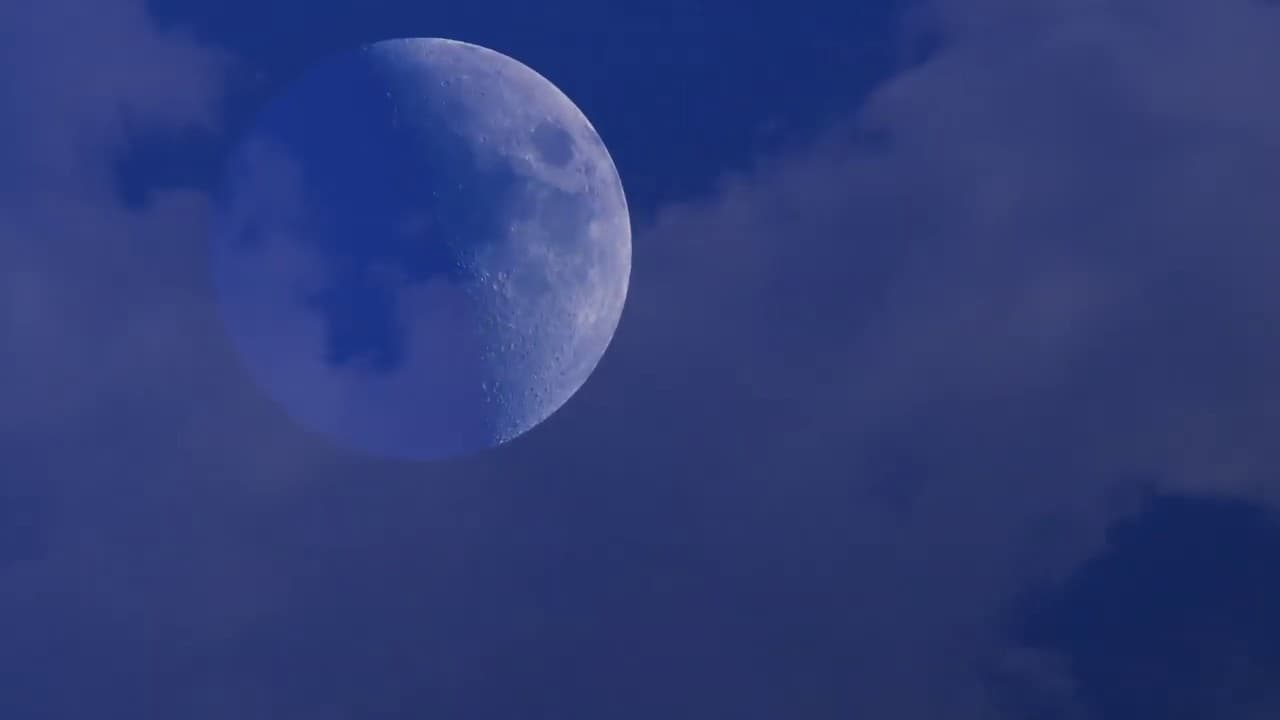
the surface of the Moon is almost like a tomb not much changes in the short-term while over very long periods micrometeoroid impacts garden the lunar surface and effectively continuously pulverize it it takes a very very long time for this process to unfold as a result things like the Apollo astronauts footprints are set to be recognizable for as l... Read More
Key Insights
- 🧑🏭 The moon's surface acts as a tomb, preserving objects and material for billions of years.
- 💁 Lunar samples collected by the Apollo missions contain valuable information about the history of the solar system.
- 🥹 The moon's surface could hold evidence of interstellar objects and potential clues about the presence and origins of life.
- 👨🎤 Studying moon rocks offers a unique opportunity to understand Earth's early history and the development of our planet's atmosphere.
- 🎟️ Future lunar missions and colonization efforts could provide further insights into astrobiology and interstellar chemistry.
- 🥮 The moon remains an intriguing and accessible destination for scientific exploration.
- 👽 Discovering evidence of alien civilizations on the moon is unlikely but not impossible.
- 🥹 Exploring the moon holds great potential for advancing our understanding of the universe.
Install to Summarize YouTube Videos and Get Transcripts
Explore YouTube Video Summarizer or Get YouTube Transcript Extractor
Questions & Answers
Q: Are there interstellar objects on the Moon?
The Moon should have occasionally been struck by interstellar objects passing through the solar system, such as objects like comet Borisov or ʻOumuamua. Their fragmented material may remain preserved on the lunar surface, although the transcript does not report a confirmed discovery of such material.
Q: Why could the Moon preserve interstellar material?
The Moon has no atmosphere, so incoming material tends to survive in fragmentary form after reaching the surface. Its surface also changes so slowly that impact debris can be preserved almost indefinitely, despite gradual pulverization by micrometeoroids.
Q: How could scientists identify interstellar material in lunar samples?
The researchers discussed in the transcript propose studying isotope ratios within lunar materials. Distinctive ratios could identify interstellar samples and provide information about the chemistry of other star systems.
Q: Could Apollo samples already contain interstellar material?
The Apollo missions returned about 400 kilograms of material from the Moon, while the Soviet Union also remotely returned samples. According to the transcript, these existing collections could already be searched for interstellar materials.
Q: What meteorite material has already been found in Apollo lunar samples?
Lunar soil contains trace elements of meteoritic origin accumulated over billions of years. Apollo 12 astronauts also collected a carbonaceous chondrite fragment, described as an ancient and primitive meteorite type containing material from the solar nebula.
Q: Did Apollo astronauts collect a rock fragment from early Earth?
Geologists studying a rock collected by Apollo 14 found a fragment that appears to have formed on Earth. It was blasted away by an impact about four billion years ago and later became embedded in lunar rock while the Moon was still geologically active.
Q: What could Moon rocks reveal about early Earth and life?
Earth rocks preserved on the Moon might contain evidence of early life or trapped gases recording the evolution of Earth’s early atmosphere. The Moon may also have pristinely preserved organic materials like those that contributed to life on Earth.
Q: Could the Moon preserve evidence of alien life or technology?
Interstellar material might contain molecular traces left by life elsewhere in the galaxy, though its place of origin would probably remain unknown. The transcript also describes technological traces from a civilization, such as spacecraft debris, probes, or mining evidence, as plausible only at the margins of possibility.
Summary & Key Takeaways
-
The moon's surface contains soil with trace elements of meteoritic origin, preserving billions of years of material and offering insights into the solar system's history.
-
Recent findings include a rock fragment that originated from Earth, giving researchers a glimpse into Earth's early geological activity.
-
The moon could hold clues about the evolution of Earth's atmosphere, the origins of life, and the history of the solar system.
Read in Other Languages (beta)
Share This Summary 📚
Summarize YouTube Videos and Get Video Transcripts with 1-Click
Try YouTube Summary with ChatGPT & Claude or YouTube Transcript Generator
Explore More Summaries from John Michael Godier 📚

Summarize YouTube Videos and Get Video Transcripts with 1-Click
Try YouTube Summary with ChatGPT & Claude or YouTube Transcript Generator