What Are Algorithms and How Do They Improve Decision-Making?
TL;DR
Algorithms enhance decision-making by providing frameworks like optimal stopping and exploration-exploitation trade-offs. These techniques help individuals efficiently navigate choices in housing searches, dining options, and clinical trials, ultimately promoting better outcomes through the concept of computational kindness, which aims to simplify interactions and reduce cognitive burdens.
Transcript
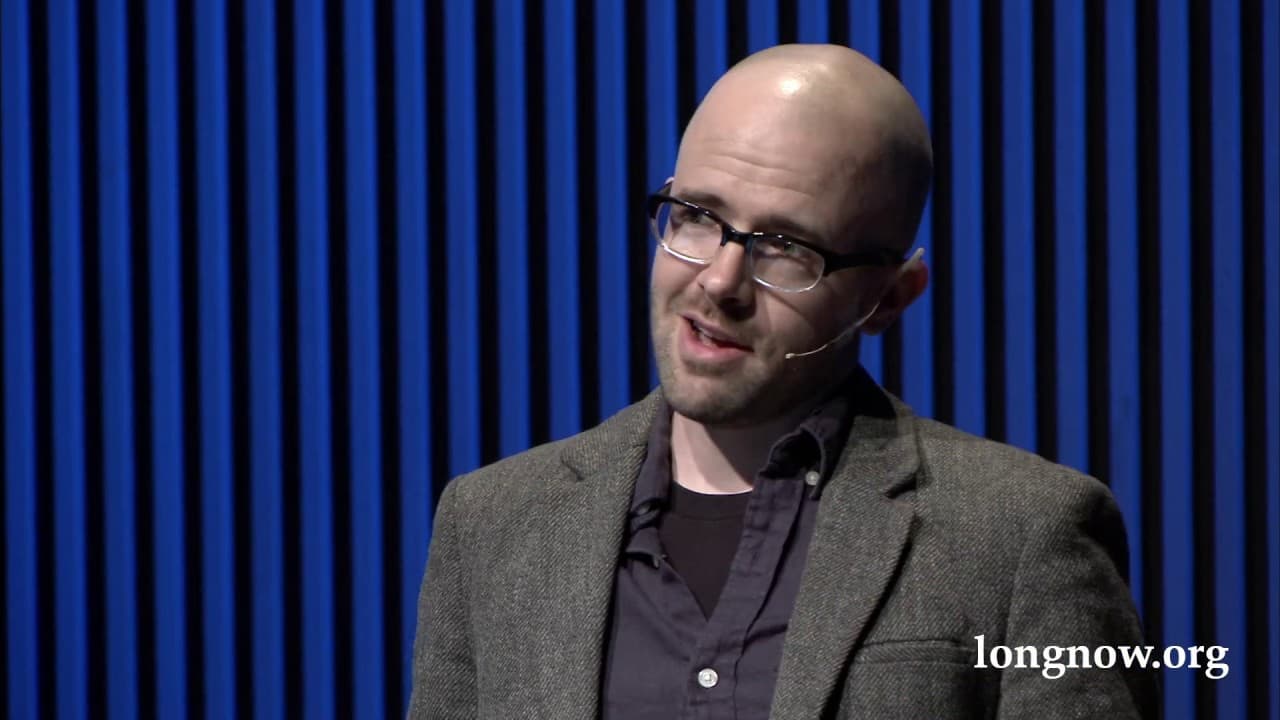
good evening I'm Alexander Rosen the executive director here at long now it's great to see a sellout crowd for algorithms nice actually known Brian for quite a while he's been coming to these talks for years mostly at the behest of Rose his now fiance congratulations so yeah it was part of her wooing strategy apparently is what she just told these ... Read More
Key Insights
- 🤔 Algorithms and computational thinking can provide valuable insights into human decision-making.
- ✋ Optimal stopping problems and exploration-exploitation trade-offs can help make informed decisions in various domains.
- 💄 Computational kindness emphasizes making interactions and tasks easier for others by minimizing their computational burden.
- 🥺 The adoption of algorithms in areas like clinical trials and voting processes can lead to more efficient and fair decision-making.
Install to Summarize YouTube Videos and Get Transcripts
Explore YouTube Video Summarizer or Get YouTube Transcript Extractor
Questions & Answers
Q: How can optimal stopping be applied in real-life scenarios?
Optimal stopping can be used to make informed decisions in situations where multiple options are available. For example, in housing search, spending the first 37% of your search time exploring options and then committing to the first place that is better than the previous 37% can give you the best chance of finding the ideal apartment.
Q: What is the exploration-exploitation trade-off?
The exploration-exploitation trade-off refers to the balance between trying new things and sticking to what we know and love. It can be applied to various decisions, such as trying new restaurants or expanding social circles. The optimal strategy depends on the interval or timeframe in which the decision is made.
Q: How can computational kindness be practiced in daily interactions?
Computational kindness suggests minimizing the computational burden on others. This can be achieved by making interactions and tasks easier for them. For example, simplifying processes, reducing decision-making complexity, and reducing cognitive load can all contribute to computational kindness.
Summary & Key Takeaways
-
The content discusses various concepts such as optimal stopping, exploration-exploitation trade-off, and minimal regret algorithms in the context of decision-making.
-
It explores how these algorithms can be applied to domains like housing search, restaurant selection, and even clinical trials.
-
The content also delves into the concept of computational kindness, which suggests that we should interact with others in a way that minimizes their computational cost.
Read in Other Languages (beta)
Share This Summary 📚
Summarize YouTube Videos and Get Video Transcripts with 1-Click
Try YouTube Summary with ChatGPT & Claude or YouTube Transcript Generator
Explore More Summaries from Long Now Seminars 📚





Summarize YouTube Videos and Get Video Transcripts with 1-Click
Try YouTube Summary with ChatGPT & Claude or YouTube Transcript Generator