How to Discuss Pay, Promotions, and Leadership
TL;DR
Effective workplace conversations depend on dialogue, specificity, and human skills. Ask about compensation by expressing commitment, describing added responsibilities, and agreeing on goals and a schedule instead of issuing a demand. Strong leadership also requires psychological safety, self-reflection, and precise feedback about troubling behavior and its impact.
Transcript
hey there I thought it would take a little time to answer some questions that have been coming through on social media so let's just jump right in um can you shed light on how some people who are never good at their jobs get promoted okay so there are two reasons why people who are never good at their jobs get promoted uh the first one is um they'r... Read More
Key Insights
- Promotions are not always rewards for being the top performer because leading people requires a different skill set from completing individual tasks. Leadership may recognize potential in someone who listens well, supports colleagues, and helps other people thrive, even if that person does not produce the strongest numbers.
- Managing up can help an unqualified employee appear capable and secure a promotion, but that strategy may eventually collapse when the person cannot meet the position's real demands. Apparent unfairness can therefore reflect either organizational error or leadership qualities that colleagues have not noticed.
- Human skills are important promotion criteria because a manager's responsibility includes helping others perform effectively. Companies that promote exclusively according to numerical results risk placing performance-driven people in leadership roles without considering how their behavior may affect the team.
- Psychological safety is the ability to admit mistakes, express confusion, request patience, disclose difficulties affecting work, or ask for help without fearing humiliation, retaliation, or reduced promotion prospects. Its value also depends on confidence that leaders and teammates will respond with support.
- Psychological safety can reduce employee burnout because people are more likely to seek assistance for stress and anxiety when disclosure feels safe. Support also makes employees feel less alone while facing the pressures and personal difficulties that contribute to burnout.
- Every team member is responsible for psychological safety because supportive culture is not created by leaders alone. Colleagues strengthen it when they respond constructively to vulnerability, mistakes, uncertainty, and requests for help from other people on the team.
- Effective confrontation uses specific behavior and impact rather than accusations such as saying a leader always undermines or yells at someone. Naming a particular meeting, describing the response, and explaining the feared effect on morale or productivity makes accountability and productive discussion more likely.
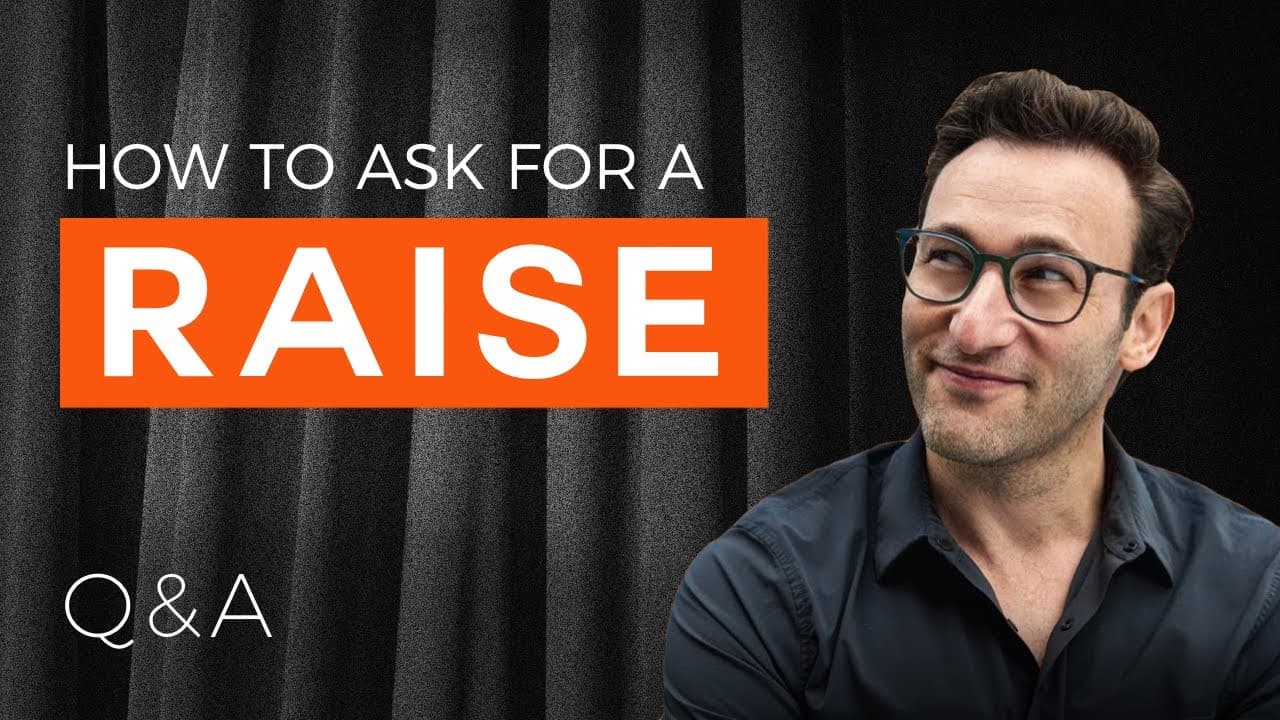
- A compensation discussion works best as a dialogue rather than a demand. Employees can request a dedicated conversation, express their desire to remain and grow, describe additional work, and ask which goals and schedule could lead to increased compensation over the short, medium, and long term.
Install to Summarize YouTube Videos and Get Transcripts
Explore YouTube Video Summarizer or Get YouTube Transcript Extractor
Questions & Answers
Q: Why do people who seem bad at their jobs get promoted?
People who appear ineffective may be promoted for two different reasons. Some are unqualified but skilled at managing up and creating a favorable impression, although their limitations may eventually be exposed. Others possess leadership qualities that their current role does not display clearly, such as listening, supporting colleagues, and helping people thrive. Strong individual performance is not the same as an ability to lead others.
Q: What skills can lead to a promotion besides strong performance?
Human skills can influence promotion decisions alongside the hard skills required for a job. Listening to colleagues, supporting their development, and helping them thrive may show that an employee can lead a team effectively. A person does not have to be the top individual performer to guide other people successfully, and promoting solely according to numerical results can damage a team.
Q: What is psychological safety in the workplace?
Psychological safety is a workplace condition in which people can admit mistakes, say they do not understand, request help or patience, and discuss personal difficulties affecting their work without fearing humiliation or retaliation. They also trust that speaking honestly will not harm their promotion prospects and that leaders or teammates will respond with practical support when difficulties arise.
Q: How does psychological safety help reduce employee burnout?
Psychological safety helps reduce burnout by making employees more willing to seek help for stress, anxiety, confusion, or personal problems affecting their work. When people expect a supportive response, they do not need to hide difficulties until those difficulties become more severe. Support from the team also reduces the sense of isolation that can accompany sustained workplace stress.
Q: Who is responsible for creating psychological safety at work?
Every member of a team shares responsibility for creating psychological safety. Leaders play an important role, but safety also depends on how colleagues respond when someone admits an error, asks for help, expresses uncertainty, or discusses a personal challenge. Constructive, patient responses reinforce trust and make future honesty more likely throughout the team.
Q: What should a new leader do when senior leadership undermines them?
A new leader should first examine whether their own presentation or conduct makes senior leaders feel threatened or defensive. If genuine undermining continues, they can raise the issue through a specific confrontation focused on feelings, behavior, and impact. General accusations are unlikely to work, while a concrete example gives the senior leader a clearer opportunity to listen and accept accountability.
Q: How can the FBI method improve a difficult conversation with a boss?
The FBI approach organizes a confrontation around feeling, behavior, and impact. The employee identifies a specific action, such as a boss quickly rejecting an idea during a particular meeting, then describes the concern and its possible effect on morale or productivity. This structure avoids vague accusations and makes it easier for the other person to understand the concern and take responsibility.
Q: How should an employee start a conversation about higher pay?
An employee should first ask to schedule a conversation specifically about pay or compensation, since money discussions can be uncomfortable and benefit from preparation. During the conversation, the employee can express commitment to the organization, describe learning and added responsibilities, and ask what goals and schedule could allow compensation to reflect that work. The aim is an open dialogue, not a yes-or-no demand.
Summary & Key Takeaways
-
Promotions do not always go to the strongest individual performers because leadership requires different abilities. Listening, supporting colleagues, and helping others thrive may matter more than personal output. Some poorly qualified employees advance by managing up, but their limitations may eventually become apparent when their performance can no longer support the image they created.
-
Psychological safety exists when employees can admit mistakes, request help, acknowledge confusion, or discuss personal difficulties without fearing humiliation, retaliation, or damaged promotion prospects. Support from leaders and teammates reduces isolation during stressful periods and can help limit burnout. Every team member shares responsibility for creating this supportive environment for colleagues.
-
Difficult discussions with leaders should begin with self-reflection and use specific examples instead of sweeping accusations. Compensation conversations work best as open dialogues about commitment, expanded responsibilities, goals, and timing. Both approaches give the other person room to listen, respond, accept accountability, and collaborate on practical next steps.
Read in Other Languages (beta)
Share This Summary 📚
Summarize YouTube Videos and Get Video Transcripts with 1-Click
Try YouTube Summary with ChatGPT & Claude or YouTube Transcript Generator
Explore More Summaries from Simon Sinek 📚





Summarize YouTube Videos and Get Video Transcripts with 1-Click
Try YouTube Summary with ChatGPT & Claude or YouTube Transcript Generator