How to Negotiate for Better Deals Every Time
TL;DR
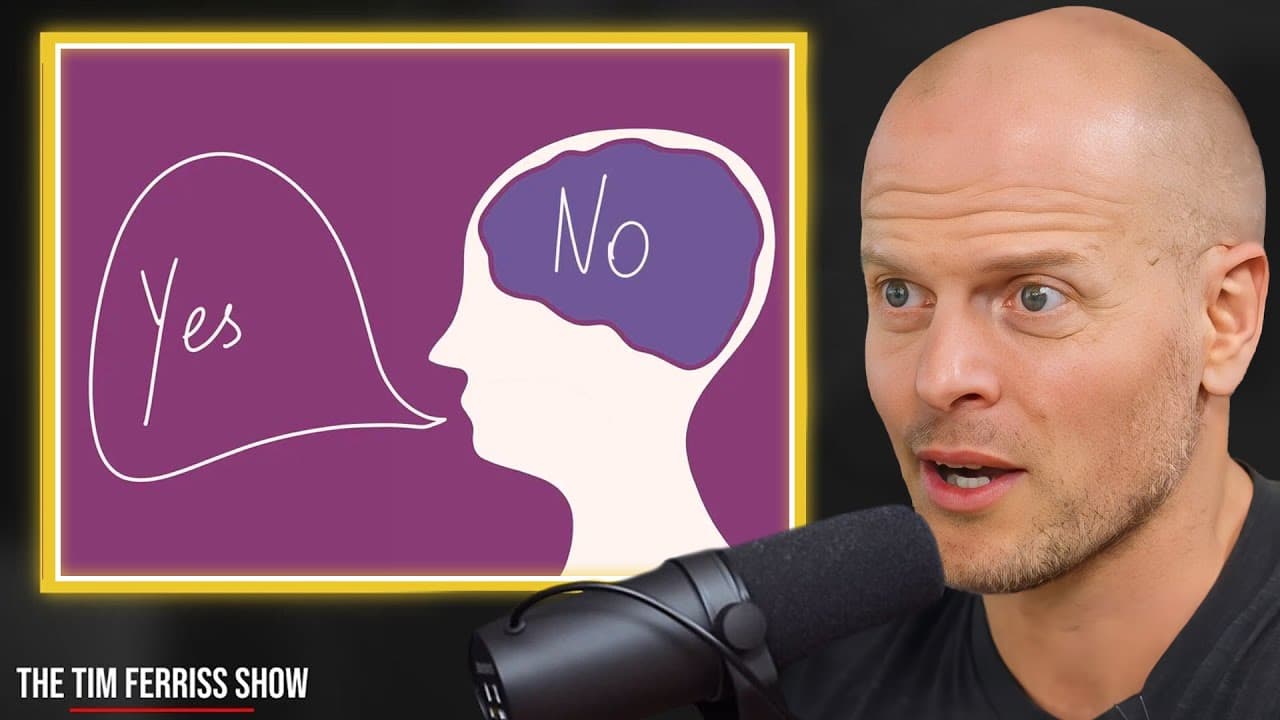
To negotiate effectively, approach conversations with humility and focus on mutual satisfaction. Regularly review your expenses to identify areas for negotiation, and be clear about the value you seek. After making an offer, resist the urge to speak, as silence can pressure the other party to make concessions.
Transcript
you are a very proactive negotiator and that can range from asking for a discount on coffee which I think we should revisit briefly yes dude to the 35 plan I believe that you had for covid right the I think it was maybe dropping sales goals assuming a 5% profit margin something like that yeah I'd like to know how you negotiate things down like what... Read More
Key Insights
- ❓ Approaching negotiations with humility can disarm counterparts and foster cooperation.
- ❓ Clarity regarding the value and justification of an offer is critical to effective negotiation.
- ❓ Regular expense reviews promote financial discipline and can uncover areas to negotiate reductions.
- 💄 The silence that follows making an offer can pressure the other party into making concessions.
- 🐕🦺 Negative service experiences can be transformed into negotiation opportunities with strategic communication.
- ♻️ Maintaining a positive negotiation environment encourages future collaborations and favorable outcomes.
- ❓ Emotional detachment during negotiations can improve decision-making and reduce conflicts.
- 🎙️ More videos with Noah Kagan:
Install to Summarize YouTube Videos and Get Transcripts
Explore YouTube Video Summarizer or Get YouTube Transcript Extractor
Questions & Answers
Q: What is the first strategy mentioned for effective negotiation?
The speaker suggests starting negotiations by claiming to be bad at negotiating. This counterintuitive approach can lower opponents' defenses and foster a more positive negotiating environment. By expressing a desire to understand the other party's needs, it shows a willingness to collaborate rather than confront, which can lead to a better deal for both sides.
Q: How does the speaker suggest approaching the value of an offer in negotiations?
The speaker stresses the need for clarity regarding the actual value being negotiated. Instead of just asking for a set price reduction, it is crucial to back up requests with data, such as comparable market prices. Providing substantive reasoning helps establish credibility and makes it easier to reach an agreement that feels fair to both parties.
Q: What is the significance of performing a biannual review of expenses mentioned in the content?
Conducting a biannual review allows for a thorough reassessment of all recurring costs associated with the business. By categorizing expenses based on their return on investment (ROI), decision-makers can identify which services are underperforming and prioritize renegotiation or cancellation efforts. This proactive approach aims to optimize costs and ensure the company's financial health.
Q: Why is it recommended to stay silent after making a price offer?
The speaker highlights the effectiveness of the strategy known as "shut the hell up" after stating an offer. Remaining silent puts pressure on the other party to respond and can lead to more favorable outcomes. This technique shifts the dynamic of the conversation and emphasizes the seriousness of the request, often leading to concessions or compromises.
Q: How can one negotiate with companies when facing poor service or delivery issues?
The speaker shares a personal experience of negotiating a discount after a delayed delivery. By utilizing a chargeback to signal dissatisfaction, it creates urgency for the company to address grievances. Transparency about the experience helps build rapport and sets the stage for negotiations that prioritize resolution over conflict.
Q: What is the importance of having a positive negotiating experience?
Establishing a positive atmosphere in negotiations, as emphasized by the speaker, is crucial for ensuring both parties feel encouraged to collaborate. This creates a foundation for future dealings, as neither party wants to burn bridges. A constructive relationship can lead to better terms and a willingness to work together long-term.
Q: What role does emotion play in negotiations according to the speaker?
The speaker advises against letting emotions dictate negotiation strategies, as this can cloud judgment and hinder constructive discussions. Instead, focusing on factual outcomes and solutions can streamline the process, helping to achieve desired results without unnecessary confrontation or defensiveness.
Q: What is a key takeaway about effective negotiation practices?
One crucial takeaway is to engage in negotiations with clarity and preparation. This involves understanding the market value of what you’re negotiating for and articulating your needs clearly. Combining this knowledge with confident negotiation tactics can significantly enhance success in obtaining better deals.
Summary & Key Takeaways
-
The speaker emphasizes the importance of approaching negotiations with a positive attitude, making it clear that they want both parties to feel satisfied with the outcome to facilitate future dealings.
-
Key strategies include expressing humility by stating a lack of negotiation skills, which helps lower defenses, and focusing on clarity of value to substantiate price requests.
-
Regular reviews of expenses and the art of staying silent after making an offer are highlighted as effective techniques for securing favorable terms in negotiations.
Read in Other Languages (beta)
Share This Summary 📚
Summarize YouTube Videos and Get Video Transcripts with 1-Click
Try YouTube Summary with ChatGPT & Claude or YouTube Transcript Generator
Explore More Summaries from Tim Ferriss 📚





Summarize YouTube Videos and Get Video Transcripts with 1-Click
Try YouTube Summary with ChatGPT & Claude or YouTube Transcript Generator