What Are Common Mistakes in Setting Up Motion Lights?
TL;DR
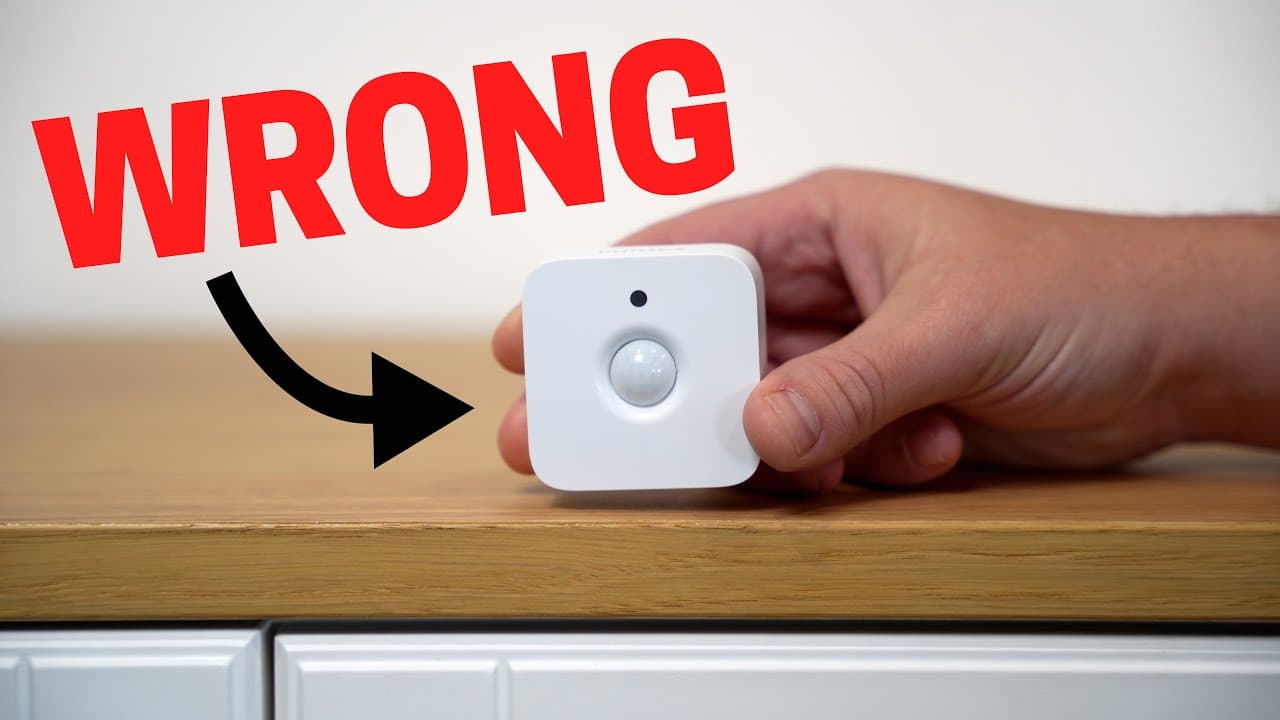
To avoid common mistakes in motion light setups, ensure you use the right type of sensor for each room and adjust the delay times based on the time of day. Proper positioning of sensors and incorporating physical switches can enhance functionality and prevent unwanted activations, leading to a seamless smart lighting experience.
Transcript
when motion lights work right it's one of the most satisfying things in my smart home I'll go days without touching any light switches it's great but motion lights are actually kind of tricky to set up correctly I've done it wrong so many times let me show you eight common mistakes that I've made over the years and how you can avoid them for this f... Read More
Key Insights
- 🗯️ Using the right type of motion sensor is crucial for different room scenarios to avoid disturbances.
- ⌛ Adjusting delay times for turning off lights based on the time of day can enhance the user experience.
- 🙂 Utilizing automation checks like energy monitoring or pressure sensors can prevent unwanted light activations during specific activities.
- 🖐️ Proper positioning of motion sensors plays a significant role in efficient detection of movement.
- 🙂 Incorporating physical switches alongside smart lights can offer manual control in case of automation failures.
- 🙂 Avoiding common mistakes in motion light automation can lead to seamless and hassle-free experiences.
- 🙂 Considering user activities and preferences when setting up motion light automations can prevent disruptions.
Install to Summarize YouTube Videos and Get Transcripts
Explore YouTube Video Summarizer or Get YouTube Transcript Extractor
Questions & Answers
Q: What is the importance of using the right type of motion sensor for different rooms?
Using the correct sensor type for each room is crucial to avoid unnecessary lighting activations, such as not placing basic sensors in bedrooms to prevent disturbances.
Q: How can one prevent lights from turning off abruptly when staying in a room for a while?
Using sensors like millimeter wave or ultrasound can ensure that the lights stay on until there is no movement efficiently, preventing issues with PIR sensors.
Q: What are some tips to improve motion light automation for various times of the day?
Creating separate automations with different delay times based on the time of day can enhance the user experience and prevent lights from turning off during essential activities.
Q: How can one ensure that motion lights do not disturb activities like watching a movie or napping?
Incorporating automation checks, such as energy monitoring outlets or pressure sensors under mattresses, can help in preventing unnecessary light activations during specific activities.
Summary & Key Takeaways
-
Setting up motion lights can be satisfying but tricky if done incorrectly.
-
Mistakes include using the wrong type of sensor for certain rooms and not adjusting delay times.
-
Proper positioning, sensor types, and automation checks can significantly improve motion light setups.
Read in Other Languages (beta)
Share This Summary 📚
Summarize YouTube Videos and Get Video Transcripts with 1-Click
Try YouTube Summary with ChatGPT & Claude or YouTube Transcript Generator
Explore More Summaries from Smart Home Solver 📚

Summarize YouTube Videos and Get Video Transcripts with 1-Click
Try YouTube Summary with ChatGPT & Claude or YouTube Transcript Generator