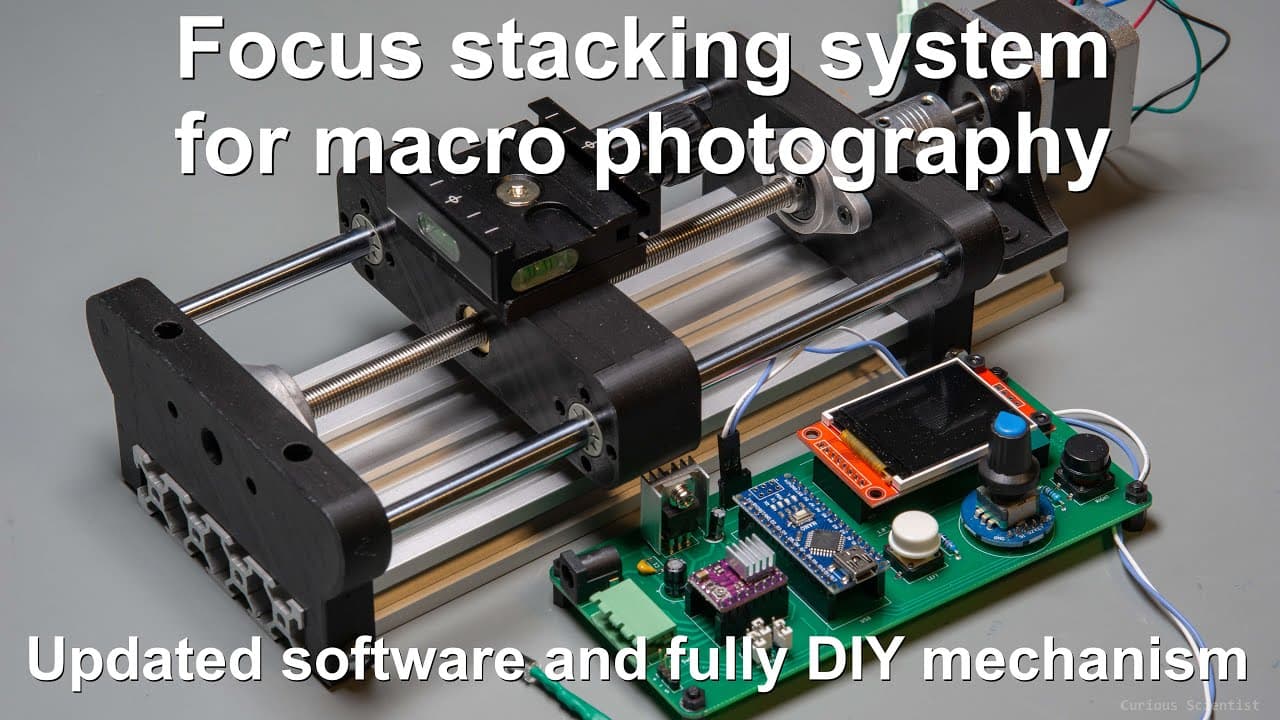
Precise focus stacking system - Custom designed rig and software updates
TL;DR
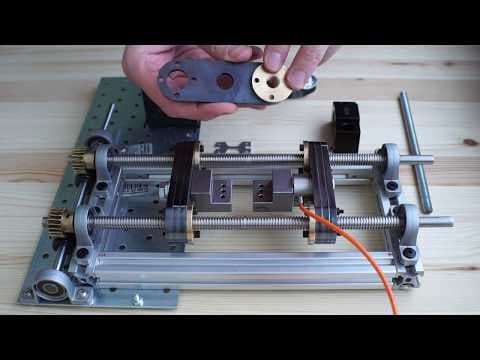
This video demonstrates how to create a focus stacking rig for sharp macro photography.
Transcript
this video is sponsored by pcba welcome everyone in this video I'm going to continue the work on my focus stacking rig in my previous video which you can check there at the corner I started to work on this project and then I have built a rig together with this PCB and I showed you that I can use my system to make a good and sharp macro photos using... Read More
Key Insights
- ❓ Focus stacking is a technique that enhances macro photography by combining multiple images to increase sharpness across the subject.
- 🧑🦼 The integration of a reliable stepper motor with suitable specifications is critical for achieving precision in focus motor movement.
- 🗯️ 3D printing technology enables the customization of photography rig components, fostering a DIY culture among photography enthusiasts.
- 🗯️ Community feedback plays a vital role in refining design elements, ensuring that the rig is optimized for user needs.
- 😄 The software improvements allow for greater ease of use, making it accessible to photographers of varying experience levels.
- 🏣 Effective post-processing techniques in Photoshop can significantly elevate the quality of macro images captured using focus stacking.
- 🗯️ The usability of the rig is enhanced through features like a quick-release mounting plate and infrared shutter control, making it compatible with various camera brands.
Install to Summarize YouTube Videos and Get Transcripts
Explore YouTube Video Summarizer or Get YouTube Transcript Extractor
Questions & Answers
Q: What is the purpose of a focus stacking rig in macro photography?
A focus stacking rig is essential in macro photography because it compensates for the shallow depth of field that comes with capturing close-up images. By moving the camera or subject in incremental steps, the rig allows the photographer to capture multiple images at different focus points, which are later combined to create a sharp final image across the entire frame.
Q: How does the new rig differ from the previous model discussed?
The new rig utilizes an improved design based on community feedback and personal ideas, incorporating 3D printed components and more effective mounting systems. It offers a more stable and precise operation compared to the previous model, which had greater vibrations due to the setup and a less efficient method of controlling camera movements.
Q: What specifications are important for the stepper motor used in the rig?
The video mentions that a Nema 17 stepper motor with 200 steps per turn is appropriate; however, a motor with 400 steps per turn is preferable for increased stability and precision. The fine motor control contributes to better focus stacking results, allowing for smaller incremental movements during photography.
Q: Can viewers replicate the focus stacking rig at home?
Yes, the creator encourages viewers to replicate the rig, noting that he will provide the 3D print files for free on his website. This accessibility allows hobbyists to construct their own rigs with similar components and designs, fostering innovation and experimentation in macro photography.
Q: What features are highlighted in the new focus stacking rig?
Key features of the new rig include a quick-release mounting plate for easy camera attachment, a lead screw mechanism for precise movements, and a flexible coupler design. Additionally, the rig can accommodate various camera models by allowing infrared shutter control, making it versatile for different photography setups.
Q: How is the software for the rig improved in this video?
The updated software allows users to easily adjust micro-stepping values and set the distance controls for various camera setups without the need to recompile the code. Additionally, it features a user-friendly menu for managing focus stacking parameters, making the rig more accessible for less experienced users.
Q: What steps are involved in post-processing the images in Photoshop?
Post-processing involves loading the stacked images into Photoshop via the "Load Files into Stack" script, auto-aligning the layers, and using the "Auto Blend Layers" feature to create a sharp final image. This streamlined process allows for efficient handling of multiple images captured during the focus stacking operation.
Q: Where can viewers find additional resources for building the rig and using the software?
Viewers can find additional resources, including 3D files, source code, and component lists, on the creator's website. Information about purchasing PCBs and accessing the code through Patreon for supporters is also provided, ensuring that interested individuals can fully engage with the project.
Summary & Key Takeaways
-
The video showcases the process of building a focus stacking rig designed to enhance macro photography by overcoming limited depth of field issues.
-
It explains the mechanics of the rig, including motor specifications and how the components were selected to ensure precision and stability during photography.
-
The creator demonstrates how to use the rig, take macro images, and blend them in Photoshop for sharp final results.
Read in Other Languages (beta)
Share This Summary 📚
Summarize YouTube Videos and Get Video Transcripts with 1-Click
Try YouTube Summary with ChatGPT & Claude or YouTube Transcript Generator
Explore More Summaries from Curious Scientist 📚
![Building a coil winder [Part 6] - A few improvements thumbnail](/_next/image?url=https%3A%2F%2Fi.ytimg.com%2Fvi%2F3eyxG_g2iUA%2Fhqdefault.jpg&w=750&q=75)
Summarize YouTube Videos and Get Video Transcripts with 1-Click
Try YouTube Summary with ChatGPT & Claude or YouTube Transcript Generator