How Could a Robot 3D Print a House in One Day?
TL;DR
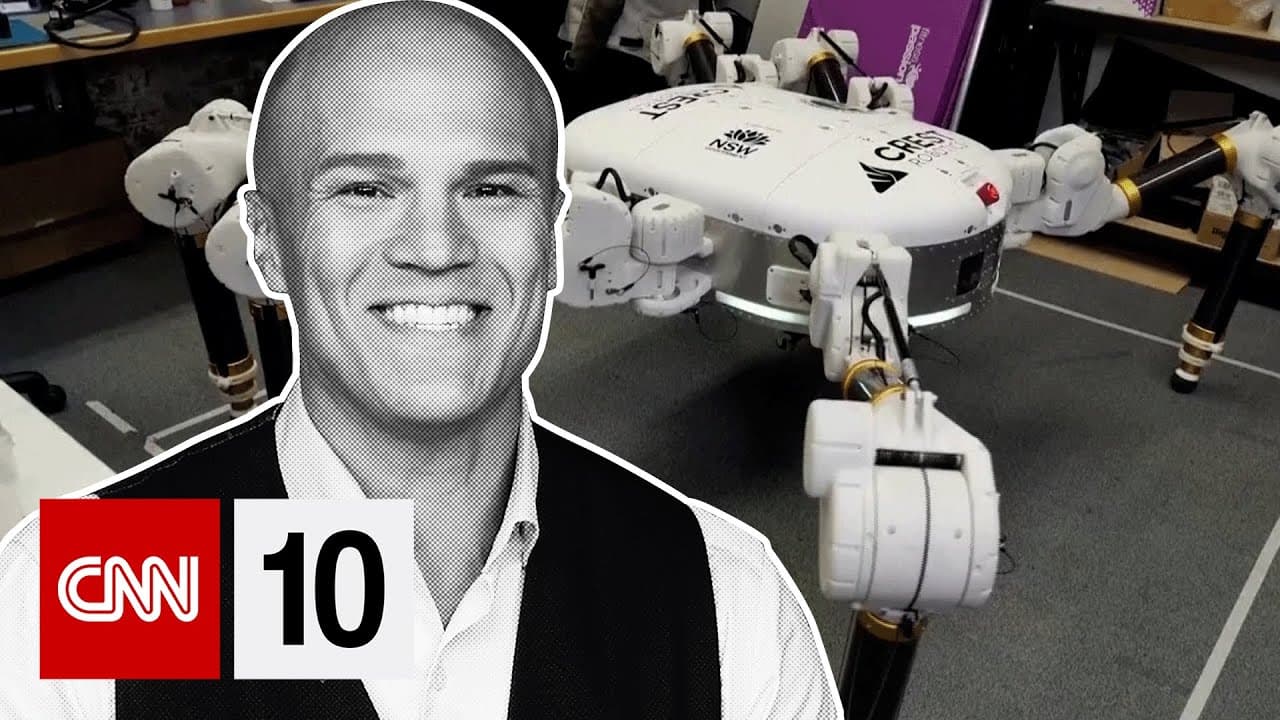
Charlotte, a spider-shaped Australian robot, could 3D print a full-sized house in one day by layering locally available materials such as sand, crushed rock, or recycled glass. Still in testing, the technology is intended to reduce construction time, costs, heavy equipment needs, crew sizes, and waste while helping address housing shortages, with possible future applications on the moon or Mars.
Transcript
What's up, sunshine? I'm Koi Wire. This is CNN 10, your 10 minutes of news, where I simply tell you the what, letting you decide what to think. I have some significant stories to share with you today, including some from you. So, let's get to it. We begin in Turkey, where two groundbreaking archaeological digs are rewriting what we know about early... Read More
Key Insights
- Charlotte is a spider-shaped robot from Australia designed to 3D print a full-sized house in one day. The machine remains in the testing phase, so its proposed advantages depend on whether the developing technology ultimately performs as its engineers intend.
- The robot builds structures by layering locally available materials instead of spinning silk. The materials named in the report include sand, crushed rock, and recycled glass, which are intended to support the construction of strong and more sustainable buildings.
- Charlotte is intended to address housing shortages and construction waste at the same time. Its rapid printing method could expand the speed of home construction while using material inputs that include recycled glass and reducing waste associated with conventional building processes.
- The proposed construction system does not require heavy cranes or large crews. Engineers believe that reducing those equipment and labor requirements could make homebuilding cheaper, cleaner, and quicker, although the robot is still being tested rather than used as an established construction method.
- The robot's possible future uses extend beyond Earth. Its development team believes related technology could eventually print shelters on the moon or Mars, allowing structures to be created in places where humans have not previously built homes.
- The Turkish settlements were built around 10,000 years ago and are older than Egypt's pyramids and Stonehenge. Archaeologists view the sites as evidence of a major transition when people began forming permanent communities near the end of the hunter-gatherer period.
- The archaeological evidence contains no indication of war during the beginning of sedentary life, according to an expert featured in the report. The sites include permanent dwellings, benches, and intricately carved and decorated monuments that reveal organized communal and cultural activity.
- The Housekeeping Olympics celebrates guest room attendants and environmental service workers who keep Las Vegas hotels operating. Its 35th annual competition transformed familiar duties into events including bed making, mop relays, toilet paper toss, and a danceoff.
Install to Summarize YouTube Videos and Get Transcripts
Explore YouTube Video Summarizer or Get YouTube Transcript Extractor
Questions & Answers
Q: How can Charlotte 3D print a house in one day?
Charlotte is designed to construct a full-sized house by depositing material in layers, following the basic approach of 3D printing. The spider-shaped Australian robot can use locally available inputs such as sand, crushed rock, or recycled glass. Its automated process is intended to produce walls quickly without hammers, heavy cranes, or large construction crews, although the machine remains in testing.
Q: What materials can the spider-shaped building robot use?
The spider-shaped robot can layer locally available materials such as sand and crushed rock to create structures. It can also use recycled glass, giving the proposed construction process a way to incorporate reused material. Engineers describe the resulting structures as strong and sustainable, with the choice of inputs helping the system reduce reliance on conventional construction resources and limit waste.
Q: How could Charlotte help address housing shortages?
Charlotte could help address housing shortages by 3D printing a full-sized house in one day, greatly accelerating the building process described in the report. Because it is designed to work without heavy cranes or large crews, it could also lower equipment and labor requirements. Engineers believe these characteristics could make housing construction cheaper, cleaner, and quicker if testing proves successful.
Q: How could 3D-printed houses reduce construction waste?
The proposed system could reduce construction waste by building walls through controlled layers of material rather than relying on the conventional process described in contrast to the robot. Charlotte can work with local sand, crushed rock, and even recycled glass. Engineers believe this combination of automated placement and alternative materials could make construction cleaner while addressing waste alongside the shortage of housing.
Q: Could the Charlotte robot build homes on the moon or Mars?
Charlotte's development team believes the technology could one day be used to print homes on the moon or Mars, including locations where humans have never built before. The concept fits a machine that layers available construction materials and does not require heavy cranes or large crews. However, Charlotte is currently still in testing, and the report presents off-Earth construction only as a future possibility.
Q: What do the archaeological sites in Turkey reveal about early communities?
The sites in southeastern Turkey provide evidence that people began living communally in permanent dwellings around 10,000 years ago, near the end of the hunter-gatherer period. These settlements are older than Egypt's pyramids and Stonehenge. Archaeologists have uncovered villages, benches, and intricately carved and decorated monuments, offering new clues about how settled communities and shared cultural practices emerged.
Q: Is there evidence of war in Turkey's earliest settlements?
An expert featured at the Turkish archaeological sites says there is no evidence of war from the beginning of sedentary life represented there. The expert suggests that the communities probably lived peacefully and remained closely connected to nature. The finding is presented as part of a broader picture of early permanent communal life, rather than proof that every ancient society was peaceful.
Q: What events are included in the Housekeeping Olympics?
The 35th annual Housekeeping Olympics in Las Vegas turns everyday hotel duties into organized competition. Housekeepers and custodians from prominent hotels participate in bed-making contests, mop relays, and toilet paper toss events, along with a danceoff. The tradition celebrates guest room attendants and environmental service workers whose daily efforts keep Las Vegas hotels clean and support the city's hospitality industry.
Summary & Key Takeaways
-
Archaeological sites in southeastern Turkey contain settlements and monuments built around 10,000 years ago, before Egypt's pyramids and Stonehenge. The discoveries indicate that people were establishing permanent communal dwellings near the end of the hunter-gatherer period, providing new evidence about the beginnings of settled life and organized human communities.
-
Charlotte is a spider-shaped construction robot from Australia that is being developed to 3D print a full-sized house in one day. Instead of using silk, the machine layers materials such as sand, crushed rock, or recycled glass, potentially creating strong structures with less construction waste, equipment, labor, time, and expense.
-
The episode also features student field trips focused on friendship, teamwork, religion, Japanese life, and biomes. It concludes with the 35th annual Housekeeping Olympics in Las Vegas, where hotel housekeepers and custodians compete in events such as bed making, mop relays, toilet paper toss, and a danceoff.
Read in Other Languages (beta)
Share This Summary 📚
Summarize YouTube Videos and Get Video Transcripts with 1-Click
Try YouTube Summary with ChatGPT & Claude or YouTube Transcript Generator
Explore More Summaries from CNN 10 📚




Summarize YouTube Videos and Get Video Transcripts with 1-Click
Try YouTube Summary with ChatGPT & Claude or YouTube Transcript Generator