How to win a chained 2v2v2 Manhunt in Minecraft
TL;DR
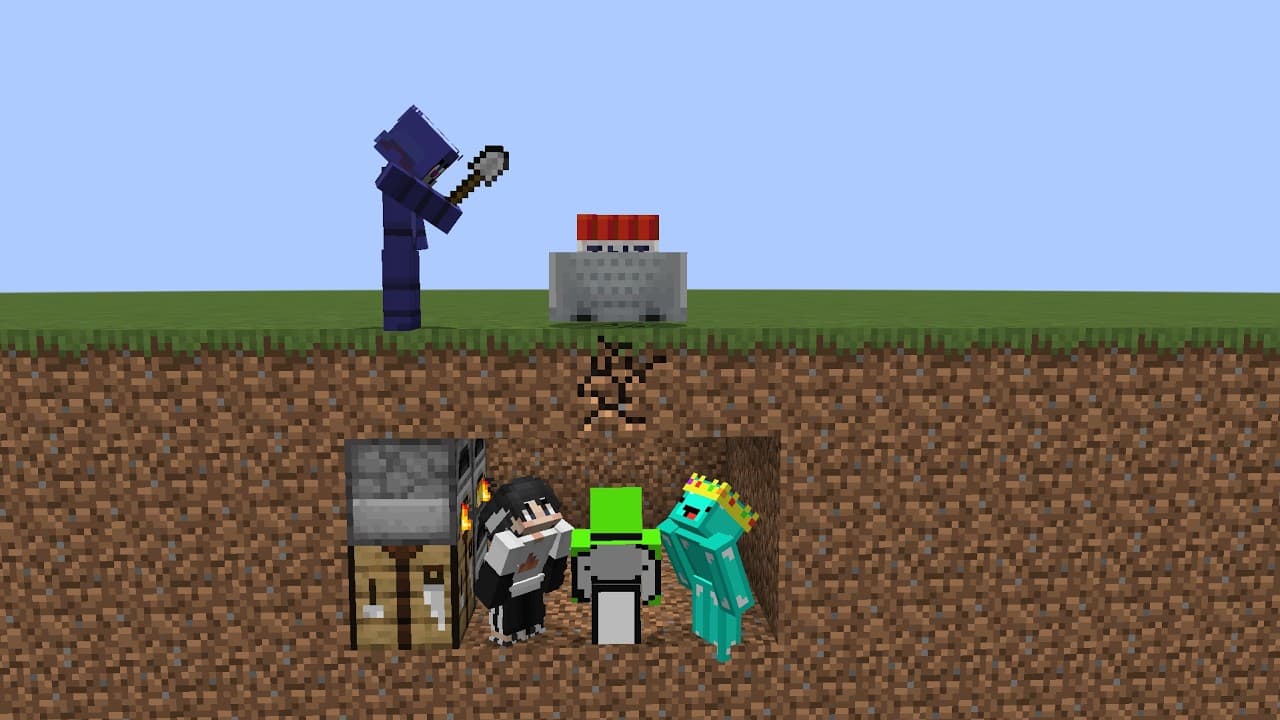
The key to victory is coordinating with a teammate to abolish the Ender Dragon while using chained movement and traps to slow rivals. The video shows planning, stealth, and raiding strategies, then culminates with an attempted win that hinges on a beds mechanic misunderstanding. It blends mischief with strategic play.
Transcript
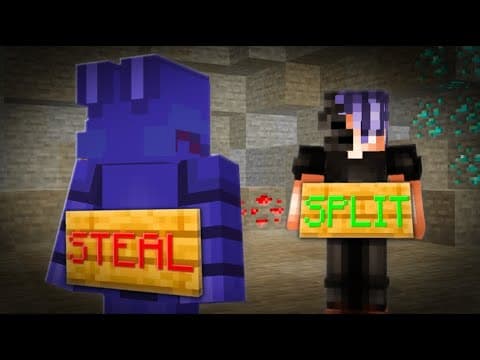
What happens when you put a trapper in a Manhunt video? Well, let's just say I don't think I'm getting invited back. Yeah, I kind of just bullied Dream Team for 4 hours and I thought it was too funny to not make into a video. So, without further ado, let me explain the rules of the game. Sapnap invited me to a 2v2v2 manhunt. It was going to be me a... Read More
Key Insights
- X shows a three teams of two setup where chained teammates must cooperate to reach the Ender Dragon first, creating a unique strategic framework that alters threat assessment and targeting priorities in real time.
- The key to success in this format is early planning, including negotiating with opponents, rushing resources, and setting up traps that exploit movement limitations from the chain mechanic.
- The strategy relies on a mix of stealth, diversion, and opportunistic fights to survive longer than rivals, while prioritizing the dragon fight as the ultimate objective that determines the winner.
- Trap planning is central, with attempts to push enemies into death traps and utilize the terrain to their advantage, illustrating how environmental control shapes outcomes in complex Manhunt rounds.
- Resource management matters, as traders, villagers, and swords with knockback are used to gain combat advantages and compensate for slower movement due to chaining, balancing offense with defense.
- The nether segment reveals how constant pressure and denial of access to resources can tilt the match, emphasizing map control and efficient exploration under time pressure.
- Information management is crucial, with teams attempting to glean treasure map locations and react to other teams completing objectives ahead of them, showing how information flow can alter tactics mid game.
- The ending twist demonstrates a classic risk of misremembering win conditions, highlighting how even skilled players can falter when the victory condition is misunderstood or forgotten in the heat of action.]
- Q_and_A:[{
- question
- A real search query question about the video (e.g. 'How to...', 'What is...', 'Why does...', 'When should...'). Question 1
- answer
- The end goal in this format is to reach and defeat the Ender Dragon while the chained teammates maintain coordination, which constrains movement and forces improvisation. The video details planning steps like role assignment, resource gathering, and trap setup, followed by executing the dragon fight under pressure and adapting to enemy interference. It emphasizes how teamwork and quick thinking convert planning into action under a challenging constraint.
- },{
- question
- Question 2
- answer
- In this video the players capitalize on trading sticks and weapons from villagers to build an early advantage, then they use traps to slow opponents and create openings. The plan relies on balancing offense with defense, leveraging environmental hazards, and exploiting the death mechanic to manage respawns, all within the chained two player constraint.
- },{
- question
- Question 3
- answer
- The critical moment occurs when a team attempts to win by killing the dragon after gathering blaze rods and ender pearls, but a misremembered mechanic—beds dealing damage—changes the outcome. The answer outlines how bed usage can alter the final approach and why understanding the exact win condition matters in high pressure moments.
- },{
- question
- Question 4
- answer
- The video explains how the chain mechanic complicates movement, causing delays and forcing teams to collaborate on navigation, trap placement, and retreat decisions. It also shows how to coordinate with a partner to optimize routes, manage resources, and time attacks against rival teams while staying connected.
- },{
- question
- Question 5
- answer
- A key strategic lesson is to anticipate rival approaches by observing treasure map progress and enemy location signals, then adjusting routes to intercept or negotiate before battles erupt. The plan emphasizes flexible tactics over rigid execution, enabling teams to pivot when plans encounter unexpected resistance.
- },{
- question
- Question 6
- answer
- The nether portion of the video demonstrates how to exploit limited resources by prioritizing blaze rods and pearls through careful exploration and trading, while opponents struggle with resource shortages. It highlights the importance of efficient travel, map awareness, and timely engagements to maintain the lead.
- },{
- question
- Question 7
- answer
- In the final moments the players reflect on the win condition and how a simple oversight altered the result. The takeaway is that even seasoned players must verify victory rules in chaotic games, and that strong teamwork can still deliver a comeback even after a misstep.
- },{
- question
- Question 8
- answer
- The video closes with a candid recap emphasizing playful rivalry, the value of planning and improvisation, and how audiences can leverage similar strategies in their own Manhunt rounds. It encourages viewers to test traps, coordinate effectively, and learn from missteps to improve future games.
- More videos from this channel:
- More from this channel: JudeLow
Install to Summarize YouTube Videos and Get Transcripts
Explore YouTube Video Summarizer or Get YouTube Transcript Extractor
Questions & Answers
Q: How is the win condition defined in a chained Manhunt and what tactics maximize success?
The win condition is to slay the Ender Dragon while being chained to a partner, which requires coordinated movement and timely resource gathering. Success depends on balancing stealth with aggression, planning trap layouts that exploit the chain constraint, and executing the final dragon fight with teammates providing support. The video demonstrates how early planning, efficient mining, and strategic negotiations can create decisive advantages, culminating in a dragon kill that ends the round. The approach relies on maintaining pressure on rivals, controlling key artifacts, and ensuring both players contribute to the objective without breaking their chain linkage.
Q: What traps or environmental tactics are used to slow rivals?
The players plan to trap enemies by burying them under sand and using death menus to delay respawns, creating opportunities to escape or finish the job. They also rely on mining and engineered ambushes to disrupt opponents during nether travel, and they aim to push rivals into designed death zones. These tactics hinge on map knowledge, quick placement of blocks, and the constraint of chained movement that amplifies the impact of careful, well-timed setups.
Q: How do trading and village resources influence the match?
Trading with villagers provides early weapon upgrades and armor advantages, which help offset the disadvantage of being chained. By securing fire swords and knockback swords, the players gain offensive options that compensate for slower travel and allow for stronger engagements. The strategy also prioritizes acquiring traps and mining supplies, using the village as a resource hub to accelerate progression toward the Ender Dragon encounter.
Q: What mistake changes the outcome in the climax?
A misremembered win condition involving beds alters the final approach, and the players realize the beds deal significant damage when ending the battle. This error illustrates how quick thinking and precise knowledge of rules are crucial in high pressure moments, especially when timing final blows can determine victory or a dramatic comeback.
Q: How does the chain mechanic affect navigation and strategy?
The chain restricts two players from moving freely, making coordinated navigation essential. Strategies focus on synchronized routes, sharing information about map features, and planning ambushes where one player can support the other. This constraint elevates the importance of communication, planning, and flexible tactics to capitalize on opportunities while staying tied to a partner.
Q: What role does the Nether play in the plan?
The Nether is used to pursue resources and keep pressure on rivals, with players trying to gather blaze rods and pearls despite opponents dying or failing to progress. The segment shows how nether exploration must be efficient, using limited time and maintaining map control to stay ahead in the race to the Ender Dragon.
Q: What lessons about teamwork does the video convey?
The video highlights that teamwork, planning, and adaptability matter more than brute force. Coordinating trap layouts, resource gathering, and a balanced offense with defense enables teams to outmaneuver stronger but unfocused opponents. It also shows that even with clever plans, missteps can occur, so resilience and quick recalibration are essential in competitive Minecraft rounds.
Q: What is the final takeaway for viewers interested in Manhunt strategies?
Viewers are encouraged to test coordinated traps, efficient resource gathering, and careful timing in their own Manhunts. The takeaway is to practice teamwork, to verify win conditions before acting, and to use environmental advantages to turn the tide. The video combines humor and strategy to illustrate how careful planning and flexible execution produce compelling, repeatable gameplay advantages.
Summary & Key Takeaways
-
Summary point 1: The video outlines a three-team round of Manhunt where players are chained to a partner, creating constraints that influence movement, combat, and decision making throughout the match in a way that tests teamwork and improvisation.
-
Summary point 2: The narrator and partner attempt traps, exploit trading, and resource gathering to gain an edge, including using sand burial and a death menu mechanic to control opponents during the chase and after deaths.
-
Summary point 3: The climax centers on gathering blaze rods and ender pearls, reaching the End to fight the dragon, and a final misstep where the winning condition hinges on beds dealing damage, revealing how execution under pressure can flip the outcome.
Read in Other Languages (beta)
Share This Summary 📚
Summarize YouTube Videos and Get Video Transcripts with 1-Click
Try YouTube Summary with ChatGPT & Claude or YouTube Transcript Generator
Explore More Summaries from JudeLow 📚


Summarize YouTube Videos and Get Video Transcripts with 1-Click
Try YouTube Summary with ChatGPT & Claude or YouTube Transcript Generator