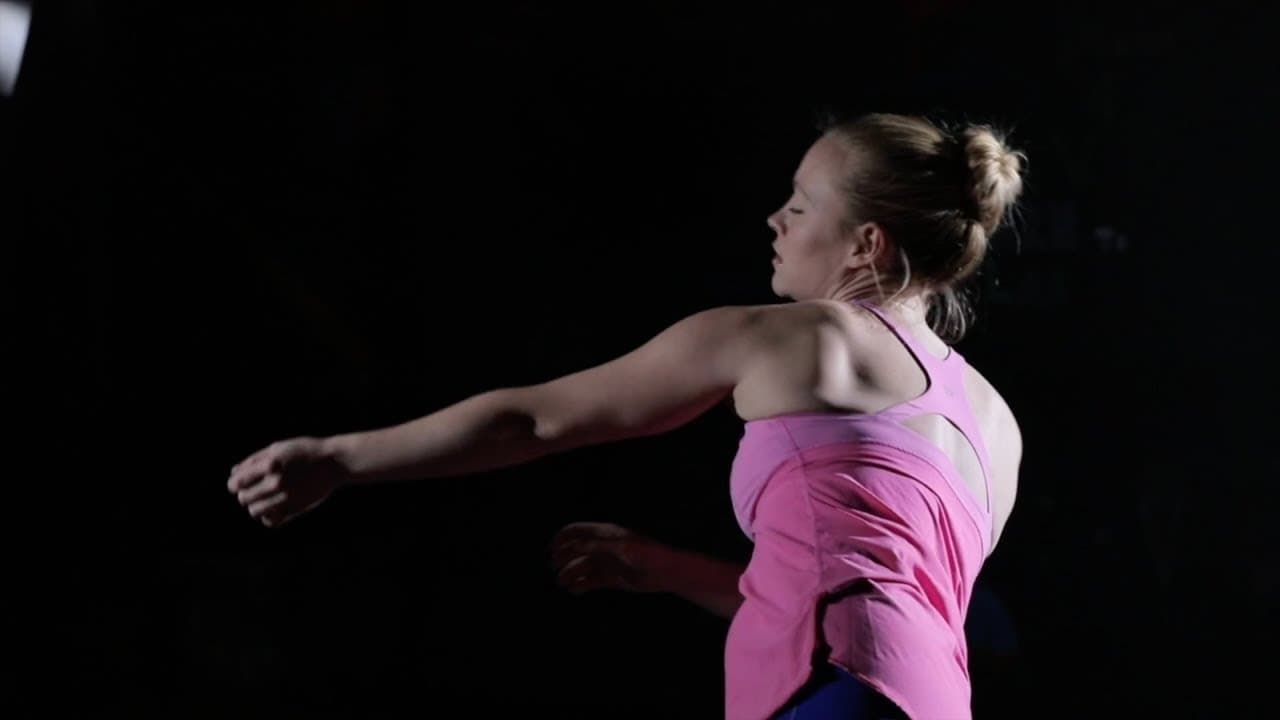
Gaga dancers: movement language
Transcript
Read and summarize the transcript of this video on Glasp Reader (beta).
Install to Summarize YouTube Videos and Get Transcripts
Explore YouTube Video Summarizer or Get YouTube Transcript Extractor
Summary
In this video, Mario Alberto Zambrano, a lecturer in theater, dance, and media at Harvard University, introduces Gaga, a movement language created by choreographer Ohad Naharin. Gaga allows individuals to explore different areas of their body and space, creating their own time for research and impacting their daily lives.
Questions & Answers
Q: Who created Gaga?
Gaga was created by Ohad Naharin, a choreographer and the artistic director of Batsheva Dance Company in Tel Aviv.
Q: How does Gaga allow individuals to explore their body and space?
Gaga enables individuals to explore different areas of their body and the space around them, allowing them to go beyond their previous limitations and discover new possibilities.
Q: How does Gaga impact individuals outside of the classroom?
Gaga's influence extends beyond the classroom, impacting individuals in their daily lives. It allows them to create their own time and space for research, which can have a profound effect on their overall well-being.
Q: How would you describe Gaga?
Gaga can be described as open, unrestricted, dynamic, hectic, peaceful, and even a celebration. It is a movement language that encompasses a wide range of experiences and emotions.
Q: What is the significance of Gaga in the context of dance and movement?
Gaga challenges traditional notions of dance and movement by encouraging individuals to explore their own unique ways of moving and expressing themselves. It offers a fresh perspective and opens up new possibilities in the world of dance.
Q: How does Gaga impact the mind-body connection?
Gaga emphasizes the mind-body connection by encouraging individuals to be present in their bodies and to listen to their sensations and impulses. It helps individuals develop a deeper understanding and awareness of their bodies.
Q: Can you give an example of how Gaga can be transformative for individuals?
One example of Gaga's transformative power is how it allows individuals to tap into their own creativity and research. This can have a profound impact not only on their dance abilities but also on their personal and professional lives.
Q: How does Gaga foster a sense of community and collaboration?
Gaga creates a supportive and collaborative environment where individuals can learn from each other and share their experiences. It fosters a sense of community and encourages individuals to support and uplift one another.
Q: What are some common misconceptions about Gaga?
One common misconception about Gaga is that it is only for professional dancers. In reality, Gaga is accessible to people of all levels and backgrounds, and anyone can benefit from its principles and practices.
Q: How can someone get started with Gaga?
To get started with Gaga, individuals can attend classes or workshops led by certified Gaga teachers. These classes provide a safe and supportive space for individuals to explore and develop their movement capabilities.
Takeaways
Gaga, a movement language created by Ohad Naharin, offers individuals the opportunity to explore their bodies and space in new and innovative ways. It goes beyond traditional dance and movement practices, encouraging individuals to tap into their creativity, research, and personal experiences. Gaga fosters a sense of community and collaboration, providing a supportive environment for growth and self-discovery. Regardless of one's level or background, Gaga is accessible and can have a transformative impact on individuals' lives both inside and outside of the classroom.
Read in Other Languages (beta)
Share This Summary 📚
Summarize YouTube Videos and Get Video Transcripts with 1-Click
Try YouTube Summary with ChatGPT & Claude or YouTube Transcript Generator
Explore More Summaries from Harvard University 📚

Summarize YouTube Videos and Get Video Transcripts with 1-Click
Try YouTube Summary with ChatGPT & Claude or YouTube Transcript Generator