Why Is Hiroshima Not a Nuclear Wasteland?
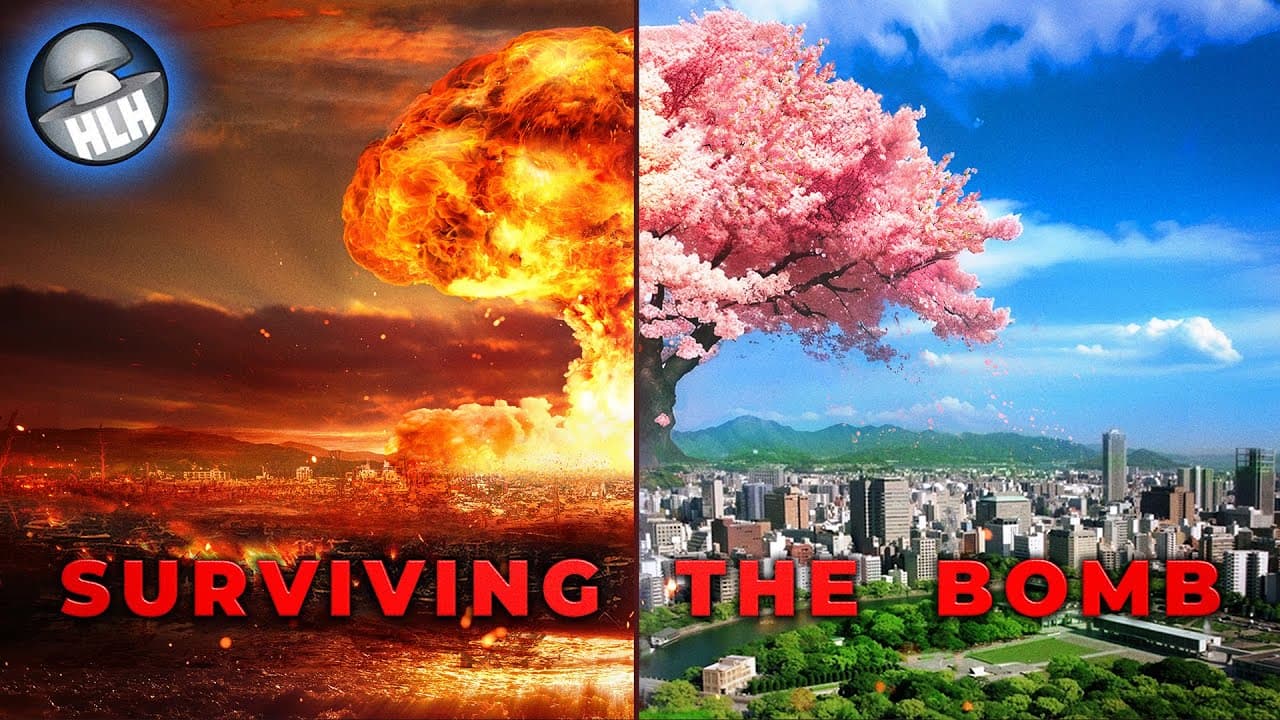
TL;DR
Hiroshima is not a nuclear wasteland because the atomic bomb dropped in 1945 was detonated in an air burst, resulting in minimal long-term radiological fallout. The city has thrived since, with a healthy population and a vibrant culture, demonstrating resilience and effective recovery efforts. Today, Hiroshima serves as a monument to the past and a symbol of human endurance.
Transcript
in the waning days of World War II the United States government decided to conclusively and decisively end the war with Japan with a hitherto unbelievably powerful weapon the atomic bomb in the August of 1945 a 15 kiloton nuclear warhead was dropped in the Japanese city of Hiroshima where I'm standing right now Hiroshima remains one of the only two... Read More
Key Insights
- 🫢 Hiroshima was chosen as the target for the atomic bomb due to its strategic location and potential shock value.
- 💆 The immediate effects of the bomb were devastating, causing mass casualties and reducing the city to rubble.
- ❓ Hiroshima's recovery can be attributed to its resilience, the absence of significant nuclear fallout, and the efforts of its citizens.
- 🧍 The city stands as a reminder of the need for the elimination of nuclear weapons and the enduring spirit of humanity.
- 🏙️ Unlike other cities affected by nuclear disasters, Hiroshima remains inhabited and has become a thriving tourist destination.
- 😷 The bomb's impact introduced acute radiation syndrome, which was previously unknown to medical professionals.
- 👱 The long-term health effects of the bomb were minimal due to the nature of the air burst and the decay of radiation over time.
Install to Summarize YouTube Videos and Get Transcripts
Explore YouTube Video Summarizer or Get YouTube Transcript Extractor
Questions & Answers
Q: How did Hiroshima survive the atomic bomb?
Hiroshima's survival can be attributed to a combination of historical and physical factors. The bomb's impact was intended to shock the Japanese leadership and end the war quickly.
Q: What were the immediate effects of the atomic bomb on Hiroshima?
The bomb led to the death of an estimated 70,000 to 80,000 people, with a significant portion of the city's buildings reduced to rubble. Many survivors suffered from acute radiation syndrome, which doctors had never encountered before.
Q: Did Hiroshima experience long-term health effects from nuclear fallout?
Hiroshima, being an air burst, experienced little to no long-term health effects from nuclear fallout. By the time the radiation in the cloud cooled down enough to pose a risk, it had already become diffuse.
Q: How has Hiroshima transformed from the devastation caused by the atomic bomb?
Despite its scars, Hiroshima has transformed into a thriving city with a population of over one million people. It has become a tourist destination and a living monument to the resilience of the human spirit.
Summary & Key Takeaways
-
In 1945, the United States dropped an atomic bomb on Hiroshima to end the war with Japan, causing widespread destruction and death.
-
Hiroshima quickly recovered and is now a thriving city, thanks to its history and the physics of the bomb's impact.
-
The bombing resulted in a high number of casualties, extensive damage to buildings, and the introduction of acute radiation syndrome.
Read in Other Languages (beta)
Share This Summary 📚
Summarize YouTube Videos and Get Video Transcripts with 1-Click
Try YouTube Summary with ChatGPT & Claude or YouTube Transcript Generator
Explore More Summaries from Kyle Hill 📚
![🔴 Viral "Hanger Reflex" Explained! | [OFFICE HOURS] Podcast 090 thumbnail](/_next/image?url=https%3A%2F%2Fi.ytimg.com%2Fvi%2F-GQPNu0erKc%2Fhqdefault.jpg&w=750&q=75)


![What Made MEGALODON So Huge? | [OFFICE HOURS] Podcast #025 thumbnail](/_next/image?url=https%3A%2F%2Fi.ytimg.com%2Fvi%2F2F_zCTfPt-I%2Fhqdefault.jpg&w=750&q=75)


Summarize YouTube Videos and Get Video Transcripts with 1-Click
Try YouTube Summary with ChatGPT & Claude or YouTube Transcript Generator