How to Negotiate Using Tactical Empathy
TL;DR
Calm tense negotiations by using a soothing voice and labeling the other person’s emotions instead of immediately offering advice. Naming negative feelings can reduce their intensity, while recognizing positive qualities can reinforce confidence, help people regain emotional balance, and empower them to reach their own conclusions.
Transcript
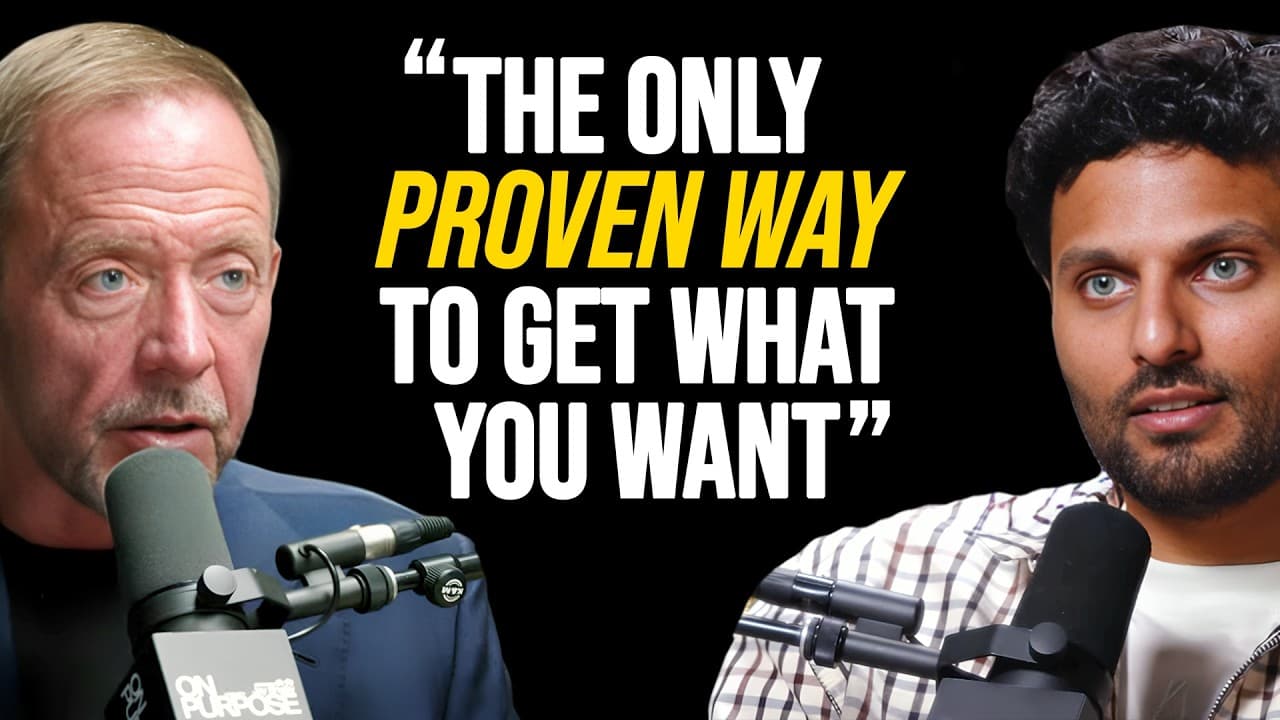
how do I negotiate a better salary boss is there listening and I said ask him this question Chris Boss retired FBI special agent former lead International kidnapping negotiator an author of never split the difference we don't really see the great negotiators as great negotiators one of the greatest negotiators got to be Oprah Winfrey what are women... Read More
Key Insights
- A soothing voice can lower the emotional temperature at the beginning of a difficult conversation. Voss naturally used what he calls a late-night FM DJ voice during his first suicide hotline call, and his supervisor identified that calm delivery as an effective opening.
- Emotion labeling is the practice of stating the feeling or condition detected in another person’s words. Voss recommends labeling what is heard without immediately trying to fix the problem, because recognizing an emotion can help the person process it and regain emotional balance.
- Calling out a negative emotion can deactivate some of its force. When a distressed caller sounded overwhelmed, Voss said that he sounded frantic, and the caller immediately became calmer. The example shows how accurate observation can be more useful than instant advice.
- Recognizing positive qualities can reinforce a person’s existing strengths. Voss told the caller that his family sounded close and that he sounded determined. The caller’s voice became stronger, he affirmed his determination, and he concluded that he could continue with his planned car trip.
- Advice can leave a distressed person dependent on the adviser rather than confident in personal judgment. Acting as a sounding board helps people identify their own answers, making them more likely to believe they can solve a similar problem again when assistance is unavailable.
- Empathy is a practical process for accelerating positive outcomes in tense conversations. Voss learned this while volunteering on a suicide hotline, where he focused on becoming teachable and following the established method before applying those skills to hostage negotiation.
- Negotiation is frequently avoided because it is mistaken for conflict, argument, or debate. People may accept an unwanted price or outcome because they fear an altercation, even though negotiation can instead function as a collaborative conversation built around understanding the other person.
- Communication styles can be grouped into assertive, analyst, and accommodator tendencies, according to Voss and his team. Analysts may avoid conflict because it appears inefficient and destructive, while relationship-oriented accommodators may avoid it because it feels unpleasant and damages interpersonal harmony.
- More videos from this channel:
- More from this channel: Jay Shetty Podcast
Install to Summarize YouTube Videos and Get Transcripts
Explore YouTube Video Summarizer or Get YouTube Transcript Extractor
Questions & Answers
Q: How can you calm someone during a tense conversation?
Begin with a calm, soothing tone and then describe the emotion you hear. Voss calls his preferred delivery the late-night FM DJ voice. Instead of rushing to solve the problem, say something such as, “You sound frantic.” In his suicide hotline example, that simple observation immediately reduced the caller’s distress and created room for a more constructive conversation.
Q: What is emotion labeling in negotiation?
Emotion labeling means putting a concise name on the emotion or condition you detect in another person’s words. The label can address a negative state, such as sounding frantic, or a positive quality, such as determination. Voss presents labeling as a way to help people understand their own experience, settle emotionally, and continue thinking without being overwhelmed.
Q: Why can labeling negative emotions make a conversation easier?
Labeling a negative emotion acknowledges what the other person is experiencing without arguing against it or immediately supplying a solution. Voss says that simply calling out a negative emotion is an effective way to deactivate it. In his example, telling a distressed caller that he sounded frantic produced an immediate change, allowing the caller to speak with greater stability.
Q: How can positive labels help someone regain confidence?
Positive labels draw attention to strengths and support that the person may already possess. Voss told a caller that his family sounded close and later observed that he sounded determined. The caller’s voice strengthened, he agreed that he was determined, and he reached his own conclusion that he could follow through with the next day’s planned car trip.
Q: Why is listening sometimes better than giving advice?
Advice can produce an answer without giving the recipient a sense of ownership over it. If the adviser is absent later, the person may again feel lost. Voss argues that a strong sounding board guides people toward their own conclusions. Reaching an answer personally can restore self-belief and create confidence that the person can navigate a similar challenge again.
Q: How did Chris Voss become an FBI hostage negotiator?
Voss initially worked on SWAT teams and wanted to remain involved in crisis response after reinjuring his knee. He was first rejected from the negotiation team because he lacked the necessary qualifications. After asking what he could do, he was told to volunteer on a suicide hotline, where he learned a structured approach centered on empathy and emotional intelligence.
Q: Why do many people avoid negotiation?
Many people associate negotiation with conflict, argument, or an unpleasant confrontation. That fear can lead someone to accept a plumber’s price or a store’s terms without asking for an adjustment. Voss explains that two of the three communication tendencies he identifies, analysts and accommodators, commonly dislike conflict, although their reasons for avoiding it differ.
Q: What are the three negotiation personality types described by Chris Voss?
Voss and his team describe three broad tendencies: assertive, analyst, and accommodator. Analysts approach situations like chess, considering many moves, possibilities, and percentages, so they may view conflict as inefficient and destructive. Accommodators are relationship-oriented and may avoid conflict because it feels ugly or harmful. The framework is presented as independent of gender, ethnicity, and religion.
Summary & Key Takeaways
-
Chris Voss moved from an FBI SWAT team into hostage negotiation after reinjuring his knee. Although initially rejected as unqualified, he followed advice to volunteer on a suicide hotline. That experience taught him a structured process based on empathy and emotional intelligence, which gave him confidence when handling later crises.
-
A calm, soothing voice and emotion labeling form the core of Voss’s approach. On the suicide hotline, he named a caller’s frantic state, recognized the closeness of the caller’s family, and affirmed the caller’s determination. These observations reduced distress, restored confidence, and helped the caller decide on a course of action.
-
Negotiation is often avoided because people interpret it as conflict. Voss divides communication tendencies into assertive, analyst, and accommodator types, with analysts and accommodators generally disliking conflict for different reasons. He reframes effective negotiation as collaborative communication that helps people feel understood and participate in finding a workable outcome.
Read in Other Languages (beta)
Share This Summary 📚
Summarize YouTube Videos and Get Video Transcripts with 1-Click
Try YouTube Summary with ChatGPT & Claude or YouTube Transcript Generator
Explore More Summaries from Jay Shetty Podcast 📚




Summarize YouTube Videos and Get Video Transcripts with 1-Click
Try YouTube Summary with ChatGPT & Claude or YouTube Transcript Generator