What Machiavelli Says About the Hidden Cost of Being Good
TL;DR
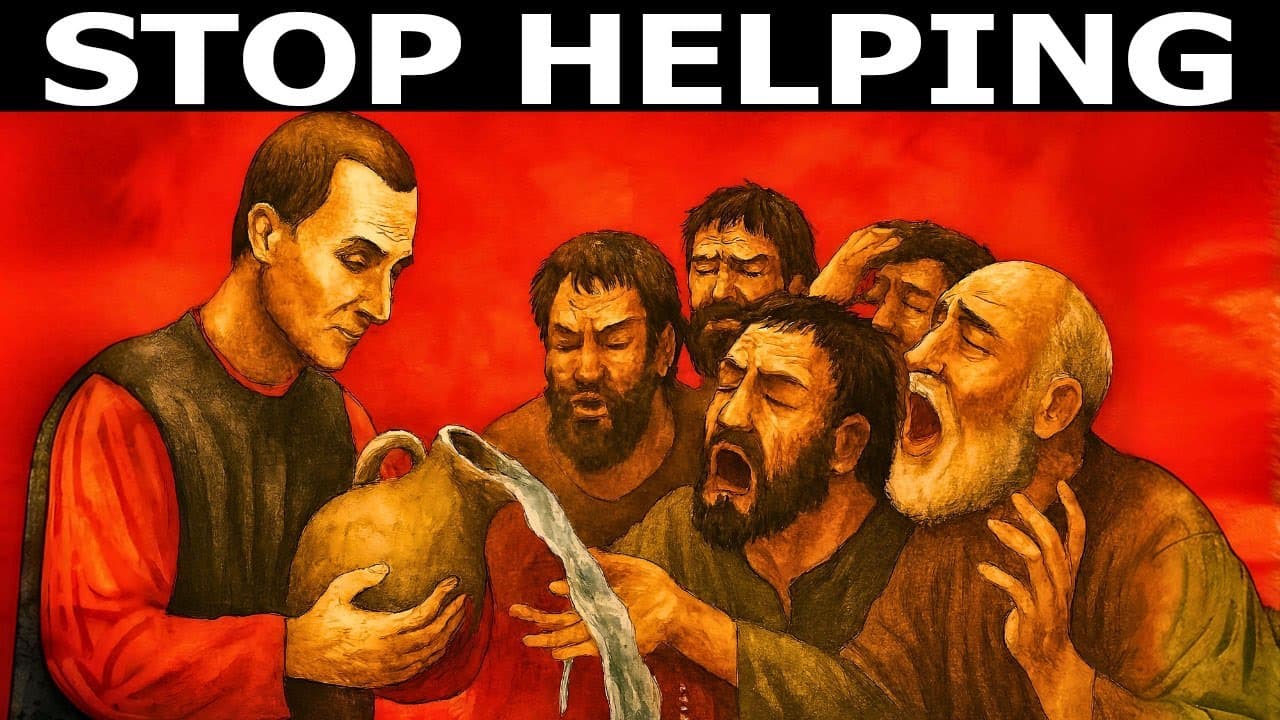
Being good can carry a hidden cost when constant kindness makes you predictable, drains finite energy, and teaches others to expect your help. The transcript recommends “strategic goodness”: set boundaries and deploy mercy, honesty, and generosity deliberately rather than blindly. Its examples, from the overlooked team manager to people remembering one refusal after nine approvals, show why timing and scarcity matter, so read on to learn how kindness can become strength.
Transcript
Stop right there. Before you scroll away, let me ask you something that will change how you see the world forever. Do you think being good keeps you safe? Do you believe that kindness protects you? That generosity builds loyalty? That honesty earns respect? If you answered yes to any of these questions, you're about to discover the most dangerous l... Read More
Key Insights
- Goodness functions as exposure, not security, because consistent kindness makes people see you as predictable, someone who won't fight back, say no, or push back, which signals that you can be taken advantage of.
- Nice people are often passed over for leadership because, as the video's team-manager example shows, they look like servants rather than leaders even when they always cover for and prioritize their team.
- The generosity trap works through hedonic adaptation: repeated help becomes expected 'normal,' so people forget the nine times you said yes and remember only the one time you said no, casting you as selfish.
- Constant generosity builds addiction and dependency rather than loyalty, so people get angry when the supply of giving is cut off, the same way an addict reacts when their supply ends.
- Society judges appearances over reality, so maintaining power requires wearing the mask of virtue, showing goodness strategically about when, how, and to whom, while keeping control beneath the surface.
- Power has an economics: time, energy, and resources are finite, so unlimited kindness drains your strength until you become a burden who needs rescuing, like ignoring the airplane rule to put your own oxygen mask on first.
- Saying yes to everyone means saying no to yourself; the most generous people in history said no to most things so they could say yes to the right things in a big way.
- Virtues like mercy, honesty, and generosity should be used like a sword wielded by a skilled warrior at the right moment, deployed intentionally for maximum effect rather than kept blindly on display.
Install to Summarize YouTube Videos and Get Transcripts
Explore YouTube Video Summarizer or Get YouTube Transcript Extractor
Questions & Answers
Q: What does Machiavelli say about the hidden cost of being good?
The transcript argues that consistent goodness can expose you to exploitation rather than keep you safe. When people expect that you will never refuse, resist, or set boundaries, kindness can damage your energy, relationships, career, and dreams.
Q: Why can being consistently kind make you vulnerable?
Consistent kindness makes your behavior predictable: people assume you will not fight back, say no, or stop them from crossing boundaries. The transcript says this can turn someone into the office doormat, the friend who always pays, or the family member who helps even when it hurts.
Q: What is the generosity trap?
The generosity trap occurs when repeated help changes from an appreciated gift into an expectation. After helping 10 times, people may overlook the nine times you agreed and focus on the one time you refused, treating you as selfish.
Q: Why does repeated generosity lose its impact?
The transcript attributes this to hedonic adaptation: people quickly become accustomed to good things. What once seemed exceptional becomes normal and invisible, while a single refusal stands out and is remembered.
Q: Why might constant generosity create dependency instead of loyalty?
Always paying, driving, or helping can teach people to depend on your giving rather than reciprocate it. Once that supply stops, entitlement can become anger or resentment, so the transcript describes the result as addiction rather than loyalty.
Q: What does the lion-and-fox metaphor mean for kind people?
The lion can frighten wolves but cannot recognize traps, while the fox can recognize traps but cannot defend itself from wolves. The transcript uses this metaphor to recommend combining awareness with strength instead of behaving like a defenseless sheep.
Q: How can you be good without being exploited?
Practice strategic goodness by deciding when, how, and toward whom you extend kindness. Set boundaries, protect your finite time and energy, and use mercy, honesty, and generosity deliberately instead of making them permanently available.
Q: How can excessive kindness affect leadership and work?
The transcript describes a team manager who always helped, covered for his staff, and put their needs first but was passed over for promotion. Its explanation is that unbounded helpfulness can make someone appear more like a servant than a leader, while routinely staying late can become an unnoticed expectation.
Summary & Key Takeaways
-
Machiavelli's hidden truth is that goodness does not automatically protect you; it can burn through your relationships, career, and dreams. Consistent kindness makes you predictable and vulnerable, teaching people you won't fight back, so they exploit your goodness rather than respect it, turning you into the office doormat everyone uses.
-
Generosity creates short-term applause but breeds dependency, entitlement, and resentment. Because humans adapt to good things quickly, repeated kindness becomes invisible and expected while a single refusal stands out and gets remembered. Machiavelli noted benefits conferred gradually taste better, since scarcity creates value and abundance destroys it.
-
The solution is strategic goodness, not evil. Wear the mask of virtue, guard your finite time and energy like putting your oxygen mask on first, and use mercy, honesty, and generosity like weapons deployed precisely at the right moment. Show strength and softness through timing, controlling your image to convert goodness into power.
Read in Other Languages (beta)
Share This Summary 📚
Summarize YouTube Videos and Get Video Transcripts with 1-Click
Try YouTube Summary with ChatGPT & Claude or YouTube Transcript Generator
Explore More Summaries from Dark Psychology Coded 📚

Summarize YouTube Videos and Get Video Transcripts with 1-Click
Try YouTube Summary with ChatGPT & Claude or YouTube Transcript Generator