How to turn intelligence into influence with Machiavelli style
TL;DR
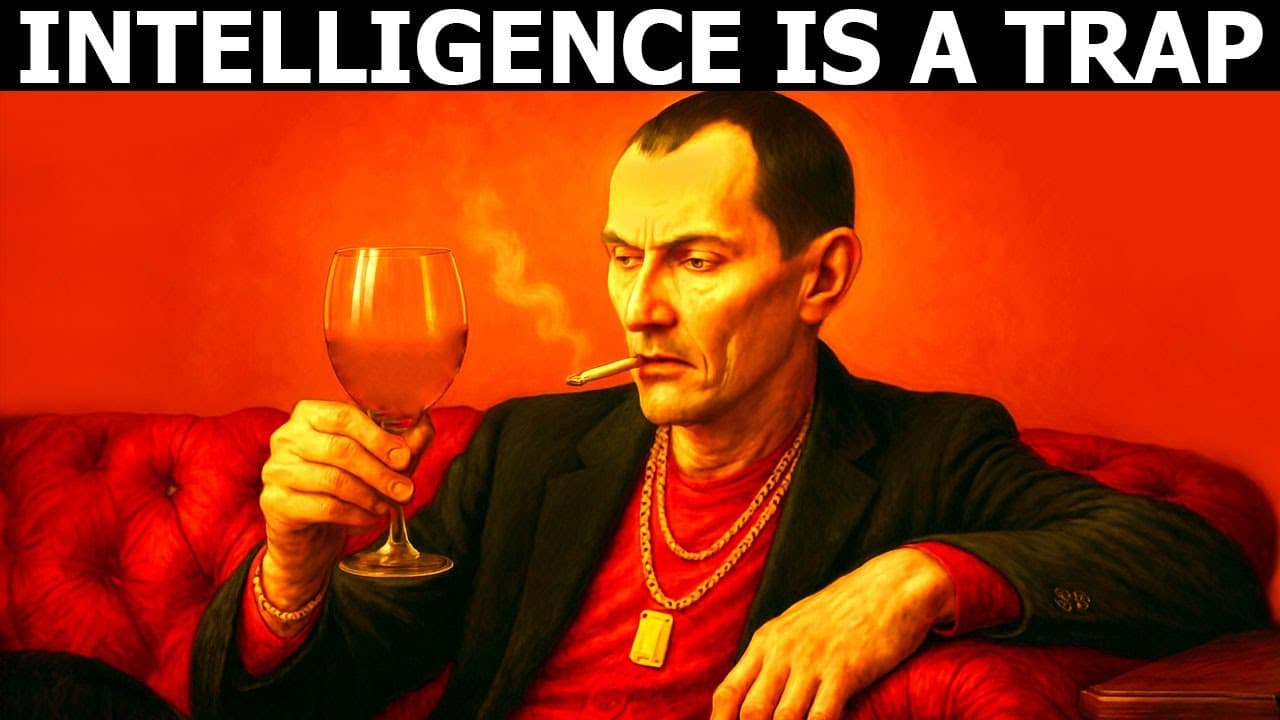
Smart people observe before explaining and wait to act, turning conversations into leverage. The core lesson is that influence comes from strategic silence, delayed reactions, and reading people rather than proving your intellect. Mastery comes from observing patterns, maintaining boundaries, and acting on insight with precision.
Transcript
Right now, someone less sharp than you is calling the shots where it counts. They're landing the promotion, earning the respect, wielding real influence. And you, you're left scratching your head, wondering why your smarts aren't paying off. Here's the harsh truth. You're stuck in the wrong game. You believe being intelligent means laying out your ... Read More
Key Insights
- Observation beats explanation in meetings, as the person asking the right questions often leads the room and collects leverage
- Delayed reactions reduce emotional risk and establish higher status, because calm timing signals control over the pace of a confrontation
- Strategic listening uncovers hidden fears, desires, and weaknesses that inform when and how to move, instead of yelling your thoughts
- Energetic distance creates healthy boundaries that prevent others from absorbing your energy and information, increasing your autonomy
- Boundaries are felt rather than spoken, and maintaining them helps you stay emotionally free to act with clarity
- Silent strategies imply that power comes from what you do not reveal, preserving mystery and strategic value
- Not explaining everything preserves leverage; questions and silence can be more persuasive than verbose arguments
- Reading patterns and micro-behaviors in groups reveals who truly holds influence and who is merely noise, guiding where to place influence
Install to Summarize YouTube Videos and Get Transcripts
Explore YouTube Video Summarizer or Get YouTube Transcript Extractor
Questions & Answers
Q: What is the first rule for turning intelligence into influence
The first rule is to stop explaining and start observing. Explaining reveals your thought process and hands your playbook to others, empowering them to counter you. By watching the room, noting who dominates, who gets interrupted, and who looks away, you gain data you can use to move with precision later. This shifts power toward the observer over the talker.
Q: Why are delayed reactions more powerful than immediate responses
Delayed reactions avoid triggering emotional responses in others and preserve your own strategic position. Instant reactions make you predictable and reactive, often inviting a back and forth conflict. By waiting, you signal that you control the tempo, reduce mistakes, and create space for a more favorable outcome when you finally respond.
Q: How does strategic listening build influence
Strategic listening uncovers information that others may not reveal openly. By listening for what is unsaid, watching facial cues, and asking follow up questions, you create a map of someone’s psychology. This map lets you tailor your moves so your input lands where it matters and is received as considerate rather than confrontational.
Q: What is energetic distance and why is it important
Energetic distance is the boundary that keeps you from being absorbed by others’ chaos. By maintaining this distance, you prevent others from manipulating you and preserve your own clarity. Boundaries are felt, not announced, and they translate into respect for your time and decisions.
Q: What role do boundaries play in Machiavellian strategy
Boundaries define where your influence begins and ends and prevent others from crossing into your decision space. They create psychological space that signals you will not be easily manipulated and that you operate on your own timeline. This perceived independence increases others’ respect and caution around you.
Q: How can you use silence as a strategic tool
Silence serves as a strategic tool by preventing others from filling the gap with weak arguments or unnecessary information. When you speak less, you appear more neutral and in control, and people fill the silence with their own assumptions, which you can then use to steer conversations toward your goals.
Q: What does strategic observation reveal in group settings
Strategic observation reveals who actually has power: the person who asks insightful questions, notices interruptions, and tracks patterns. It also reveals who is simply making noise. This awareness helps you decide when to intervene and how to structure your own input so it lands effectively.
Q: How can you apply these lessons in daily life
Apply the lessons by practicing daily observation, delaying reactions in conflicts, listening more than you speak, and setting clear energetic boundaries. Use the information you gather to time your actions, frame your points to align with others’ values, and avoid unnecessary explanations that reveal your plans too early. This builds long term influence.
Summary & Key Takeaways
-
The video reframes intelligence as a tool for strategic influence rather than just knowledge, advocating for observation over explanation and timing over impulse. It emphasizes that power grows when you control perception and minimize revealing your reasoning.
-
By practicing delayed responses, strategic listening, and energetic boundaries, you can shift how others interact with you, gaining respect and leverage without loud demonstrations of intellect.
-
The seven lessons culminate in a practical mindset: observe, listen, wait, and act with intentional energy to navigate power dynamics more effectively.
Read in Other Languages (beta)
Share This Summary 📚
Summarize YouTube Videos and Get Video Transcripts with 1-Click
Try YouTube Summary with ChatGPT & Claude or YouTube Transcript Generator
Explore More Summaries from Dark Psychology Coded 📚
Summarize YouTube Videos and Get Video Transcripts with 1-Click
Try YouTube Summary with ChatGPT & Claude or YouTube Transcript Generator