How Kevin Mitnick Used Social Engineering to Hack
TL;DR
Kevin Mitnick often gained access by manipulating helpful, trusting people rather than defeating technology directly. Beginning with bus tickets and telephone systems, he studied organizations, impersonated employees, redirected calls, and gathered operational details, while repeated arrests, probation, and public fear of hackers failed to end his pursuit of increasingly protected systems.
Transcript
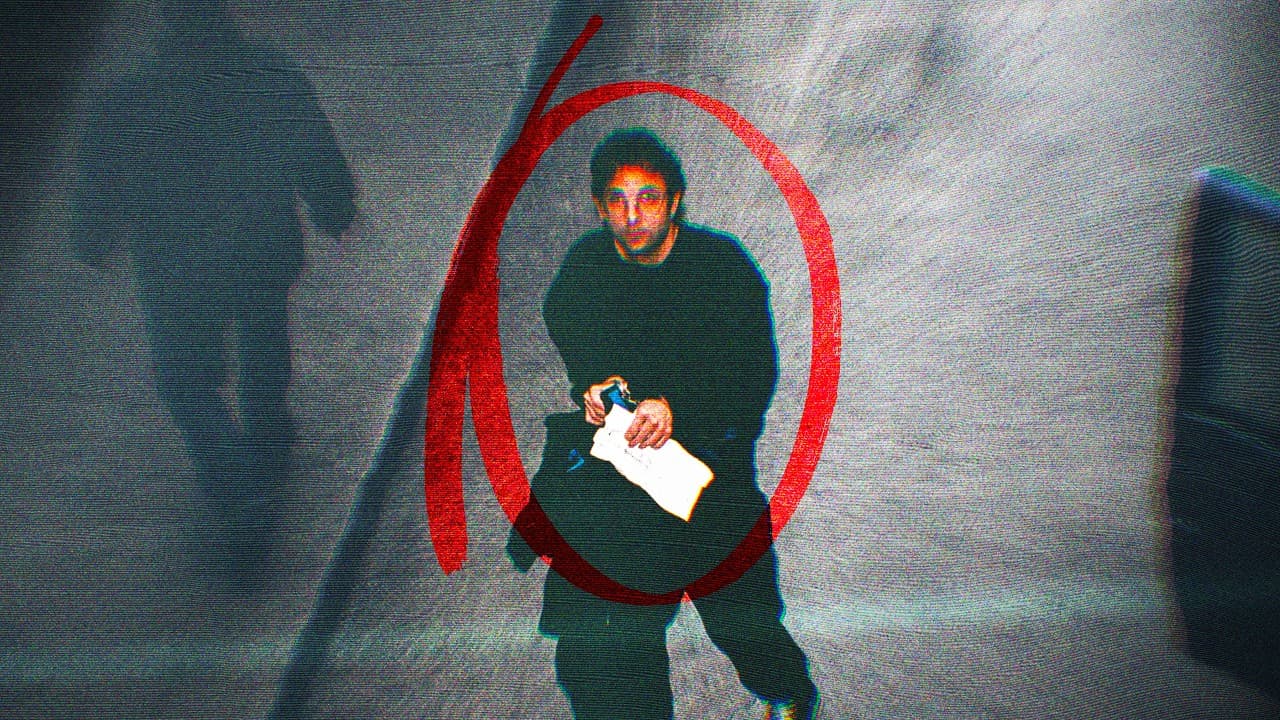
This is Kevin Mitnik, one of the world's most famous hackers and one of the first. In many ways, his story shaped how we think of his kind. The media vilified him. The authorities hunted him, and they were all extremely scared of him. Mitnick's story is about the advent of modern IT, about a kid who always wanted to be a magician. Most of all, it's... Read More
Key Insights
- Social engineering is the manipulation of helpfulness, trust, and assumptions to persuade people to reveal secrets or perform actions they should refuse. Mitnick treated this human element like a magic trick, directing attention and controlling what another person believed was happening.
- Mitnick's first described scheme began at age 12 in Los Angeles during summer break in 1975. He persuaded a bus driver to reveal where ticket punches were sold, followed another driver to a depot, and recovered unused tickets from discarded booklets.
- Phone freaking involved manipulating telephone systems to make free calls and explore how the network operated. Mitnick was interested in technical mechanisms, but he became especially skilled at studying departments, access rules, employee responsibilities, and request-handling procedures.
- Mitnick obtained an unlisted telephone number by constructing a chain of impersonations rather than making a single request. He posed as different employees, collected a manager's internal contact details, and persuaded a technician to forward that manager's calls to an external number.
- The Cosmos break-in exposed how operational familiarity can support physical intrusion. Mitnick and two friends knew the relevant department and room number, convinced a guard that they belonged inside, and removed dial-up information and manuals describing the telephone network.
- Mitnick's first described arrest followed a friend's disclosure of the stolen Cosmos manuals. At age 17, he faced charges including burglary, grand theft, and conspiracy to commit computer fraud, then received a 90-day psychological evaluation and a year of probation as a juvenile.
- Public fear of hackers grew during the 1980s as computers remained mysterious to many Americans. The film War Games placed a young hacker at the center of a near-catastrophic military scenario, helping establish an image of hackers as dangerous, unpredictable threats.
- The DEC operation combined social engineering with telephone-routing techniques. Lenny rerouted his connection through another company's fax line, while Mitnick posed as an employee and persuaded an operator to list active system users, supporting their attempt to reach the VMS development network.
Install to Summarize YouTube Videos and Get Transcripts
Explore YouTube Video Summarizer or Get YouTube Transcript Extractor
Questions & Answers
Q: What is social engineering in Kevin Mitnick's story?
Social engineering is the use of trust, helpfulness, assumptions, and convincing stories to make people reveal protected information or perform actions they should reject. Mitnick compared its underlying logic to magic because both involve directing attention and shaping perception. He believed people using technology were often easier to manipulate than the technology itself.
Q: How did Kevin Mitnick begin manipulating systems as a child?
At age 12, Mitnick wanted to avoid paying repeatedly for bus rides during summer break in Los Angeles. He invented a school-project story that persuaded a driver to identify where the special ticket punch was sold. He then followed a driver to the depot and found unused tickets in discarded booklets.
Q: How did Kevin Mitnick obtain an unlisted phone number?
Mitnick studied telephone-company departments and impersonated employees in several coordinated calls. After learning that an authorized internal callback was required, he collected a manager's name and number while posing as someone updating an authorization list. He then persuaded a technician to forward the manager's calls externally, allowing him to receive the verification call.
Q: What was phone freaking, and why did it interest Mitnick?
Phone freaking was the manipulation of telephone systems to make free calls and explore how the network functioned. Mitnick was interested in the technical side, but the social side fascinated him more. He called telephone-company employees, pretended to be a colleague, and learned how departments, permissions, and internal requests operated.
Q: How did the Cosmos break-in lead to Mitnick's arrest?
Mitnick and two friends entered the building containing Cosmos after he convinced a guard that he worked there and wanted to show his friends around. They found room 108 and removed network manuals and dial-up numbers. One friend later told an old flame about the theft, and she reported them to the telephone company.
Q: What punishment did Kevin Mitnick receive after his juvenile arrest?
At age 17, Mitnick was charged with burglary, grand theft, and conspiracy to commit computer fraud after the Cosmos incident. Because he was tried as a juvenile, the judge sent him to a juvenile correction center for a 90-day psychological evaluation and imposed a year of probation. The punishment did not stop his activities.
Q: Why did GTE fire Kevin Mitnick after nine days?
Mitnick tried to turn his technical abilities into legitimate work and obtained a programming job at GTE, the same telephone company whose security chief had previously visited his mother. The company did not initially recognize him. After he completed a security form, GTE fired him after nine days, stating that his resume was inaccurate.
Q: How did Mitnick and Lenny try to access DEC's VMS network?
Mitnick and Lenny wanted access to the protected VMS source code so they could study security flaws and previous fixes. Lenny rerouted a connection through another company's fax line to obscure its origin. Mitnick then posed as a DEC employee and persuaded an operator to run a command listing users currently active on the system.
Summary & Key Takeaways
-
Kevin Mitnick became fascinated by magic because it demonstrated how attention, assumptions, and perception could be controlled. He applied similar principles to social engineering, discovering that helpful and trusting people could be persuaded to reveal secrets or perform unauthorized actions, often making human manipulation easier than directly overcoming technical safeguards.
-
Mitnick began by obtaining discarded bus tickets and learning where drivers purchased their punches. He later joined a community of phone hackers, studied telephone-company procedures, impersonated employees, redirected a manager's calls, and obtained private numbers. These activities brought warnings from company security and the FBI, but he continued.
-
After stealing telephone-system manuals, Mitnick was arrested at 17 and received a psychological evaluation followed by probation. Further offenses and employment consequences followed. During growing public fear of hackers, he and Lenny targeted DEC's protected VMS source code by combining rerouted telephone connections, technical observation, and employee impersonation.
Read in Other Languages (beta)
Share This Summary 📚
Summarize YouTube Videos and Get Video Transcripts with 1-Click
Try YouTube Summary with ChatGPT & Claude or YouTube Transcript Generator
Explore More Summaries from fern 📚




Summarize YouTube Videos and Get Video Transcripts with 1-Click
Try YouTube Summary with ChatGPT & Claude or YouTube Transcript Generator