How to Talk About Your Home in Beginner English
TL;DR
Build practical beginner English by naming rooms, household objects, cleaning tools, and everyday actions, then use them in complete sentences. Repeat the model sentences aloud and review the lesson several times to remember vocabulary such as tidy up, broom, comforter, dresser, and washing machine, along with place words including on, under, between, beside, and inside.
Transcript
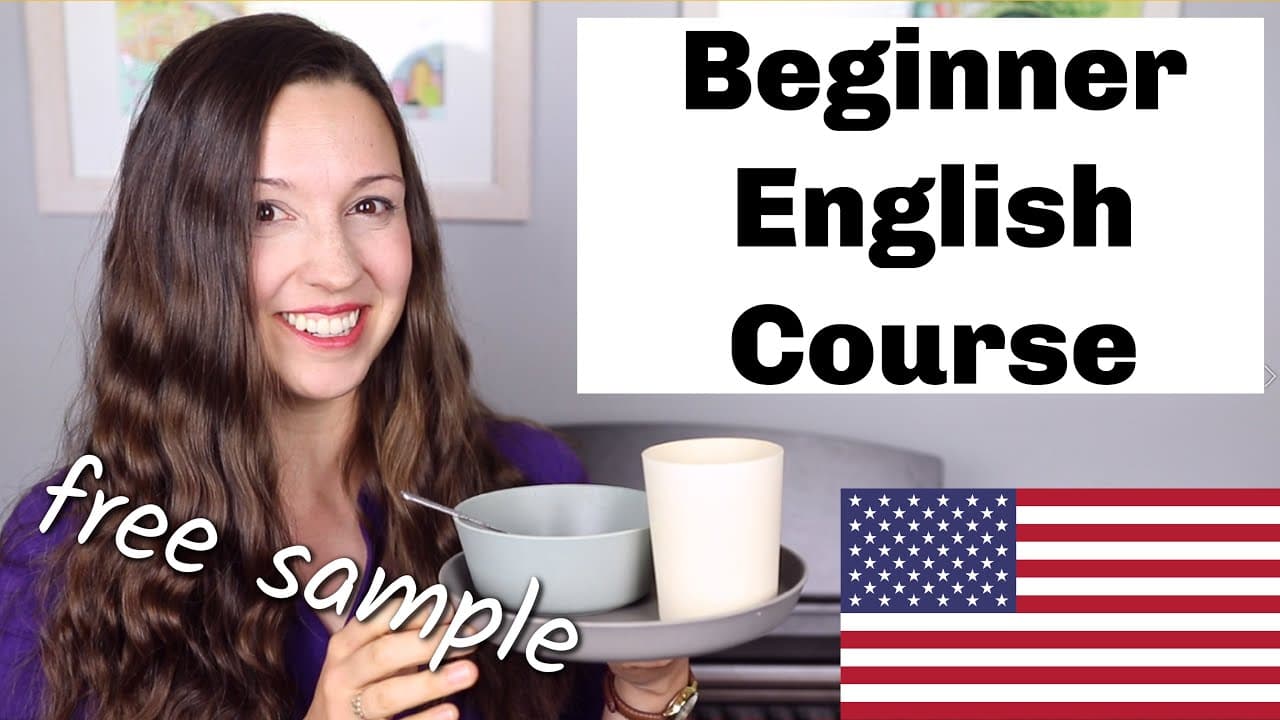
Hi. I'm Vanessa from SpeakEnglishWithVanessa.com. Do you want to learn English but you don't know where to start? Don't worry, today I will help you. Let's get started. Vanessa: Recently, something shocked me. I asked my students to choose their own level, beginner, intermediate or advanced in English and 25% of you chose beginner. This shocke... Read More
Key Insights
- Household vocabulary is easier to practice when words appear in a realistic activity, such as cleaning rooms and searching for a missing hockey stick. The conversation connects objects, locations, and actions instead of presenting each term without context.
- The verb "clean" describes removing dirt from places such as a kitchen, bathroom floor, rug, or carpet. The lesson models the verb in short sentences and encourages learners to repeat each sentence aloud with their own voice.
- The phrase "tidy up" means organizing an area where many things have accumulated. A kitchen table or coffee table may need tidying when items such as clothes, cups, jackets, or bags are piled on it.
- The verbs "find" and "found" describe locating something in present and past contexts. Vanessa uses finding a favorite mug, broom, vacuum, laundry basket, and hockey stick to show how the verb works in everyday household situations.
- A rug is usually small, while a carpet is usually big, according to the lesson. Both words describe floor coverings and appear alongside related home vocabulary such as floor, wall, ceiling, living room, and coffee table.
- Couch and sofa are both correct names for the same living-room furniture in the lesson. Vanessa personally uses "couch," while also showing that English speakers may choose different common words for rooms and household objects.
- Place expressions identify where household objects are located. The examples use on, inside, under, beside, between, next to, outside, below, and on top of with objects such as lamps, cabinets, cleaning supplies, laundry baskets, and bedding.
- Repetition is the recommended method for remembering the lesson's language. Vanessa advises watching the material again and again, speaking aloud with her, and repeating complete model sentences rather than only reading or silently recognizing individual words.
Install to Summarize YouTube Videos and Get Transcripts
Explore YouTube Video Summarizer or Get YouTube Transcript Extractor
Questions & Answers
Q: How can beginners practice English vocabulary about the home?
Beginners can practice home vocabulary by connecting each word to a visible room, object, or action. Say complete sentences such as "I'm in the kitchen," "The pillow is on the couch," and "I put my clothes in the dresser." Vanessa recommends speaking aloud, repeating the model sentences, and watching the lesson several times so the vocabulary becomes easier to remember.
Q: What English verbs are useful for cleaning and organizing?
The lesson focuses on the verbs clean, tidy up, lock, and find. Clean can describe washing or removing dirt from a kitchen or bathroom floor. Tidy up means organizing an area where objects have accumulated. Lock is used with the front door, and find describes locating an object such as a broom, vacuum, mug, laundry basket, or hockey stick.
Q: What does "tidy up" mean in everyday English?
"Tidy up" means to organize a space where several objects are piled up or out of place. Vanessa illustrates it with a table holding items such as a jacket, cup, shirt, and bag. She practices sentences about tidying the kitchen table and the coffee table, then uses the past form in the sentence "I tidied up the kitchen table."
Q: What is the difference between a rug and a carpet?
A rug and a carpet are both floor coverings, but the lesson gives a simple size-based distinction: a rug is usually small, and a carpet is usually big. The cleaning conversation refers to cleaning both the rug and the carpet in the living room. These words are practiced with other structural home terms, including floor, wall, and ceiling.
Q: How do you describe where household objects are in English?
Use place words with a household object and its location. The lesson gives examples such as books on the bookshelf, a TV on the wall, a mug on the coffee table, a lamp beside the couch, sheets under the comforter, and cleaning supplies below the kitchen sink. It also uses inside, between, next to, outside, and on top of.
Q: What bedroom and bedding words does the lesson teach?
The bedroom vocabulary includes bed, pillows, comforter, sheets, and dresser. Vanessa explains that sheets are under the comforter and models the statement that she has two sheets. She also says that clothes go in the dresser. In the cleaning conversation, the pillowcases, sheets, and comforter are discussed as laundry that can be washed in the washing machine.
Q: What bathroom vocabulary should beginner English learners know?
The bathroom section introduces the sink, mirror, cabinet, toilet, shower, and bathtub. Vanessa models phrases such as "This is the bathroom sink" and "This is the toilet." The cleaning conversation adds useful actions: Dan plans to clean the bathroom, scrub between the sink and toilet, and wipe down the mirror while Vanessa works elsewhere in the house.
Q: Why should English beginners repeat sentences aloud?
Repeating sentences aloud helps learners actively practice the vocabulary presented in the lesson. Vanessa repeatedly asks viewers to use their voices and say complete examples with her, including sentences about cleaning floors, tidying tables, and locating household objects. She recommends reviewing the lesson again and again because repeated spoken practice helps learners remember the words and use them in context.
Summary & Key Takeaways
-
The lesson introduces beginner English through a conversation in which Vanessa and Dan clean their house while searching for Dan's hockey stick. Their exchange places household vocabulary in a realistic context, covering cleaning supplies, laundry, rooms, furniture, floor coverings, and common actions such as cleaning, scrubbing, wiping, moving, and finding objects.
-
The vocabulary section practices four central verbs: clean, tidy up, lock, and find. Vanessa models complete sentences and asks learners to repeat them aloud. She explains that tidying up means organizing things that have accumulated, while finding describes successfully locating something that a person has been looking for.
-
A guided house tour introduces rooms and household items, including the kitchen, living room, dining room, bedroom, bathroom, bookshelf, couch, dresser, mirror, toilet, bathtub, and washer. The examples also demonstrate location phrases such as on the wall, beside the couch, under the comforter, inside the cabinet, and on top of the washer.
Read in Other Languages (beta)
Share This Summary 📚
Summarize YouTube Videos and Get Video Transcripts with 1-Click
Try YouTube Summary with ChatGPT & Claude or YouTube Transcript Generator
Explore More Summaries from Speak English With Vanessa 📚






Summarize YouTube Videos and Get Video Transcripts with 1-Click
Try YouTube Summary with ChatGPT & Claude or YouTube Transcript Generator