How Did a Radio Broadcast Terrorize Quito?
TL;DR
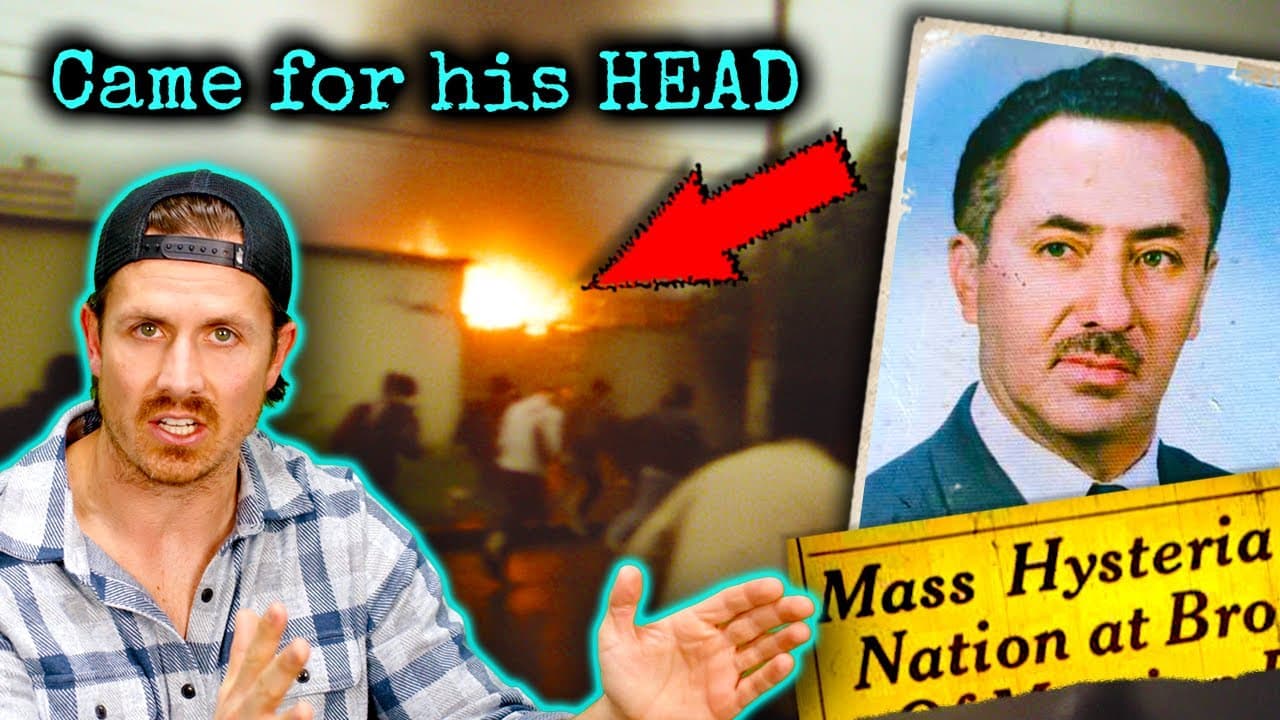
An urgent radio broadcast convinced listeners in Ecuador's capital that enemy forces had destroyed a nearby city, seized an air base, and surrounded Quito. The alarming claims triggered screaming, praying, hiding, and street chaos among residents still haunted by Peru's 1941 invasion. A second story concerns an 1851 séance in Massachusetts that took a deadly turn.
Transcript
Today I'm going to tell you two [music] wild stories. The first story is about a littleknown invasion of a South American country in 1949 that had absolutely insane unintended consequences. And the second story is about this very strange ritual that typically did not have horrible consequences, but one time in 1851 it did. But before we get into to... Read More
Key Insights
- Radio Quito was a highly respected news station owned by the popular newspaper El Commercial, and many Ecuadorians relied on one or both outlets for news. That reputation gave the station's urgent invasion announcements substantial credibility among listeners across the capital.
- Radio was Quito's central source of news and entertainment in 1949 because residents did not have television. Since receivers were expensive, owners often placed them outside so neighbors and pedestrians could listen, allowing a single broadcast to reach large public gatherings throughout the city.
- The broadcast began shortly after 9:00 p.m. on February 12, 1949, when director Leonardo Pz interrupted a live performance by the famous singing duo Bonitez and Valencia. The interruption was designed to catch the attention of listeners already gathered around radios.
- The first announcement claimed Ecuador was being invaded and that Latacunga, located about 60 miles south of Quito, had been destroyed. The broadcast then abruptly returned to music, leaving listeners uncertain whether they had heard a genuine warning or some kind of joke.
- The later update claimed enemy aircraft had landed in Kotakoyao, about 8 miles north of central Quito. Because Latacunga lay to the south, listeners such as Jose Antonio concluded that hostile forces had effectively surrounded the capital from two directions.
- The most frightening report claimed Quito's air base had been captured and destroyed. A panicked voice identifying himself as the chief of the city's newspaper also alleged that attackers were using poisonous gas and fire, exterminating people, and destroying homes and buildings.
- The public response was immediate chaos, with people screaming, praying, pointing toward the sky, and flooding into the streets to crowd around radios. Conflicting voices came through the station, but listeners repeatedly heard the instruction to hide from the approaching enemy.
- Ecuador's 1941 conflict with Peru made the 1949 reports especially believable. Peru had invaded after a territorial dispute, conquered the contested land relatively easily, and forced Ecuador to retreat after roughly a month, leaving Quito's residents conscious of their country's military vulnerability.
Install to Summarize YouTube Videos and Get Transcripts
Explore YouTube Video Summarizer or Get YouTube Transcript Extractor
Questions & Answers
Q: How did a radio broadcast cause panic in Quito?
Radio Quito interrupted a popular musical performance and announced that Ecuador was being invaded. Successive reports claimed Latacunga had been destroyed, enemy aircraft had landed only 8 miles from central Quito, and the city's air base had fallen. Voices described poisonous gas, fire, killings, and destruction while repeatedly telling residents to hide, causing screaming, praying, and chaos in the streets.
Q: Why did Quito residents believe the invasion reports?
The reports came from Radio Quito, a highly respected news station owned by the popular newspaper El Commercial. Many Ecuadorians depended on those outlets for reliable information. The interruption also sounded urgent and included specific locations, alleged attacks, and voices presented as authority figures. Ecuador's actual invasion by Peru in 1941 made another foreign attack seem possible to frightened residents.
Q: What did the 1949 Radio Quito broadcast claim?
The broadcast claimed that Ecuador was under invasion and that Latacunga, about 60 miles south of Quito, had been destroyed. It later reported that enemy aircraft had landed in Kotakoyao, about 8 miles north of central Quito. Another voice alleged that the air base was captured, attackers were using poisonous gas and fire, and people, homes, and buildings were being destroyed.
Q: Why was radio so influential in Quito in 1949?
Radio served as a primary source of both information and entertainment because Quito's residents did not have television. Receivers were expensive luxury items, so people who owned them often brought them into the street for others to hear. When the famous duo Bonitez and Valencia performed, large numbers of residents gathered around radios, giving the station access to a broad and attentive audience.
Q: How did Jose Antonio react to the invasion broadcast?
Seventeen-year-old Jose Antonio was listening outside a restaurant with friends, diners, and pedestrians. He initially wondered whether the first announcement was a joke, but remembered Peru's earlier invasion of Ecuador. When later reports said Quito was surrounded and the enemy was exterminating people, he became terrified, involuntarily cried out, and watched the surrounding streets erupt into panic.
Q: How did the 1941 Peruvian invasion affect the reaction?
Peru's 1941 invasion provided a recent historical reason for residents to take the broadcast seriously. The larger country had entered disputed Ecuadorian territory after a border argument, conquered it relatively easily, and forced Ecuador to retreat after roughly a month. Although the fighting did not reach Quito, it showed residents that Ecuador might be unable to defend itself against a foreign attacker.
Q: What happened after the first invasion announcement?
After announcing that Latacunga had been destroyed, the station abruptly returned to the musical program. The street became quiet as listeners waited for more information, and some searched the sky for warplanes. A few people joked that the interruption was a prank, while others resumed their evening. However, many remained visibly uncomfortable, and Jose Antonio continued exchanging worried looks with his friends.
Q: What is the second historical story about?
The second story concerns a strange ritual that usually did not produce horrible consequences but became deadly on one occasion in 1851. The description identifies the ritual as a séance in Massachusetts and says it took a deadly turn. The provided transcript does not include further details about its participants, the events during the séance, or the precise cause of the fatal outcome.
Summary & Key Takeaways
-
On February 12, 1949, Radio Quito interrupted a popular live musical performance to announce that Ecuador was being invaded. The respected station claimed Latacunga had been destroyed, enemy aircraft had landed near Quito, and hostile forces were using poisonous gas and fire while killing people and destroying buildings.
-
Seventeen-year-old Jose Antonio heard the alarming reports outside a restaurant, where diners and pedestrians had gathered around a radio. Initial uncertainty became widespread panic after another broadcaster claimed the air base had fallen and warned that the attackers were coming. Streets filled with screaming, praying, frightened residents seeking information, and instructions to hide.
-
The panic was intensified by Ecuador's recent experience of invasion. Peru had entered disputed Ecuadorian territory in 1941, defeated Ecuador within roughly a month, and forced it to relinquish land. Although that fighting never reached Quito, it left residents aware that their country could struggle to defend itself against a larger foreign force.
Read in Other Languages (beta)
Share This Summary 📚
Summarize YouTube Videos and Get Video Transcripts with 1-Click
Try YouTube Summary with ChatGPT & Claude or YouTube Transcript Generator
Explore More Summaries from MrBallen 📚




Summarize YouTube Videos and Get Video Transcripts with 1-Click
Try YouTube Summary with ChatGPT & Claude or YouTube Transcript Generator