How to Overcome Procrastination and Get Things Done
TL;DR
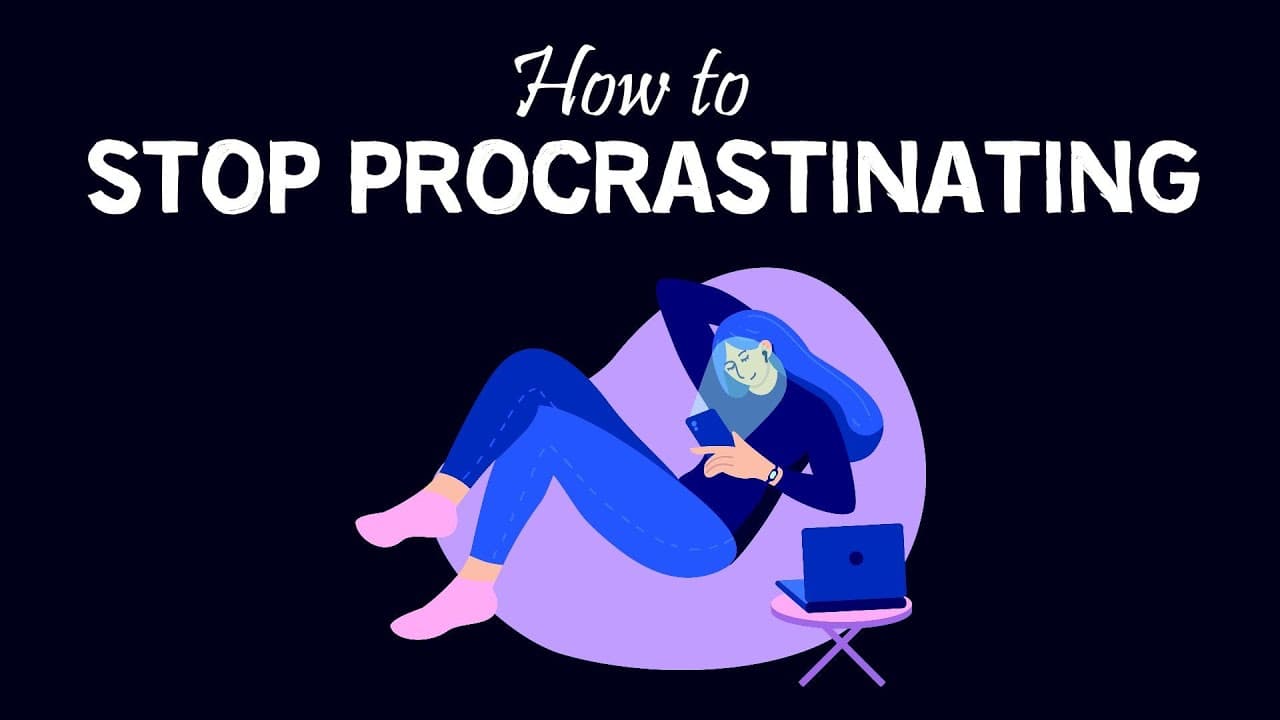
To overcome procrastination, start by breaking tasks into smaller, manageable parts and focus on completing just one microtask at a time. Embrace the present moment and use philosophical insights from Stoicism and Taoism to cultivate a mindset that values action and diminishes fear. This approach not only boosts self-confidence but also leads to a greater sense of accomplishment.
Transcript
The greatest hindrance to living is expectancy, which depends upon the morrow and wastes to-day. Seneca When we procrastinate, we are immersed in future thinking, and unable to do the work that we had planned to do in the present moment. The consequences of this behavior are often harmful. For example, if we refrain from performing necessary tasks,... Read More
Key Insights
- 😨 Procrastination is often rooted in fear of effort and discomfort associated with tasks.
- 💦 Seizing the present moment and emphasizing work is crucial in combating procrastination.
- 🏋️ Taoist principles of wu wei promote effortless action and total immersion in tasks to overcome procrastination.
- 😘 Anxiety and low self-confidence are common reasons for procrastination, leading to avoidance of challenging tasks.
- 🥳 Creating structure and breaking tasks into smaller, manageable parts can help in overcoming the paralysis of procrastination.
- 🤩 Planning and discipline play key roles in combatting procrastination by focusing on completing small tasks one step at a time.
- ❓ Embracing impermanence and the importance of tasks can provide motivation to overcome procrastination.
Install to Summarize YouTube Videos and Get Transcripts
Explore YouTube Video Summarizer or Get YouTube Transcript Extractor
Questions & Answers
Q: Why do we procrastinate, and what are the consequences?
Procrastination stems from associating tasks with effort and discomfort, leading to short-term gratification at the cost of long-term goals. This behavior results in missed opportunities and deterioration over time.
Q: What insights do philosophers offer on procrastination?
Philosophers like Marcus Aurelius and Seneca view procrastination as wasteful and contrary to human nature. They advocate for seizing the present moment and emphasizing the importance of work to achieve fulfillment.
Q: How can Taoist principles help in overcoming procrastination?
Taoist concept of wu wei encourages effortless action and total immersion in tasks, alleviating worries about the past or future. By focusing on the present moment and removing doubts, individuals can break the cycle of procrastination.
Summary & Key Takeaways
-
Procrastination hinders progress by delaying tasks, rooted in fear of effort and discomfort.
-
Philosophers like Marcus Aurelius and Seneca emphasize seizing the present moment to combat procrastination.
-
Taoist principles of wu wei advocate for effortless action and total immersion in tasks to overcome procrastination.
Read in Other Languages (beta)
Share This Summary 📚
Summarize YouTube Videos and Get Video Transcripts with 1-Click
Try YouTube Summary with ChatGPT & Claude or YouTube Transcript Generator
Explore More Summaries from Einzelgänger 📚
Summarize YouTube Videos and Get Video Transcripts with 1-Click
Try YouTube Summary with ChatGPT & Claude or YouTube Transcript Generator