How to build ChatGPT apps with MCP and app directory
TL;DR
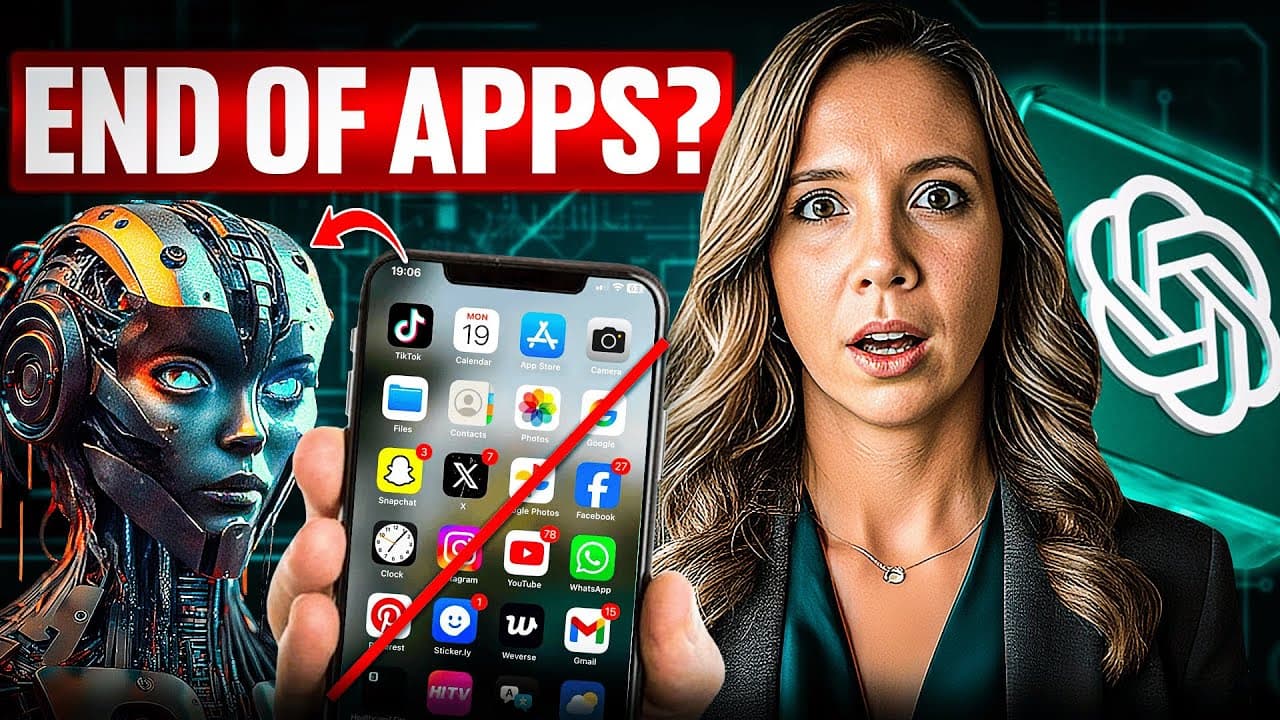
OpenAI is moving toward a horizontal app platform inside ChatGPT via the MCP standard and a new app directory. This enables major brands to be used inside chat and offers developers a low barrier to entry, though monetization and privacy questions remain. The shift could redefine how users interact with digital services.
Transcript
On December 17th, 2025, OpenAI made an announcement that venture capitalists are calling the most significant moment in the company's history. It wasn't a new model. It wasn't better reasoning. It was something that could fundamentally change how you interact with every digital service you use and create a completely new way for developers and entr... Read More
Key Insights
- OpenAI is launching a full app ecosystem inside ChatGPT via the app directory and MCP.
- The platform aims to be a universal chat interface that can order food, book travel, and manage files without leaving the chat.
- OpenAI is building a platform play rather than locking developers into a single service.
- The app directory uses MCP, an open standard that could allow cross platform app execution.
- The monetization model currently allows linking out to websites for physical goods, with digital sales later.
- The trajectory resembles the Apple App Store in creating new developer opportunities and marketplaces.
- Privacy is a major concern as app context access and data flows within conversations expand.
- Early revenue sharing and developer traction will determine who wins as the ecosystem grows.
Install to Summarize YouTube Videos and Get Transcripts
Explore YouTube Video Summarizer or Get YouTube Transcript Extractor
Questions & Answers
Q: What is the new direction for OpenAI with the app directory and MCP?
The app directory represents a shift to a platform that lets users access multiple services inside a single conversation. MCP is an open standard that could allow apps to run across AI platforms, enabling a unified interface where you can order food, book flights, and edit documents without leaving chat. This is a fundamental change to how apps are used with AI.
Q: How does MCP influence cross platform compatibility?
MCP being an open standard means apps built for ChatGPT could theoretically run on any AI platform that adopts MCP. This makes the ecosystem less siloed and increases potential reach for developers, as their apps could operate beyond a single platform while maintaining a consistent interaction model within conversations.
Q: What was the fate of OpenAI’s earlier GPT store attempt?
The GPT store previously faced quality control issues, including apps mimicking properties, tools designed to bypass detection, and broken security. Revenue sharing promised for early 2024 did not materialize, leaving developers burned. The new approach emphasizes formal reviews, code based development, and stricter standards to avoid repeating those problems.
Q: Which brands are mentioned as launch partners for the app directory?
Launch partners include Spotify, Apple Music, DoorDash, Uber, Zillow, Expedia, Booking.com, Canva, Adobe, Photoshop, Gmail, Google Drive, Dropbox, GitHub, Figma, and Coursera. These are presented as real, everyday tools that would be integrated into a chat experience, illustrating the breadth of the initial ecosystem.
Q: What is the monetary expectation around app store style revenue sharing?
Revenue sharing details are still to be announced, with speculation that it could resemble Apple’s 30 percent model. The video notes that consumer spending on mobile ChatGPT apps reached a high level by late 2025, suggesting strong monetization potential once the program is fully defined and opened for digital goods and services.
Q: What is the consumer upside of this shift to a chat based app ecosystem?
Consumers gain convenience from a single conversation interface that can pull calendar data, generate presentations, and order meals or book travel without switching apps. This reduces context switching and cognitive load, potentially speeding up workflows and making digital tasks feel more seamless and integrated into daily routines.
Q: What privacy concerns are raised with app based conversations?
Privacy concerns focus on how much conversation context third party apps can access, whether it is the prompt or the entire chat history. The openness of data flows and past issues with transparency highlight the need for clear data handling policies and user controls to mitigate potential misuse.
Q: What is the strategic aim behind OpenAI’s horizontal platform approach?
OpenAI’s strategy is to own the interface between users and services rather than own the services themselves. This mirrors an Apple style platform play, where the chat interface becomes the primary access point to a broad set of apps, potentially reshaping where value is captured in the digital ecosystem.
Q: What could be the impact on traditional app stores if this model succeeds?
If successful, this model could disrupt traditional app store revenue by shifting the focus to the conversational interface as the primary channel for interactions and transactions. This could redirect user attention and monetization toward the platform operator and partner apps integrated into the chat experience.
Summary & Key Takeaways
-
The video argues that OpenAI is launching a full app ecosystem inside ChatGPT using MCP and an app directory, enabling direct integration with major brands.
-
It compares this shift to the 2008 App Store moment, highlighting lower barriers to entry and the potential for new developer opportunities.
-
It also covers privacy risks and the need for careful data handling as context sharing with third party apps grows.
Read in Other Languages (beta)
Share This Summary 📚
Summarize YouTube Videos and Get Video Transcripts with 1-Click
Try YouTube Summary with ChatGPT & Claude or YouTube Transcript Generator
Explore More Summaries from Julia McCoy 📚





Summarize YouTube Videos and Get Video Transcripts with 1-Click
Try YouTube Summary with ChatGPT & Claude or YouTube Transcript Generator