How to Reverse Insulin Resistance Effectively?
TL;DR
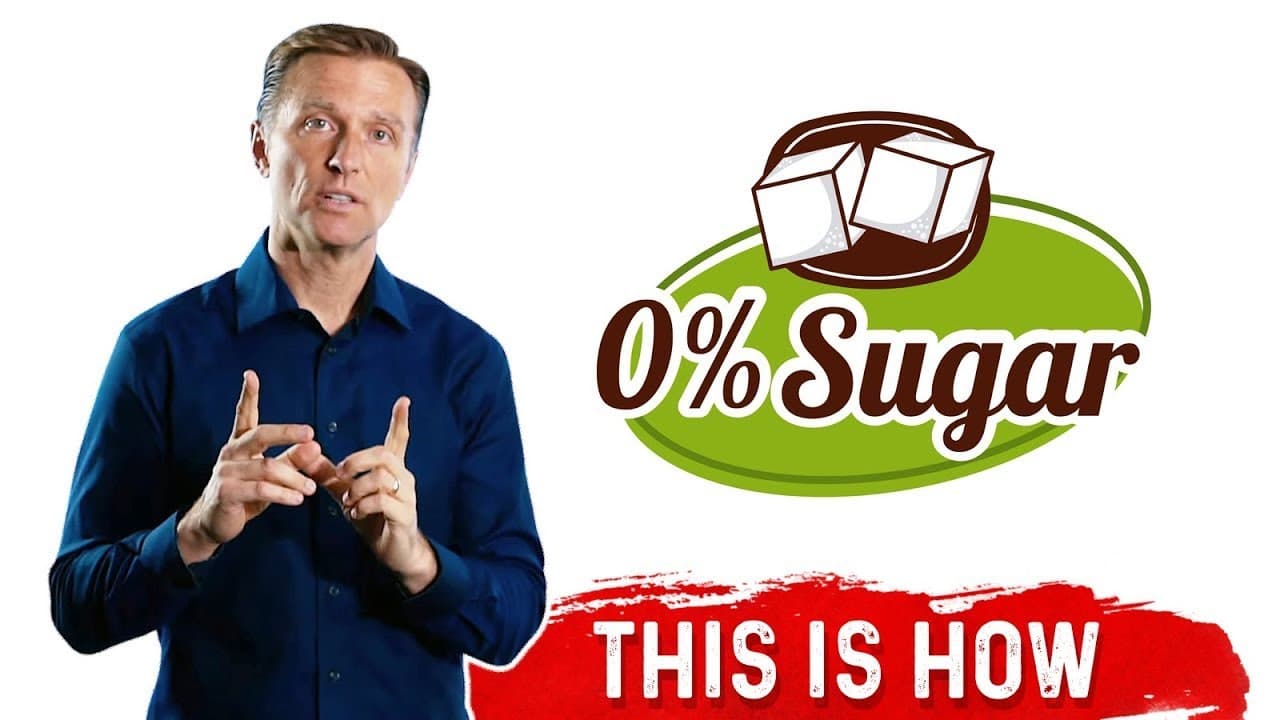
Insulin resistance can be effectively reversed through a combination of intermittent fasting and a healthy keto diet, which together can lead to over 90% improvement. Key indicators of success include reduced hunger, loss of belly fat, improved blood pressure, and stable blood sugar levels. The process may take three to eight months, depending on individual factors.
Transcript
all right so someone wanted to know is it possible to reverse insulin resistance and how long does it take so this video is for that person first of all what is insulin resistance it's a condition whereby the cells are no longer absorbing insulin so insulin is being rejected okay and so in the receptor for insulin it's just not rece... Read More
Key Insights
- Insulin resistance occurs when cells no longer absorb insulin, leading to high blood sugar and starved cells.
- Chronic consumption of carbohydrates and frequent eating are primary causes of insulin resistance.
- Reversing insulin resistance involves reducing insulin exposure through prolonged fasting and dietary changes.
- A combination of healthy keto and intermittent fasting can significantly improve insulin resistance.
- Key nutrients like zinc, vitamin D, and magnesium can accelerate the reversal of insulin resistance.
- Exercise, stress reduction, and adequate sleep are crucial for enhancing insulin sensitivity.
- Indicators of improved insulin resistance include reduced hunger, belly fat loss, and better blood sugar control.
- The process of reversing insulin resistance may take between three to eight months, depending on individual factors.
Install to Summarize YouTube Videos and Get Transcripts
Explore YouTube Video Summarizer or Get YouTube Transcript Extractor
Questions & Answers
Q: What is insulin resistance?
Insulin resistance is a condition where the body's cells become less responsive to insulin, a hormone that helps regulate blood sugar levels. As a result, the pancreas produces more insulin to compensate, leading to higher than normal insulin levels. This can cause high blood sugar, starved cells, and potential damage to the body over time.
Q: What causes insulin resistance?
Insulin resistance is primarily caused by chronic overexposure to insulin, often due to a diet high in carbohydrates and frequent eating. This constant demand for insulin can desensitize the cells, making them less responsive to the hormone. Over time, this leads to higher insulin and blood sugar levels, contributing to various health issues.
Q: How can insulin resistance be reversed?
Reversing insulin resistance involves reducing insulin levels through dietary and lifestyle changes. Dr. Berg recommends a combination of healthy keto and intermittent fasting, which together can significantly improve insulin sensitivity. By lowering carbohydrate intake and increasing fasting periods, the body can reset its insulin response, leading to better health outcomes.
Q: How long does it take to reverse insulin resistance?
The time it takes to reverse insulin resistance can vary, but Dr. Berg estimates it typically takes between three to eight months. This duration depends on individual factors such as diet adherence, lifestyle changes, and the severity of insulin resistance. Consistent application of healthy keto and intermittent fasting is crucial for achieving desired results within this timeframe.
Q: What role does diet play in reversing insulin resistance?
Diet plays a crucial role in reversing insulin resistance. A healthy keto diet, which is low in carbohydrates and high in healthy fats, helps reduce insulin levels by minimizing the need for insulin production. When combined with intermittent fasting, it allows the body to reset its insulin sensitivity, significantly improving insulin resistance over time.
Q: What are the key nutrients needed to improve insulin resistance?
Key nutrients that support the reversal of insulin resistance include zinc, vitamin D, chromium, potassium, magnesium, and B vitamins. These nutrients are essential for cellular function and can enhance insulin sensitivity. Ensuring adequate intake of these nutrients through diet or supplements can accelerate the process of reversing insulin resistance.
Q: What lifestyle changes can support reversing insulin resistance?
In addition to dietary changes, lifestyle modifications such as regular exercise, stress reduction, and adequate sleep are vital for reversing insulin resistance. Exercise helps improve insulin sensitivity, while managing stress and ensuring sufficient rest can prevent hormonal imbalances that contribute to insulin resistance. These changes complement dietary efforts for optimal results.
Q: How can one assess the improvement of insulin resistance?
Improvement in insulin resistance can be assessed through various indicators, including reduced hunger, loss of belly fat, improved blood pressure, and stable blood sugar levels. Additionally, increased energy levels and feeling satisfied after meals are positive signs that insulin sensitivity is improving. Monitoring these factors can help track progress in reversing insulin resistance.
Summary & Key Takeaways
-
Insulin resistance is a condition where cells fail to absorb insulin, leading to high insulin levels and blood sugar. This can cause a range of health issues, including cell starvation and potential damage to the body. Reversing this condition involves reducing insulin exposure by adopting intermittent fasting and a healthy keto diet.
-
Dr. Berg suggests that healthy keto and intermittent fasting together contribute to over 90% of improvements in reversing insulin resistance. Key nutrients such as zinc, vitamin D, and magnesium are essential for speeding up the process, along with lifestyle changes like exercise and stress management.
-
To assess the improvement of insulin resistance, individuals should monitor indicators such as decreased hunger, reduced belly fat, improved blood pressure, and stable blood sugar levels. The process can take several months, but adopting these strategies can also help reverse pre-diabetes and type 2 diabetes.
Read in Other Languages (beta)
Share This Summary 📚
Summarize YouTube Videos and Get Video Transcripts with 1-Click
Try YouTube Summary with ChatGPT & Claude or YouTube Transcript Generator
Explore More Summaries from Dr. Eric Berg DC 📚



Summarize YouTube Videos and Get Video Transcripts with 1-Click
Try YouTube Summary with ChatGPT & Claude or YouTube Transcript Generator