How to Organize a University Union Strike
TL;DR
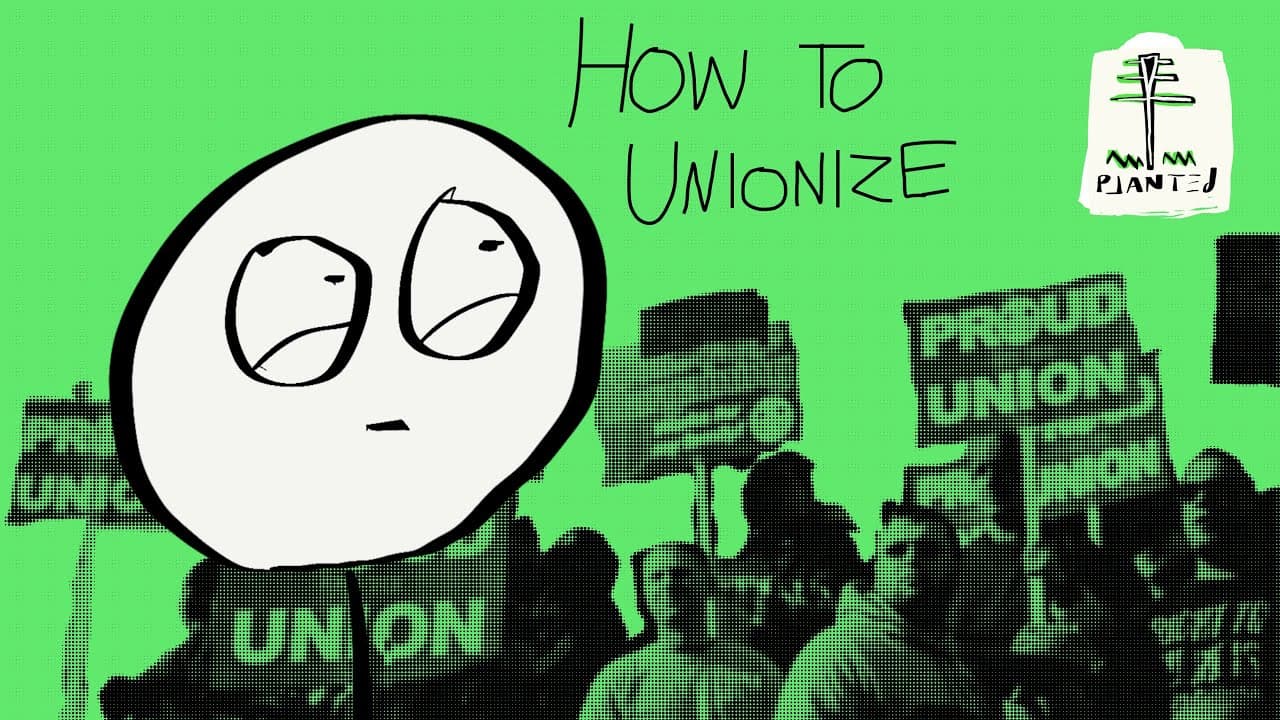
University strikes develop through sustained organizing, internal votes, negotiations, clear demands, and coordinated communication among workers, unions, students, and administrators. At Rutgers, academic workers sought livable wages, health coverage, and respect for their labor, while student support, educational resources, social media, and visible campus solidarity helped broaden participation during the five-day strike.
Transcript
all right hey guys um welcome back to the podcast today we're covering um striking and Strikes um especially kind of strikes that happen at universities post-secondary institutions so a lot of students with um you know debt there's a lot of grad students that don't get paid a lot and a lot of professors and academic staff that don't get paid a livi... Read More
Key Insights
- The Rutgers strike was the first strike by workers on the university’s academic side, according to the participant’s account. It lasted about five days, nearly one week, and followed at least a year of discussion about whether academic employees should take collective action.
- The strike’s central concerns included wages, livable income, health care, health insurance, and recognition of academic labor. The workers involved included professors, faculty members, graduate students, and other people responsible for providing education at the university.
- Strike organization is a gradual process involving discussions, votes, negotiations, and attempts to reach an acceptable agreement. The participant described tensions building slowly behind the scenes until unresolved negotiations among the university, unions, and academic workers reached a tipping point.
- Faculty communication shaped how students understood the labor dispute. Some professors warned their classes about a possible strike, discussed concerns about respect for educators, or explained how assignments, examinations, and access to Canvas would change if work stopped.
- Student participation was voluntary but substantial during the strike. Many undergraduates joined professors in campus demonstrations, while others attended because they wanted to understand the dispute, support academic workers, experience collective action, or document a significant event in Rutgers history.
- Social media was an effective tool for student activism and coordination. Campus groups, organizations, and clubs used platforms and communities such as Reddit and Discord to share information, express competing views, and encourage students to participate in strike-related activities.
- Educational resources helped participants understand the workers’ expectations, the shortcomings they identified, and the changes they wanted. These materials were especially important because many students initially knew little about labor laws, negotiations, or the conditions affecting the people teaching them.
- Visible solidarity strengthened the strike’s public presence across Rutgers campuses. Academic workers and students lined up, marched, and moved between campuses together, turning concerns that had largely remained behind the scenes into a collective action that students could directly witness.
Install to Summarize YouTube Videos and Get Transcripts
Explore YouTube Video Summarizer or Get YouTube Transcript Extractor
Questions & Answers
Q: How was the Rutgers university strike organized?
The strike developed gradually through at least a year of discussion, internal votes, union involvement, and negotiations with university administrators. Academic workers first tried to reach a reasonable agreement without conflict. As talks failed to produce terms they considered appropriate, professors increased their involvement, students received more warnings, and the dispute eventually reached a tipping point that led to collective action.
Q: What were Rutgers academic workers demanding during the strike?
The academic workers raised several concerns related to their employment and labor. These included wages, livable income, health care, health insurance, and respect for the work performed by professors, faculty members, graduate students, and other academic employees. The strike therefore addressed multiple working conditions rather than focusing on one isolated demand or one category of university worker.
Q: How long did the Rutgers strike last?
The strike lasted about five days, which the participant described as almost one week. During that period, discussions continued through Zoom, meetings in Trenton, conversations with university administrators, and communication involving unions and academic workers. Students also received information, discussed the disruption, and participated in demonstrations across the university’s multiple campuses.
Q: How did professors communicate with students before the strike?
Professors warned students through emails and classroom conversations that a strike might occur. Their messages varied because individual instructors approached the situation differently. Some discussed concerns about how educators were being treated, while others explained possible changes to classes, tests, homework, examinations, or Canvas activity. Students also compared what different professors had told them about the developing dispute.
Q: What role did students play in the Rutgers strike?
Students were not obligated to attend strike events, but many chose to support their professors and join campus demonstrations. Some wanted to understand the labor dispute, while others participated through clubs, organizations, social media conversations, or documentation. Jacob attended as a student, photographer, and filmmaker who wanted to observe, learn from, and record a significant event in the university’s history.
Q: How did social media support the university strike?
Social media gave students and campus organizations places to share information, voice opinions, and coordinate participation. Reddit, Discord, clubs, and other groups circulated messages about what was happening and why people supported or opposed involvement. These channels supplemented communication from professors and administrators, helping students engage with the strike even when they did not feel fully informed about labor issues.
Q: What strike strategies appeared effective at Rutgers?
The effective strategies described included educational resources, direct communication from professors, student organizing through campus groups, social media discussion, internal voting, continued negotiation, and visible demonstrations. Educational materials clarified expectations and unresolved concerns, while collective action displayed unity. The sight of workers and students gathering and moving between campuses made the dispute visible beyond private discussions and negotiation meetings.
Q: How can a university strike affect classes and assignments?
A university strike can change how professors conduct classes and academic work. At Rutgers, some professors said they would not use Canvas, administer planned tests, assign homework, or continue normal course activity while supporting the strike. Other professors adopted different levels of involvement and explained their own plans. This variation left students asking how to handle classes, finals, and upcoming school responsibilities.
Summary & Key Takeaways
-
The Rutgers strike emerged after at least a year of discussion about working conditions for professors, faculty members, graduate students, and other academic workers. Their concerns included wages, livable income, health care, health insurance, and respect for academic labor. Negotiations involved unions, university administrators, and academic employees before reaching a tipping point.
-
Students learned about the possible strike gradually through professors, classmates, campus groups, and official emails. Faculty members took different approaches to classes, assignments, tests, and the Canvas platform. Although students were not obligated to join strike activities, many participated to support their professors, observe the organizing, or document the historic campus event.
-
Effective organizing combined internal votes, negotiations, educational materials, classroom communication, social media activity, and visible collective action. Reddit, Discord, clubs, and student organizations helped circulate information and opinions. The resulting campus demonstrations brought academic workers and undergraduates together, making solidarity visible while continuing discussions with administrators through Zoom and meetings in Trenton.
Read in Other Languages (beta)
Share This Summary 📚
Summarize YouTube Videos and Get Video Transcripts with 1-Click
Try YouTube Summary with ChatGPT & Claude or YouTube Transcript Generator
Explore More Summaries from Sisyphus 55 📚



Summarize YouTube Videos and Get Video Transcripts with 1-Click
Try YouTube Summary with ChatGPT & Claude or YouTube Transcript Generator