Jawbone: The Rise and Fall of the First Wearable Technology Company
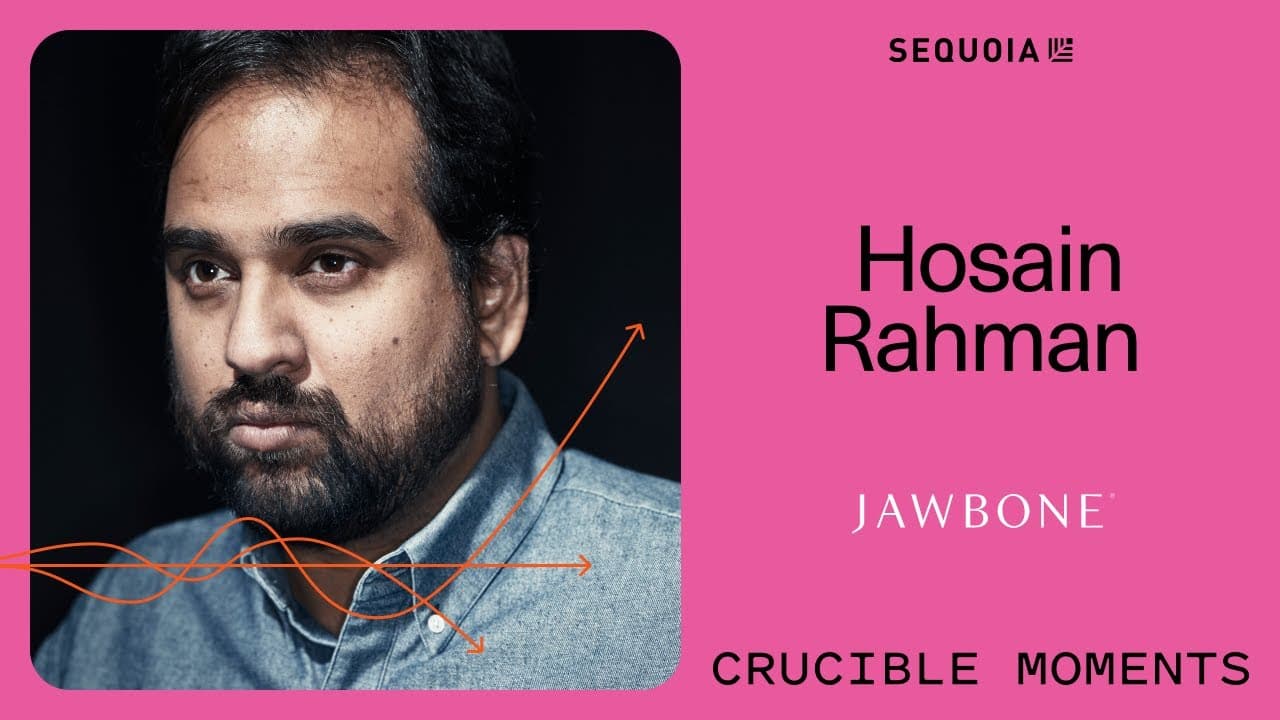
TL;DR
Jawbone fell from a nearly $4 billion valuation to liquidation because rapid growth concealed weak gross margins, product malfunctions, manufacturing shortages, inflated valuations, and fundraising challenges. Founded by Hosain Rahman and Alex Asseily, the company pioneered smart Bluetooth headsets and helped establish portable wireless speakers and wrist-worn fitness trackers. Read on for a grounded look at its innovations, critical mistakes, and lessons for startups.
Transcript
so you guys want like the raw answer like it doesn't leave you guys like me don't like to fail man we invented three categories that now like billions of people used that doesn't happen without what we did that was all us right wireless speakers like this didn't exist so you feel all those things viscerally welcome to Crucible moments a podcast abo... Read More
Key Insights
- Jawbone pioneered the wearable technology market with innovative products like the UP fitness tracker and Jambox wireless speaker, revolutionizing consumer electronics.
- Despite initial success, Jawbone suffered from product malfunctions, weak gross margins, and inflated valuations, leading to financial instability.
- The company's inability to adapt to market changes and competition from emerging tech giants like Apple and Fitbit contributed to its decline.
- Jawbone's downfall highlights the importance of sound financial management, particularly in maintaining healthy gross margins and realistic valuations.
- The company's story serves as a cautionary tale for startups, emphasizing the need for strategic decision-making and risk management in a volatile market.
- Co-founders Hosain Rahman and Alex Asseily reflect on their experiences, stressing the importance of learning from failure and adapting to new challenges.
- Jawbone's liquidation underscores the dangers of over-reliance on debt financing and the risks associated with aggressive expansion strategies.
- The lessons learned from Jawbone's journey remain relevant in today's era of capital constraints, offering valuable insights for entrepreneurs and investors.
Install to Summarize YouTube Videos and Get Transcripts
Explore YouTube Video Summarizer or Get YouTube Transcript Extractor
Questions & Answers
Q: Why did Jawbone rise and fall?
Jawbone rose by pioneering smart Bluetooth headsets and creating popular products such as the Jambox portable wireless speaker and UP fitness tracker. It fell after weak gross margins, product malfunctions, manufacturing shortages, inflated valuations, and fundraising challenges undermined the business, eventually taking it from a nearly $4 billion valuation to liquidation.
Q: What products and technology did Jawbone pioneer?
Jawbone developed what the transcript calls the world’s first smart Bluetooth headset, using bone-conduction technology around the ear to reduce surrounding noise. It also helped create the portable wireless-speaker category with Jambox and pioneered wrist-worn fitness tracking with UP.
Q: How did Jawbone get started?
Hosain Rahman and Alex Asseily met while playing rugby at Stanford and became friends after an initially tense introduction. In 1999, they formed a company originally called Aliph or AliphCom to make talking to a phone on the move easier by cleaning up background noise.
Q: What made the first Jawbone headset innovative?
The headset used bone conduction around the ear to isolate speech and remove surrounding noise. Jawbone paired that technology with careful product design, releasing its first wireless headset in 2006 after difficult early years and repeated iteration.
Q: How successful was the Jambox speaker?
Jambox became widely popular after its introduction in 2010, appearing on trains, beaches, dinner tables, and at parties. Its portability let people carry a wireless speaker in a bag, while strong product sales helped Jawbone’s valuation continue to rise.
Q: What financial and operational problems hurt Jawbone?
Jawbone faced weak gross margins, product malfunctions, manufacturing shortages, inflated valuations, and fundraising challenges. These problems were obscured for a time by rapid growth and popular products, but ultimately contributed to the company’s liquidation.
Q: How did competition and market changes affect Jawbone?
Jawbone struggled to adapt as competition from Apple and Fitbit intensified and consumer preferences changed. According to the existing page insights, this weakened its market position and contributed to its decline.
Q: What can startups learn from Jawbone’s failure?
Jawbone’s story emphasizes sound fundamentals, operating rigor, healthy gross margins, realistic valuations, adaptability, and careful risk management. It also shows why leaders must make hard decisions at critical junctures instead of allowing exciting growth to conceal financial and operational weaknesses.
Summary & Key Takeaways
-
Jawbone was a trailblazer in wearable technology, introducing groundbreaking products like the UP fitness tracker and Jambox speaker. However, financial mismanagement and product issues led to its downfall. The company's story offers crucial lessons for startups in managing growth, valuations, and market competition.
-
Despite early success, Jawbone's financial struggles and inability to adapt to market shifts resulted in its liquidation. Co-founders Hosain Rahman and Alex Asseily share insights on the importance of strategic decision-making and learning from failure, offering guidance for future entrepreneurs.
-
Jawbone's rise and fall highlight the significance of maintaining sound financial practices and realistic valuations. The company's experience serves as a cautionary tale for startups navigating a competitive and capital-constrained market, emphasizing the need for adaptability and risk management.
Read in Other Languages (beta)
Share This Summary 📚
Summarize YouTube Videos and Get Video Transcripts with 1-Click
Try YouTube Summary with ChatGPT & Claude or YouTube Transcript Generator
Explore More Summaries from Sequoia Capital 📚






Summarize YouTube Videos and Get Video Transcripts with 1-Click
Try YouTube Summary with ChatGPT & Claude or YouTube Transcript Generator