What Are the 6 Creative Skills AI Can’t Replace?
TL;DR
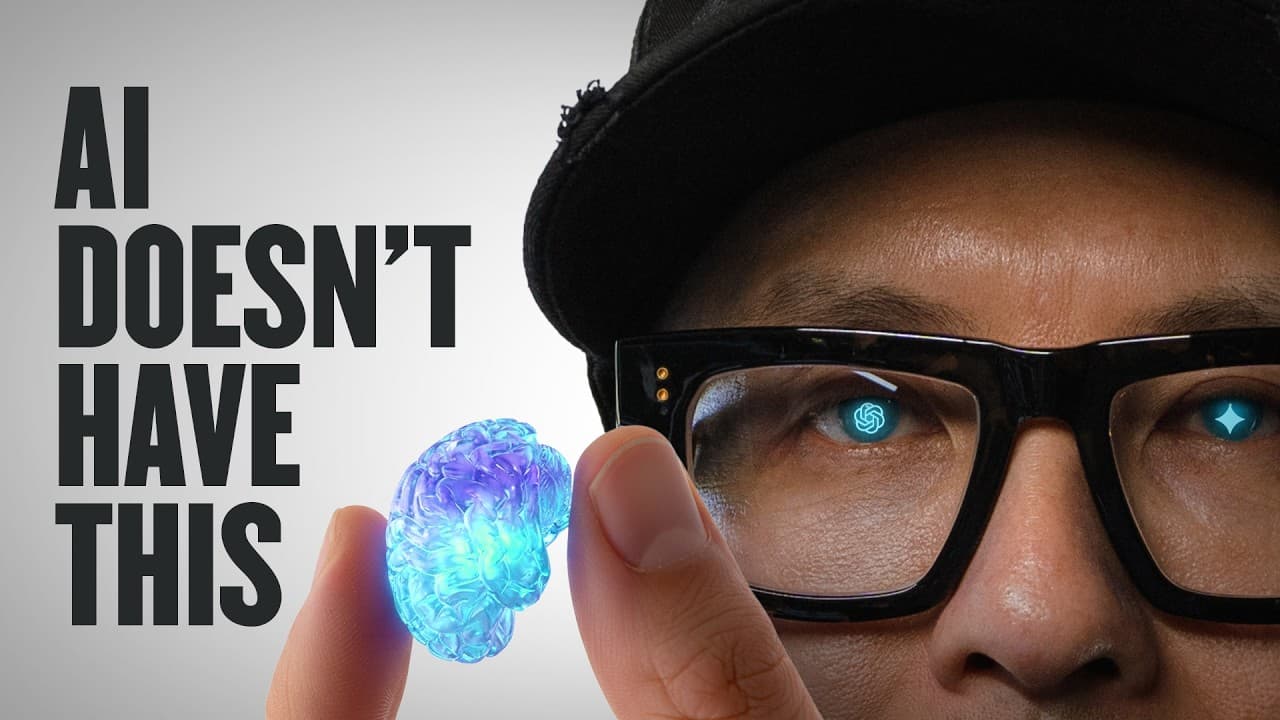
The six creative skills AI can’t replace are strategic thinking, emotional intelligence, original ideation, creative judgment, storytelling, and relationship building. Together, they help professionals define the real problem, perceive emotional subtext, make conceptual leaps, select resonant ideas, communicate through human experience, and earn client trust. Read on to understand why each skill matters and how creative professionals can strengthen their value.
Transcript
If you're scared about what AI means for your career, keep watching. AI is moving fast, tools are getting better, and yes, some jobs sadly will disappear. But if you're a creative professional worried about being replaced, here's what you need to know. In this video, I want to walk you through the six highinccome skills creative professionals must ... Read More
Key Insights
- Strategic thinking is the ability to define problems, ask the right questions, and lead creative strategy through ambiguity. AI may generate options or plausible answers, but a professional creates greater value by framing the real problem and establishing why it deserves to be solved.
- Client leadership depends on recognizing nuance that is not fully captured in a written brief. Smart strategic questions can align participants and resolve conflicting ideas, while attention to micro-expressions, body language, hesitation, and subtle conversational shifts helps reveal concerns that have not been stated directly.
- Emotional intelligence is the ability to read people, perceive subtext, and communicate in a way that feels right rather than merely looks right. A person who can read the room can lead it because clients first need to feel understood, seen, and heard.
- Branding is an irrational emotional connection to a product, service, or organization. Purchasing decisions may appear to concern price, features, or service, but gut feelings, shared interests, personal associations, unconscious biases, and perceived trust can influence which person or company someone chooses.
- Original creativity is the ability to generate large ideas, accept risk, and make conceptual leaps. AI recognizes and remixes patterns from existing work, while breakthrough ideas often break patterns through messy experimentation, intuition, courage, and connections formed from a creator's accumulated lived experiences.
- Divergent thinking assumes that a problem can have multiple solutions and searches for the most desirable outcome. Designers act as futurists by rehearsing possible outcomes, comparing alternative paths, and selecting a direction rather than treating creativity as a straight journey between two fixed points.
- Creative judgment is the ability to distinguish strong work from weak work and decide what fits a brand or will connect with people. Generating many versions is less valuable than curating, shaping, and explaining why one option works better than the others.
- Taste is developed through curiosity, exposure, and serious study rather than requiring a cultured upbringing. Studying photography, art, illustration, architecture, books, and magazines reveals professional vocabulary, timeless concepts, historical precedents, and invisible rules that support better decisions about future creative work.
Install to Summarize YouTube Videos and Get Transcripts
Explore YouTube Video Summarizer or Get YouTube Transcript Extractor
Questions & Answers
Q: What are the six creative skills AI can’t replace?
The six skills are strategic thinking, emotional intelligence, original ideation, creative judgment, storytelling, and relationship building. Creative professionals should strengthen, combine, and lead with these capabilities rather than treat them as specific jobs.
Q: Why is strategic thinking valuable in the age of AI?
Strategic thinking defines the real problem, asks the right questions, and establishes why the work matters. AI can generate options or plausible answers, but a professional can guide clients through ambiguity, reconcile conflicting ideas, and think strategically over the long term.
Q: How does emotional intelligence improve creative work and client relationships?
Emotional intelligence helps professionals notice hesitation, awkward silences, micro-expressions, body language, and unspoken concerns. Responding to that subtext helps clients feel understood, seen, and heard, which supports the trust required to do business together.
Q: Why do emotions influence branding and purchasing decisions?
Branding is described as an irrational emotional connection to a product, service, or organization. Although buyers may cite price, features, or service, gut feelings, shared interests, personal associations, unconscious biases, and perceived trust can influence their choice.
Q: Why is original creativity difficult for AI to replace?
AI recognizes and remixes patterns from existing work, while original creativity may require breaking patterns through intuition, experimentation, risk, and unexpected connections. Creative professionals draw on accumulated lived experiences and need the courage to explore ideas that may initially be wrong.
Q: What is divergent thinking in creative work?
Divergent thinking assumes that a problem can have multiple possible solutions and searches for the most desirable outcome. Creative professionals rehearse different futures, compare alternative paths, and select an appropriate direction instead of treating creativity as a straight journey between fixed points.
Q: What is creative judgment, and why does it matter?
Creative judgment is the ability to distinguish strong work from weak work and decide what fits a brand or will connect with people. Generating many versions is less valuable than curating and shaping the options, choosing the strongest one, and explaining why it works.
Q: How can creative professionals develop better taste?
They can build taste through curiosity, broad exposure, and serious study of photography, art, illustration, architecture, books, and magazines. Exploring these disciplines reveals historical precedents, professional vocabulary, timeless concepts, recurring patterns, and invisible rules that support better creative decisions.
Summary & Key Takeaways
-
Creative professionals should strengthen and combine deeply human capabilities instead of treating them as specific job titles. Strategic thinking adds value by identifying the real problem, clarifying why the work matters, asking intelligent questions, resolving conflicting ideas, and guiding clients through uncertainty rather than simply executing tasks or producing more options.
-
Emotional intelligence helps professionals recognize hesitation, awkward silences, body language, unconscious preferences, and feelings that are not expressed directly. These signals matter because branding and purchasing decisions involve emotional connections. Clients must feel understood, seen, and heard before they will trust someone enough to do business with them.
-
Original ideation and creative judgment complement one another. Breakthrough concepts emerge through intuition, experimentation, lived experience, and unexpected connections, while judgment determines which ideas are appropriate and effective. Professionals can improve their taste by studying creative history, exploring many disciplines, following curiosity deeply, and recognizing patterns across accumulated references.
Read in Other Languages (beta)
Share This Summary 📚
Summarize YouTube Videos and Get Video Transcripts with 1-Click
Try YouTube Summary with ChatGPT & Claude or YouTube Transcript Generator
Explore More Summaries from The Futur 📚

Summarize YouTube Videos and Get Video Transcripts with 1-Click
Try YouTube Summary with ChatGPT & Claude or YouTube Transcript Generator