What caused polio vaccine trust to falter in America
TL;DR
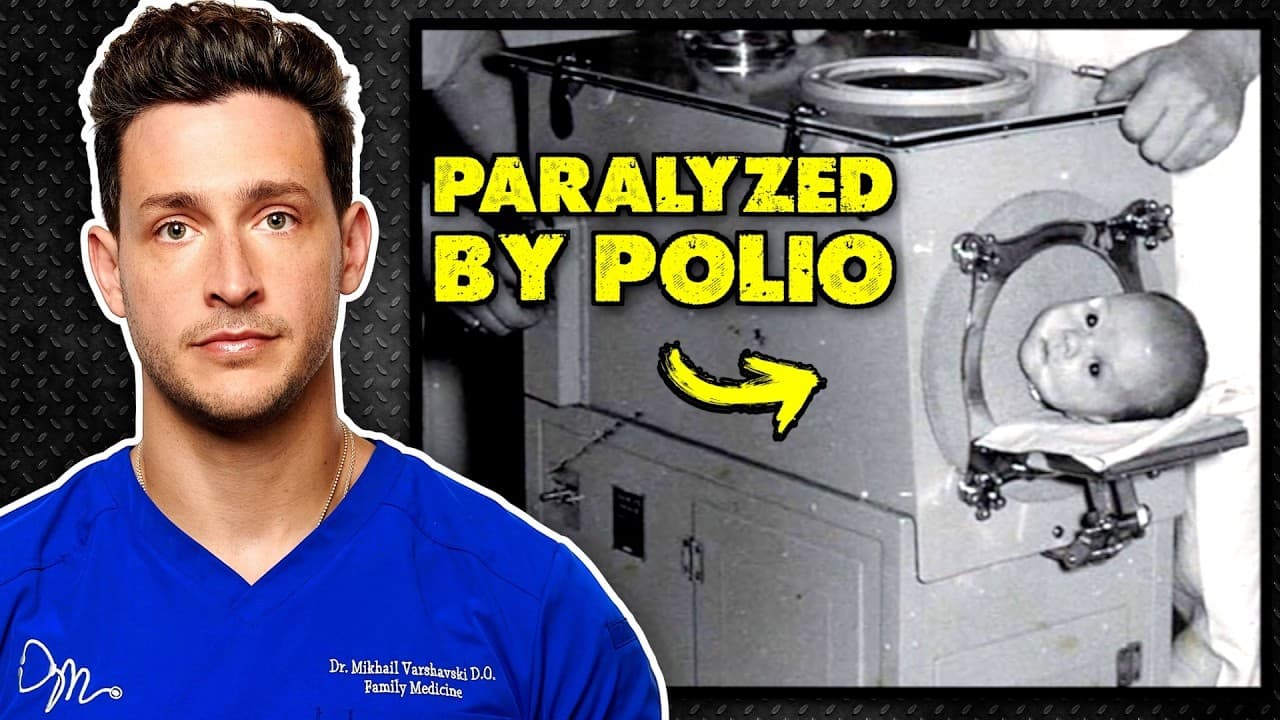
The polio vaccine earned trust by proving safe and effective, yet public perception was shaped by fame, patent debates, and production mishaps. Salk refused a patent, emphasizing public ownership, while Cutter’s mishandling showed how manufacturing flaws could erode confidence. The rollout dramatically reduced polio but left a lasting skepticism toward government and medicine.
Transcript
- What would you say if I told you a doctor invented a vaccine worth $7 billion but didn't see a single penny? That he tested his experimental drug on his own children? That his vaccine would go on to save the lives of millions of people? That it would also lay the foundation of skepticism towards the government that would last for well over 70 yea... Read More
Key Insights
- Salk pursued a killed or inactivated vaccine rather than a live one to minimize infection risk. The approach prioritized safety over immediacy of immunity and shaped later vaccine development strategies.
- Public trust was initially fostered by a massive, nationwide funding effort through the March of Dimes that connected citizens to the polio cause.
- The decision not to patent the vaccine positioned it as a public good and prevented profits from vaccination, aligning with the wartime and postwar ethos of universal access.
- The vaccine's success led to iconic public moments and celebrity endorsements that boosted uptake, illustrating the power of media in public health campaigns.
- Public health victory can give rise to celebrity status for scientists, which can complicate professional privacy and workload, altering career dynamics.
- Production problems at Cutter revealed how quality control failures can undermine confidence even when overall results are positive.
- The Cutter incident demonstrated that vaccine safety is not just about efficacy but also about safe manufacturing processes.
- Public memory of polio blends fear of disease with admiration for scientists, and this complicated mix influenced attitudes toward subsequent vaccination programs
- More videos from this channel:
- More from this channel: Doctor Mike
Install to Summarize YouTube Videos and Get Transcripts
Explore YouTube Video Summarizer or Get YouTube Transcript Extractor
Questions & Answers
Q: A real search query question about the video (e.g. 'How to...', 'What is...', 'Why does...', 'When should...'). Question 1
What is the core reason the polio vaccine campaign changed public trust in medicine and government after the 1950s rollout The answer is multi faceted: the vaccine worked brilliantly reducing polio cases, which built trust, but visibility of the vaccine program and the Cutter incident, where a production error caused illness, created lasting skepticism about manufacturing safety and institutional governance. Public trust depends on both scientific validation and reliable delivery systems.
Q: Question 2
Why did Jonas Salk refuse to patent the polio vaccine and how did that decision affect public perception and access It was a deliberate choice to treat the vaccine as a public good rather than a proprietary product. This stance reinforced the image of science serving society rather than private profit, potentially boosting public confidence and facilitating widespread vaccination by removing cost barriers and licensing hurdles.
Q: Question 3
How did the March of Dimes contribute to accelerating polio research and vaccine development The March of Dimes acted as a nationwide fundraising engine that mobilized small contributions into large research budgets. This public participation created a sense of collective effort, legitimized scientists, and provided the financial foundation to recruit top researchers and build state of the art facilities.
Q: Question 4
What were the contrasting approaches of Salk and Sabin in polio vaccine development Salk developed a killed vaccine that used inactivated virus, prioritizing safety and broad public use. Sabin pursued a live attenuated version that could induce immunity with a simpler delivery method but carried a theoretical risk of reactivation, leading to ongoing debates about optimal strategies.
Q: Question 5
What impact did the Cutter incident have on vaccine policy and monitoring After Cutter, policy makers intensified quality control, production oversight, and communication strategies about vaccine safety. The incident underscored that even successful vaccines require rigorous manufacturing standards to prevent dangerous lot releases and maintain public trust during scale up.
Q: Question 6
How did public figures and media influence polio vaccine uptake The vaccine rollout was accompanied by television broadcasts, theater screenings, and endorsements, which created a sense of immediacy and communal relief. Media visibility helped normalize vaccination and accelerated acceptance across diverse communities.
Q: Question 7
What does the polio vaccine story reveal about the ethics of medical innovation The story shows a tension between rapid public health gains and the accountability of testing and manufacturing processes. It highlights the duty to minimize risk to patients, to be transparent about limitations, and to prioritize patient welfare over sensational publicity.
Q: Question 8
How did public health messaging evolve after the polio era The era demonstrated the importance of clear risk communication, consistent messaging about vaccine safety, and ongoing surveillance. It also set expectations for rapid dissemination of results and the need to respond promptly to any manufacturing issues to protect public confidence
Summary & Key Takeaways
-
The polio vaccine story shows how scientific success and public trust can diverge, especially when fame and corporate risk collide with health outcomes. It highlights the tension between open access and proprietary incentives, and how manufacturing safety incidents can shake confidence.
-
Public health campaigns can achieve dramatic disease reduction, but sustained trust requires transparent communication, responsible leadership, and robust quality controls that reassure the public during and after rollout.
-
The narrative also underscores the human element in science, including personal risk, ethical choices about patents, and the enduring impact of early public health milestones on future attitudes toward vaccines.
Read in Other Languages (beta)
Share This Summary 📚
Summarize YouTube Videos and Get Video Transcripts with 1-Click
Try YouTube Summary with ChatGPT & Claude or YouTube Transcript Generator
Explore More Summaries from Doctor Mike 📚




Summarize YouTube Videos and Get Video Transcripts with 1-Click
Try YouTube Summary with ChatGPT & Claude or YouTube Transcript Generator