What Is the Best Hoplite Trapping Strategy? Combining PvP With a Hole Trap Featuring Flowtives
TL;DR
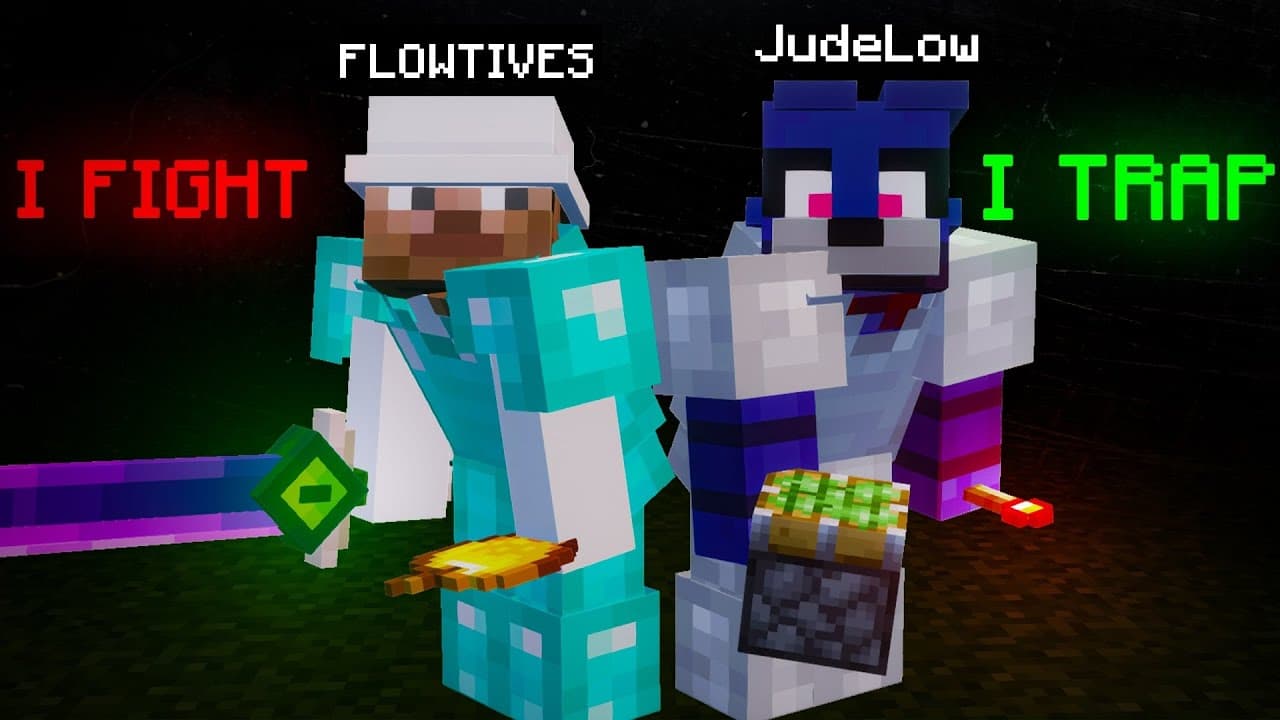
The best featured Hoplite trapping strategy combines ordinary PvP with a large hole that serves as a planned retreat point, where teammates use knockback swords to push pursuing players inside. The trap produced 13 trapping kills in game one, but the team lost after struggling to manage its loot; game two shows how Flowtives added better combat coordination and decision-making, making the full breakdown worth reading.
Transcript
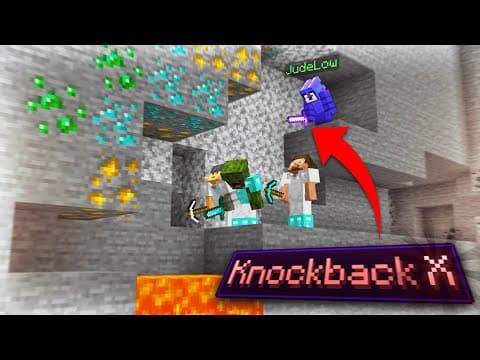
what if you combine trapping and PVP in this video we built a big hole and we use knockback swords to [ __ ] slap hoplight players in the idea of the video is to combine PVP and trapping into one if you want to fight someone go for it but if you're getting [ __ ] up run back to your hole and [ __ ] La them in in game one I show you the power of the... Read More
Key Insights
- The strategy is a hybrid of trapping and PvP, allowing players to fight normally before retreating toward a prepared hole whenever the engagement becomes unfavorable. This makes the trap part of the team's broader combat plan instead of a separate tactic that depends entirely on surprise.
- The large hole is most effective when pursuing opponents believe they are chasing vulnerable players. Teammates can guide enemies toward the opening, establish the correct knockback angle, and strike them with knockback swords before the targets recognize the danger or change direction.
- Team positioning is essential because one player can act as bait while others wait near the trap or approach from behind. The transcript repeatedly shows players calling teammates back, warning about attackers, and directing hits toward the person positioned beside the hole.
- The first game produced 13 trapping kills and additional regular kills, proving that the hole could eliminate many opponents in a single match. The resulting player heads and equipment filled the team's storage, although the volume of loot also created confusion about what to keep or craft.
- A large kill count does not guarantee victory because the team still needs to organize loot, select upgrades, heal, and prepare for later fights. After the first game's successful trapping sequence, the group admitted that it did not know what to make and ultimately lost.
- Flowtives' value comes from situational decision-making as much as mechanical PvP skill. During the death match, he continuously issued instructions about whom to attack, when to disengage, where to regroup, and which opposing teams should be allowed to fight each other first.
- Late-game patience can be stronger than constant aggression when hostile teams already dislike each other. Flowtives predicted that a geared opponent would prioritize another team, so his group waited, let those players trade damage, and entered the fight when the situation became more favorable.
- Focused attacks improve a team's ability to finish targets quickly. During the final engagements, Flowtives repeatedly directed both teammates toward specific opponents, helped remove pressure from them, and discouraged scattered fights, turning coordinated target selection into a decisive advantage.
Install to Summarize YouTube Videos and Get Transcripts
Explore YouTube Video Summarizer or Get YouTube Transcript Extractor
Questions & Answers
Q: How do you combine trapping and PvP in Hoplite?
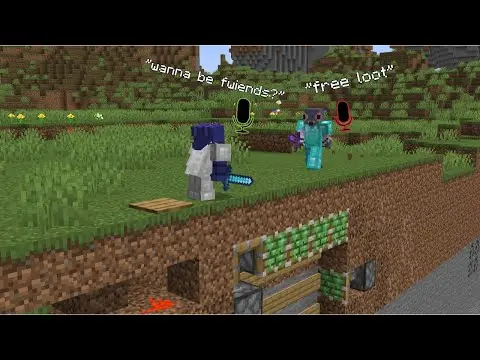
Build a large hole and use it as a fallback point during ordinary PvP fights. If the fight turns against your team, retreat toward the hole, lure pursuing players into range, and have teammates use knockback swords to push them inside.
Q: How does the knockback hole trap work in Hoplite?
One or more players lead opponents toward a large hole while teammates prepare to strike from the correct angle. Once the pursuers approach the edge, the team uses knockback swords and coordinated hits to force them into the opening.
Q: What roles should teammates use for the Hoplite hole strategy?
One player can act as bait by fighting briefly and then retreating toward the hole. Teammates should position near the trap or behind the pursuers, warn each other about incoming players, and coordinate where and when to deliver the knockback hits.
Q: How many trapping kills did the strategy produce in the first game?
The team recorded 13 trapping kills in the first game, plus a number of regular kills. The defeated players left many heads and other items, filling the team's storage with more loot than it could manage effectively.
Q: Why did the team lose after getting 13 trapping kills?
The team became overwhelmed while sorting its loot and deciding what to craft. Although the players discussed heads, healing, amethyst, weapons, and upgrades, they admitted they did not know what to make and ultimately lost the game.
Q: What did Flowtives contribute to the second Hoplite game?
Flowtives provided both PvP ability and situational leadership. He directed teammates when to bait opponents, retreat, regroup, focus a target, or avoid an unnecessary fight, helping the group convert its opportunities into a win.
Q: How should a team approach the Hoplite death match?
The team should avoid chasing every opponent and pay attention to which rival groups are already fighting. In the featured death match, Flowtives called retreats and targets, kept teammates together, and let hostile teams damage each other before his group entered favorable fights.
Q: What is the main lesson from the two Hoplite games?
A powerful trap can generate many kills, but kills alone do not secure a win. The first game ended in defeat despite 13 trapping kills, while Flowtives' target calls, controlled retreats, patience, and coordination helped the team win the second game.
Summary & Key Takeaways
-
The central strategy combines direct PvP with a large hole trap. Players can take ordinary fights, then retreat toward the prepared hole when pressured. Teammates positioned near the trap use knockback swords and coordinated attacks to push pursuing enemies into it, turning an apparent retreat into a planned ambush.
-
The first game demonstrated the trap's raw killing power. Multiple opponents chased the team toward the hole and were knocked inside, creating a flood of dropped heads and other loot. The group recorded 13 trapping kills plus regular kills, but poor inventory management and uncertainty about crafting prevented them from converting the advantage into victory.
-
The second game paired the trapping plan with Flowtives' combat leadership. Beyond winning fights, he identified targets, directed retreats, managed timing, and used rivalries between opposing teams during the death match. His instructions helped the group avoid unnecessary engagements, clean weakened opponents, focus targets together, and secure the game win.
Read in Other Languages (beta)
Share This Summary 📚
Summarize YouTube Videos and Get Video Transcripts with 1-Click
Try YouTube Summary with ChatGPT & Claude or YouTube Transcript Generator
Explore More Summaries from JudeLow 📚

Summarize YouTube Videos and Get Video Transcripts with 1-Click
Try YouTube Summary with ChatGPT & Claude or YouTube Transcript Generator