How Does OpenAI Five Learn to Play Dota 2?
TL;DR
OpenAI Five learns Dota 2 through deep reinforcement learning, using rewards and punishments instead of receiving human-coded playing instructions. After ten months and more than 45,000 years of simulated gameplay, it was prepared to face world champion team OG live, demonstrating a distinctive play style and the broader potential of general-purpose learning systems.
Transcript
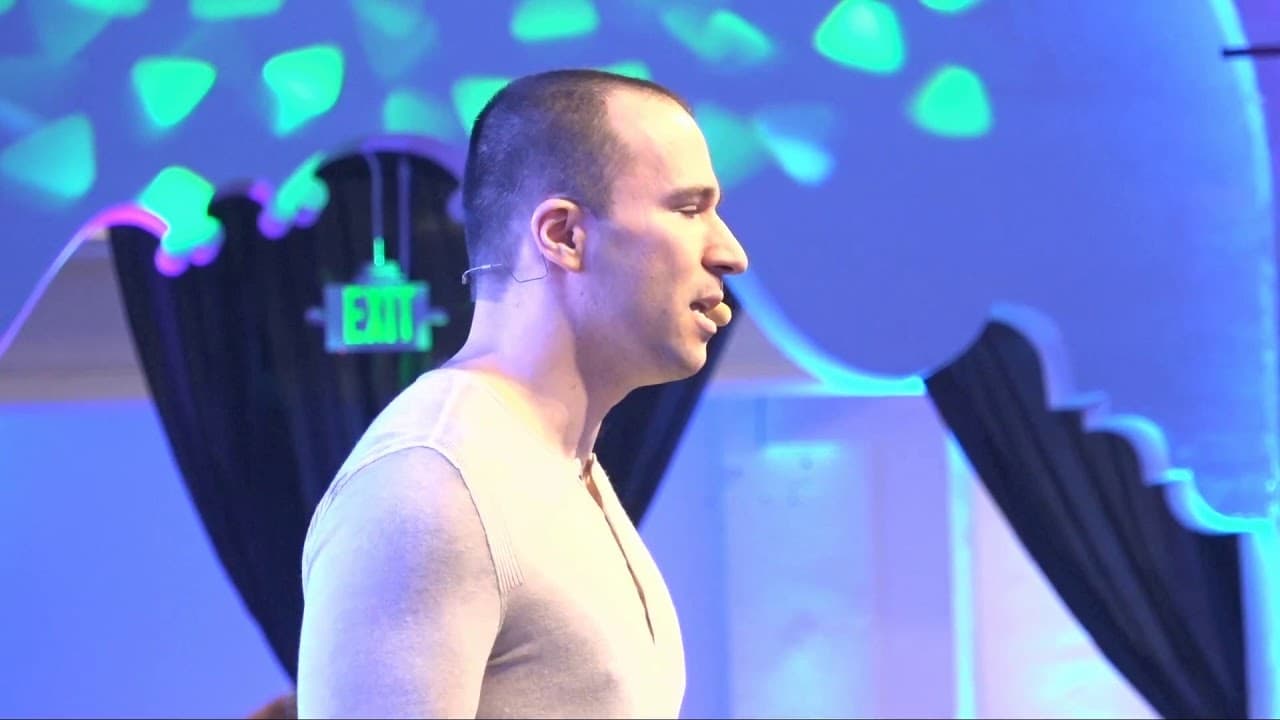
ladies and gentlemen welcome to the open ai-5 finals we're gonna start off by talking a little bit about the project obviously main attraction will be opening I five playing against OG but we also have a couple of surprises after that so make sure you stick around for that as well and I of course will not be doing that alone I am Shiva dream Vander... Read More
Key Insights
- OpenAI Five is an AI system designed to learn Dota 2 and compete as a team. The finals marked its first attempt to play the world champions, OG, whose performance was described as being on another level compared with every team the system had previously faced.
- Deep reinforcement learning is the foundation of OpenAI Five. The developers did not code explicit instructions for how to play Dota 2. They coded a way to learn, allowing the system to experiment with random actions and improve through rewards and punishments.
- OpenAI Five accumulated more than 45,000 years of Dota 2 gameplay during its ten months of existence. This extensive experience came from its learning process and prepared it for a live encounter whose result remained uncertain even to the team that created it.
- OpenAI Five's play style is presented as its own creative product. According to the keynote, the strategies and behaviors shown during the match were dreamed up by a computer rather than directly anticipated and specified by human programmers.
- Dota 2 requires capabilities associated with innovation, creativity, and understanding. The keynote contrasts this challenge with conventional programs, which can break when they encounter circumstances their human programmers did not anticipate, and argues that learning offers a different approach.
- The underlying learning code is general-purpose because it does not inherently know that it was developed for Dota 2. This characteristic suggests that the same learning approach can potentially support interactive systems beyond games without relying on task-specific instructions.
- Deep reinforcement learning had already been used by the organization to control a robot hand that the keynote says nobody could program directly. This example was offered as evidence that learning systems can solve control problems that resist conventional programming.
- The OpenAI Five Finals was announced as the project's final public event, although future Dota projects were still expected. The event also included additional surprises and emphasized public interaction with an unfamiliar but tangible form of machine intelligence.
Install to Summarize YouTube Videos and Get Transcripts
Explore YouTube Video Summarizer or Get YouTube Transcript Extractor
Questions & Answers
Q: How does OpenAI Five learn to play Dota 2?
OpenAI Five learns through deep reinforcement learning rather than through detailed human-written instructions for playing Dota 2. Its developers coded a method for learning, after which the system tried random actions and received rewards or punishments based on the results. Through that process, it developed its own behavior and play style instead of merely following predetermined strategies.
Q: How much Dota 2 experience did OpenAI Five accumulate?
OpenAI Five accumulated more than 45,000 years of Dota 2 gameplay during its ten months of existence. The keynote uses this figure to illustrate the scale of practice available through its learning process. That experience prepared the system for the finals against OG, although the OpenAI team still said it did not know whether the AI would win or lose.
Q: Why was OpenAI Five's match against OG considered historic?
The match was presented as the first time an AI had attempted to play the world champions in an esports game. Other AI projects had defeated strong professional players privately, but the keynote said nobody had seen such a result happen live. If OpenAI Five won, the audience could therefore witness a notable first rather than hearing about a private test afterward.
Q: What makes OpenAI Five different from conventional computer programs?
Conventional programs are described as systems whose behavior is explicitly coded by human programmers and which may break when they encounter situations those programmers did not anticipate. OpenAI Five instead uses deep reinforcement learning to discover behavior through experimentation, rewards, and punishments. This process enables it to produce strategies and a play style that were not directly written into its code.
Q: Why does playing Dota 2 require a learning system?
The keynote argues that playing Dota 2 requires abilities resembling innovation, creativity, and genuine understanding. Those demands make a rigid program based entirely on anticipated situations less suitable, because unexpected circumstances can cause conventional software to fail. OpenAI Five addresses the challenge by learning from actions and outcomes, allowing it to develop responses rather than relying only on fixed human instructions.
Q: Is OpenAI Five's technology limited to Dota 2?
The learning technology is presented as general-purpose rather than inherently limited to Dota 2. Brockman says the learning code does not even know that it is intended for the game. Because it learns from rewards and punishments instead of depending exclusively on task-specific gameplay instructions, the approach may also support robots, creative assistants, and other interactive systems.
Q: What non-gaming applications were mentioned for this technology?
The keynote mentions a robot hand that was controlled using similar technology after proving too difficult to program directly. It also identifies elderly-care robots, creative assistants, and other interactive systems as possible future applications. These examples are presented as expectations and possibilities, not as completed products, and they illustrate the potential reach of general-purpose learning beyond Dota 2.
Q: Was the OpenAI Five Finals the end of all Dota projects?
The finals was announced as the final public event for OpenAI Five, which explains the event's name and concluding tone. However, it was not described as the end of every Dota-related effort. Brockman said the organization expected to undertake other Dota projects in the future, while thanking the team, supporting organizations, test teams, casters, commenters, and OG.
Summary & Key Takeaways
-
OpenAI chairman and CTO Greg Brockman introduces the finals as a historic live test between OpenAI Five and OG. Although other AI systems had defeated strong professional players privately, he says this event could become the first occasion when an AI victory over world champions in an esports game was witnessed live.
-
OpenAI Five was not programmed with detailed instructions for playing Dota 2. Its developers instead coded a learning process based on random actions, rewards, and punishments. During ten months of existence, the system accumulated more than 45,000 years of gameplay and developed a creative play style described as entirely its own.
-
The project represents more than a contest between an AI system and OG. Its learning code does not inherently know that it was created for Dota 2, making the underlying technology general-purpose. Brockman connects this approach with robot-hand control and possible future systems such as elderly-care robots and creative assistants.
Read in Other Languages (beta)
Share This Summary 📚
Summarize YouTube Videos and Get Video Transcripts with 1-Click
Try YouTube Summary with ChatGPT & Claude or YouTube Transcript Generator
Explore More Summaries from OpenAI 📚




Summarize YouTube Videos and Get Video Transcripts with 1-Click
Try YouTube Summary with ChatGPT & Claude or YouTube Transcript Generator