Why Did the Trump-Putin Budapest Meeting Fail?
TL;DR
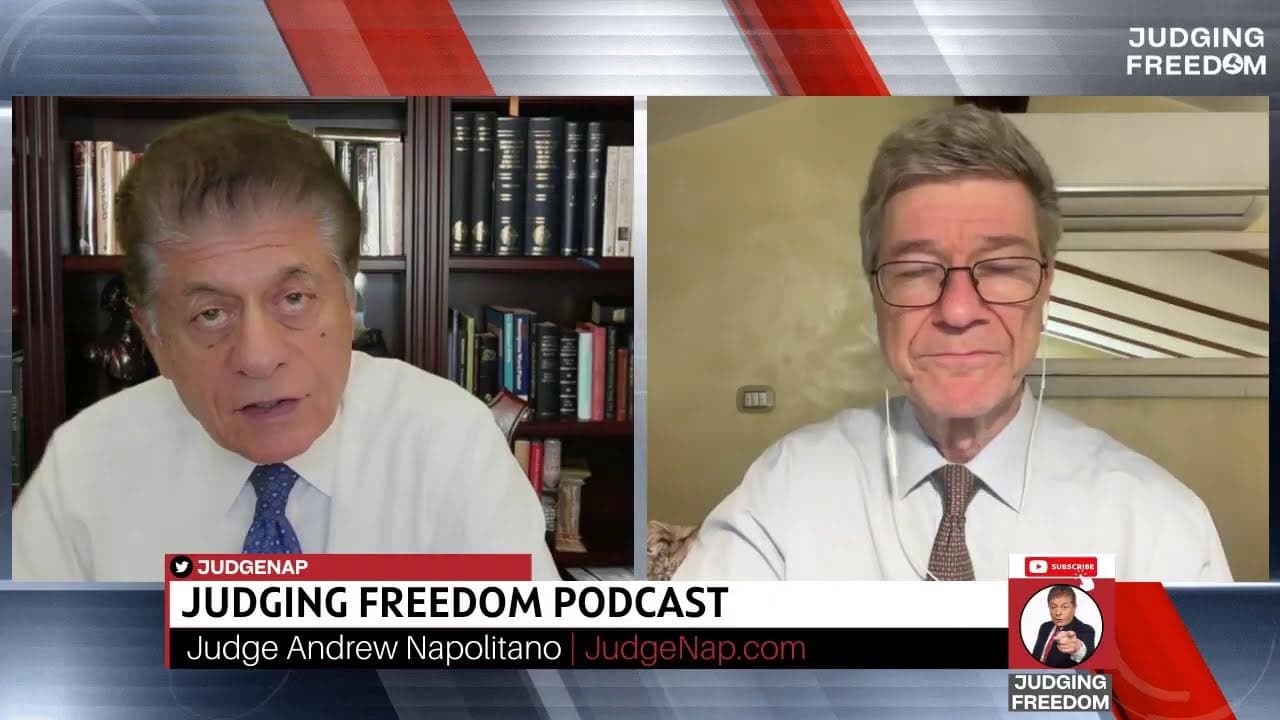
The United States canceled the proposed Budapest meeting after President Trump demanded an immediate ceasefire that Russia would not accept, according to Jeffrey Sachs. Sachs argues that negotiations must address Russia's security concerns, NATO enlargement, Ukrainian neutrality, and territorial disputes, while warning that long-range missile strikes and new sanctions could intensify the conflict and increase the danger of a wider war.
Transcript
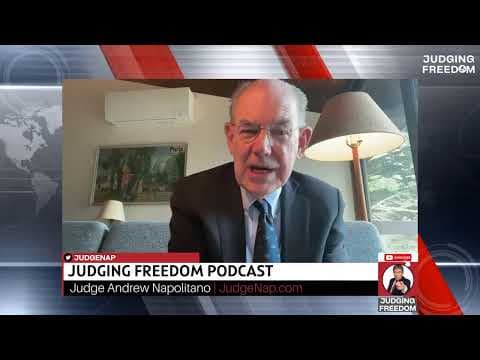
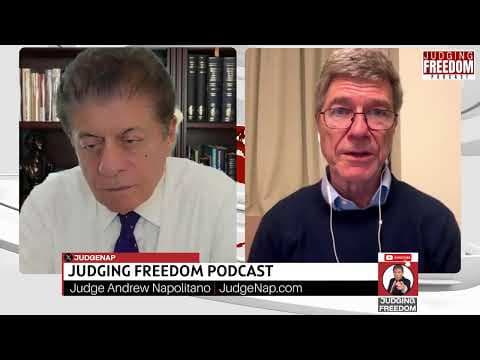
Hi everyone, Judge Andrew Npalitano here for Judging Freedom. Today is Wednesday, October 22nd, 2025. Professor Jeffrey Saxs joins us now. Professor Saxs, thank you for accommodating my schedule. I do want to talk to you about Israel's next moves. But before uh we do that, do we know, Professor Saxs, if it was Russia or the United States that cance... Read More
Key Insights
- The Budapest meeting was canceled by the United States, according to Jeffrey Sachs, after President Trump demanded an immediate ceasefire. Sachs says this reversed Trump's earlier position that negotiations should resolve the conflict's underlying causes rather than merely pause battlefield operations.
- Russia's opposition to an immediate ceasefire is based on military and security concerns, according to Sachs. He says Russian officials believe NATO would use a pause to restock Ukraine and that no lasting settlement is possible without addressing NATO bases, enlargement, and broader European security arrangements.
- Indivisible security is the negotiating concept Sachs says Russia wants applied to the conflict. It would place Russian, Ukrainian, European, and American security interests on the table together, with each side's concerns recognized rather than treating one country's security as separate from the others.
- Russia is the dominant battlefield power in Sachs's assessment, while Ukraine is losing soldiers and infrastructure each day. He says Russia will continue fighting and taking territory until negotiations address security demands and recognize territorial changes produced during the war.
- Ukraine's stated goals remain incompatible with Russia's conditions, according to Sachs. He says President Zelensky continues to seek NATO membership, the recovery of all claimed territory, and penalties against Russia, leaving little substantive overlap for a negotiated settlement.
- Public support for ending the war through negotiations is widespread among Ukrainians, Sachs claims, while Zelensky continues governing under martial law after his term. Sachs offers corruption and pressure from Ukraine's extreme right wing as possible explanations for the president's refusal to make peace.
- United States policy may be escalating the conflict through long-range weapons and sanctions. The interview cites a Wall Street Journal report that strike-approval authority returned to European Command and notes sanctions on Rosneft and Lukoil over Russia's alleged lack of commitment to peace.
- The military-industrial complex strongly influences American war policy, according to Sachs. He identifies intelligence agencies, the Pentagon, congressional armed services committees, contractors, and retired generals as interests that benefit from continued conflict and can pressure presidents to abandon their original policies.
Install to Summarize YouTube Videos and Get Transcripts
Explore YouTube Video Summarizer or Get YouTube Transcript Extractor
Questions & Answers
Q: Why was the Trump-Putin meeting in Budapest canceled?
Jeffrey Sachs says the United States canceled the proposed Budapest meeting after President Trump demanded that Russia accept an immediate ceasefire. Russia rejected that condition because it believed NATO could use a pause to restock Ukraine and because its fundamental security concerns would remain unresolved. Sachs portrays Trump's demand as a reversal of his earlier preference for addressing the conflict's underlying causes before stopping military operations.
Q: Why does Russia reject an immediate ceasefire in Ukraine?
Russia rejects an immediate ceasefire because it believes a temporary pause would allow NATO to resupply Ukraine, according to Sachs. He says Russia also regards the war as the product of unresolved security issues, especially NATO enlargement and the prospect of NATO bases in Ukraine. From this perspective, a ceasefire without a broader settlement would postpone the conflict rather than remove the conditions that caused it.
Q: What does indivisible security mean in the Ukraine conflict?
Indivisible security means that the security interests of Russia, Ukraine, Europe, and the United States should be considered together and respected in a comprehensive settlement. Sachs presents this as Russia's preferred framework for negotiations. Instead of protecting one side by creating insecurity for another, the parties would discuss NATO's role, Ukrainian neutrality, European security, Russian concerns, and the conditions required for ending the war.
Q: What conditions does Russia seek for ending the Ukraine war?
Sachs says Russia wants a settlement that addresses the conflict's fundamental causes and recognizes territorial changes resulting from the fighting. The central security issue is NATO enlargement, including the possibility of NATO bases in Ukraine. Sachs argues that a workable agreement would require a clear end to further NATO expansion and a neutral Ukraine, rather than an immediate ceasefire that leaves those disputes unresolved.
Q: How does Jeffrey Sachs assess Ukraine's battlefield position?
Sachs describes Russia as the dominant military power on the battlefield and says Ukraine is losing large numbers of soldiers through death and serious injury. He also says Ukrainian infrastructure is being destroyed and that Russia can continue taking territory. His conclusion is that Ukraine's position will deteriorate further unless negotiations address Russia's security demands and the territorial consequences of the war.
Q: Why does Sachs criticize President Zelensky's negotiating position?
Sachs criticizes Zelensky because he says the Ukrainian president still insists on NATO membership, recovery of every part of Ukraine's claimed territory, and penalties against Russia. Sachs regards those goals as incompatible with Russia's stated conditions. He also says polling shows an overwhelming majority of Ukrainians want the war ended through negotiations, while Zelensky continues governing under martial law after his term of office.
Q: How could long-range missile attacks and sanctions escalate the war?
The interview cites a Wall Street Journal report saying authority to approve Ukrainian use of Western long-range weapons against Russia was transferred back to European Command. It also notes United States sanctions on Rosneft and Lukoil. Sachs warns that these measures reflect pressure from military hardliners, could prolong the fighting, and may move the United States and Russia closer to a direct or nuclear confrontation.
Q: How does the military-industrial complex influence United States policy?
Sachs argues that the military-industrial complex can push presidents toward continued warfare even when they enter office promising peace. He identifies the CIA, National Security Agency, Pentagon, congressional armed services committees, weapons contractors, Silicon Valley interests, and retired generals serving on corporate boards. He says war generates substantial business and that only a strong, knowledgeable president can successfully resist pressure from these institutions.
Summary & Key Takeaways
-
Jeffrey Sachs says the United States canceled the proposed Budapest meeting after President Trump returned to demanding an immediate ceasefire. Russia, he argues, rejects a temporary pause because NATO could use it to resupply Ukraine, and instead wants negotiations addressing security concerns, NATO enlargement, Ukrainian neutrality, and territorial changes resulting from the war.
-
Sachs describes Russia as the dominant battlefield power and says Ukraine continues to lose soldiers, infrastructure, and territory. He argues that Russian leaders will continue military operations until the conflict's underlying causes are addressed. He also criticizes President Zelensky's NATO ambitions and territorial demands as incompatible with Russia's stated negotiating position.
-
The discussion warns that permitting Western long-range missile attacks inside Russia and sanctioning Rosneft and Lukoil could escalate the conflict. Sachs attributes the policy direction to the military-industrial complex, which he says influences presidents and profits from war. He contrasts Trump's inconsistency with Eisenhower's ability to resist pressure and stop wars.
Read in Other Languages (beta)
Share This Summary 📚
Summarize YouTube Videos and Get Video Transcripts with 1-Click
Try YouTube Summary with ChatGPT & Claude or YouTube Transcript Generator
Explore More Summaries from Judge Napolitano - Judging Freedom 📚
![[SPECIAL] Ryan Dawson : The Epstein Client List! thumbnail](/_next/image?url=https%3A%2F%2Fi.ytimg.com%2Fvi%2FGdcxDmhskAI%2Fhqdefault.jpg&w=750&q=75)
Summarize YouTube Videos and Get Video Transcripts with 1-Click
Try YouTube Summary with ChatGPT & Claude or YouTube Transcript Generator