What Happens If All Earth's Ice Melts?
TL;DR
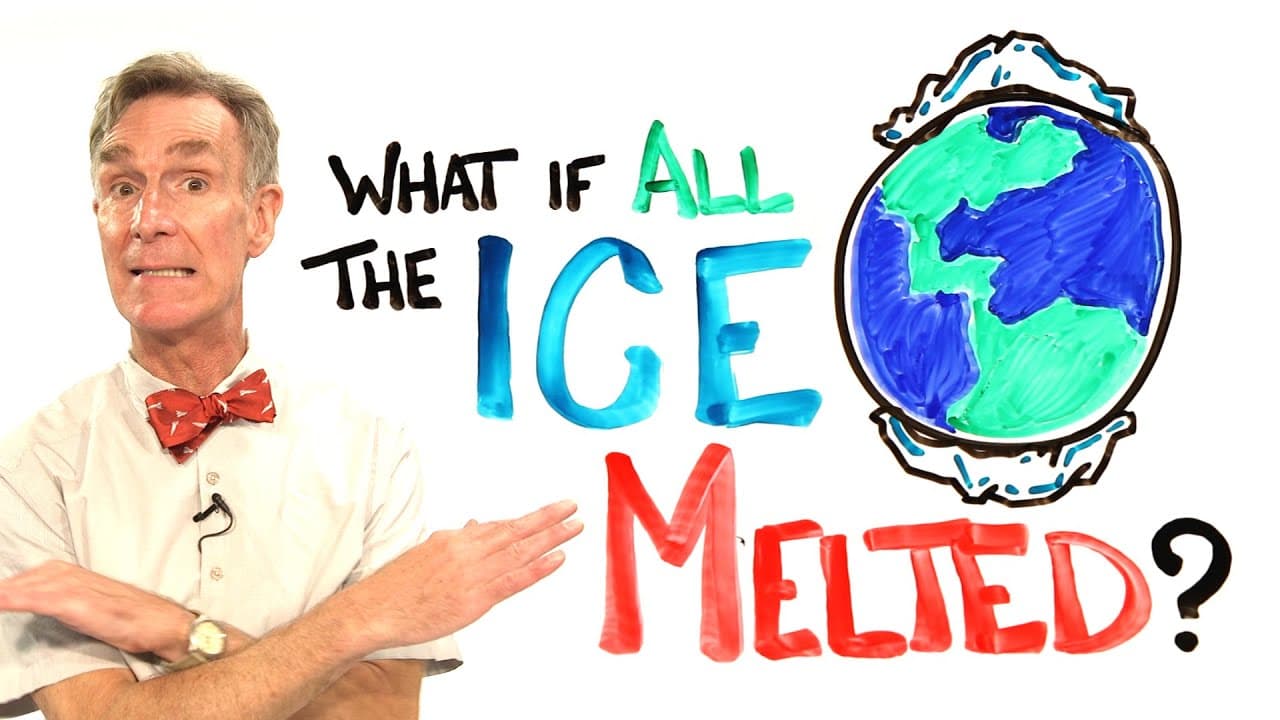
If all the ice on Earth were to melt, sea levels would rise by approximately 70 metres, displacing hundreds of millions and potentially transforming coastlines around the world. Additionally, the loss of ice disrupts ocean currents, impacting weather patterns and marine ecosystems, which could threaten food supplies and biodiversity.
Transcript
you've likely heard about the effects that climate change is having on our planet and specifically in the Arctic which is warming twice as fast but what would actually happen if all the ice melted on Earth I can help with that when you and I drink water we drink nons salty water we drink fresh water now of all the water in the world most of it is s... Read More
Key Insights
- 🫠 Melting Arctic sea ice has dire consequences for Arctic wildlife and marine ecosystems.
- 🫠 Rising sea levels resulting from melting ice will displace large populations and cause significant economic damage.
- 🫠 Disrupting ocean currents due to melting ice can have cascading effects on global climate patterns and food production.
- 🎙️ More videos with Bill Nye:
Install to Summarize YouTube Videos and Get Transcripts
Explore YouTube Video Summarizer or Get YouTube Transcript Extractor
Questions & Answers
Q: What is causing the melting of Arctic sea ice?
The melting of Arctic sea ice is primarily driven by global warming resulting from increased greenhouse gas emissions. As temperatures rise, the ice melts, leading to a decline in sea ice extent.
Q: How does melting ice affect Arctic wildlife?
Melting ice has drastic effects on Arctic wildlife, with species like polar bears, walruses, and seals losing their habitats. It also impacts ocean-dwelling animals by altering their food sources and migration patterns.
Q: How will rising sea levels due to melting ice impact coastal areas?
Rising sea levels pose a significant threat to coastal cities worldwide. Even a small rise in sea levels can lead to extensive flood damage, displacing millions of people and causing economic losses amounting to trillions of dollars annually.
Q: What are the potential consequences of disrupting ocean currents due to melting ice?
Disrupting ocean currents, such as the Gulf Stream, can have far-reaching effects. This could impact global climate patterns, including changes in temperature, crop growth, and supply chains, ultimately affecting food production and distribution.
Summary & Key Takeaways
-
The Arctic, which is warming twice as fast, has seen a significant decrease in sea ice extent due to global warming.
-
Melting sea ice affects Arctic marine species such as polar bears, walruses, and seals, as well as ocean-dwelling animals like bowhead whales and narwhals.
-
Melting land-based ice, primarily from Greenland and Antarctica, will significantly raise sea levels, leading to coastal flooding and displacement of millions of people.
Read in Other Languages (beta)
Share This Summary 📚
Summarize YouTube Videos and Get Video Transcripts with 1-Click
Try YouTube Summary with ChatGPT & Claude or YouTube Transcript Generator
Explore More Summaries from AsapSCIENCE 📚




Summarize YouTube Videos and Get Video Transcripts with 1-Click
Try YouTube Summary with ChatGPT & Claude or YouTube Transcript Generator