How to Stay Calm Using Four Japanese Methods
TL;DR
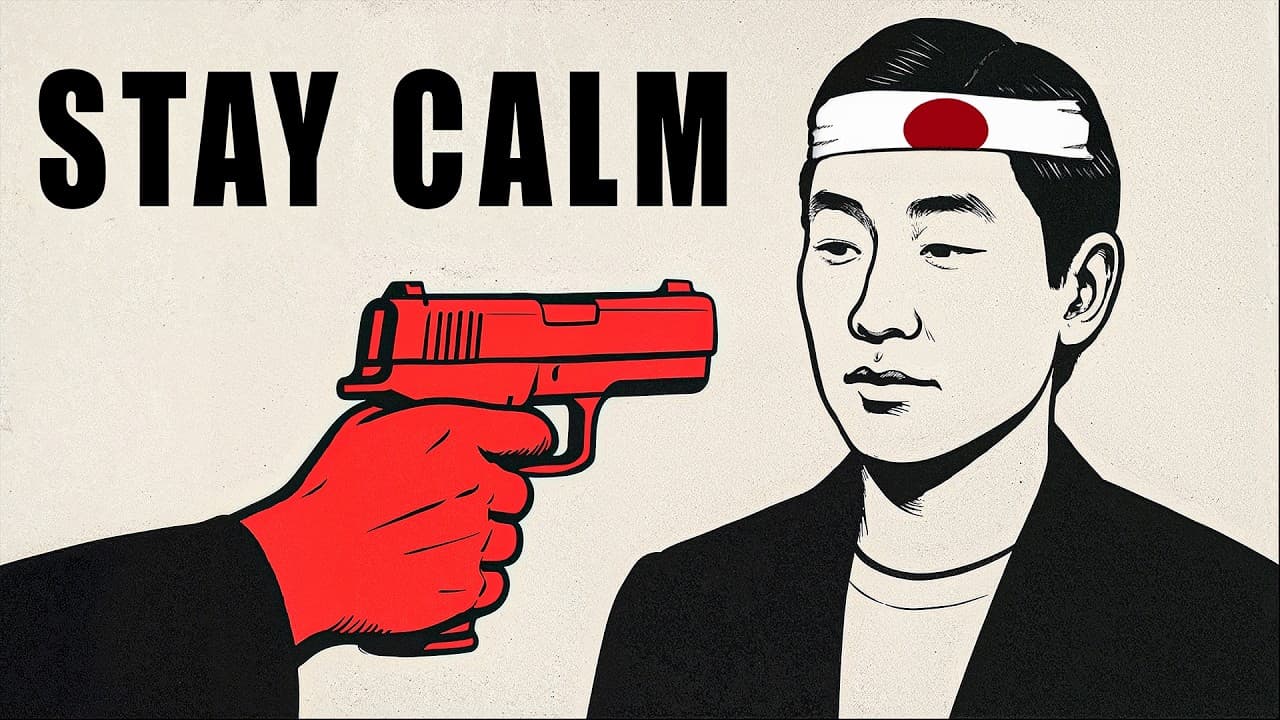
Calmness begins by treating emotions as positions you can change, then creating a deliberate pause before responding. A water-like mind adds clear perception, flexibility, and directed action, while small steps provide a practical path for continued improvement. Together, these methods replace automatic reactions with intentional responses suited to the situation.
Transcript
What happens when emotions take over? Work suffers? Relationships break. Peace disappears. Japanese philosophers solved this problem centuries ago with four simple techniques that transform feelings instead of suppressing them. Their system helped them stay calm during difficult times and works just as well in today's world. The first method instan... Read More
Key Insights
- Emotions are presented as positions that can be consciously changed, not merely forces that happen to a person. This reframing turns emotional awareness into a practical choice about which mental stance best serves the current situation.
- The mountain position is a stance of strength, stability, and unshakable presence. It can project firmness before action occurs, although the transcript also warns that habitual aggressive defense becomes reactive when it is adopted automatically rather than chosen deliberately.
- The river position is quiet, observant, and neutral. It allows a person to watch events without advancing, retreating, or adding emotional distortion, which can reveal diplomatic or practical options that remain invisible during a heated reaction.
- The reed position works through flexibility and redirection. Like a reed bending in strong wind and returning afterward, this emotional stance absorbs pressure without collapsing and channels the force elsewhere instead of meeting it with rigid resistance.
- The wind and shadow positions change an interaction by breaking its expected pattern. Wind introduces an unexpected emotional movement, while shadow represents complete repositioning that makes direct opposition less relevant rather than continuing the conflict on its original terms.
- Ma is the meaningful space between an emotional trigger and the response that follows. Creating even a brief interval allows clarity and choice to emerge, separating an intentional response from the immediate reactions commonly associated with anger, fear, or anxiety.
- A deliberate pause is itself a response that can alter an emotional exchange. A breath before answering criticism, an hour before replying to a heated message, or a night before deciding can prevent an accelerated situation from escalating further.
- The water mind combines accurate reflection, flexible adaptation, and directed power. Its stillness supports clear perception, its flow accommodates obstacles without losing its essence, and its alignment produces impact without the exhaustion created by constant resistance.
Install to Summarize YouTube Videos and Get Transcripts
Explore YouTube Video Summarizer or Get YouTube Transcript Extractor
Questions & Answers
Q: How can I stay calm when strong emotions arise?
Start by asking, "What position am I taking right now, and what position would serve better?" This question reframes anger, fear, or anxiety as a stance that can be changed. Then create a deliberate pause before acting. Use that interval to observe clearly and choose stability, neutrality, flexibility, an unexpected response, or complete repositioning according to the situation.
Q: What are the five emotional positions in Heihō Kadensho?
The five positions presented are mountain, river, reed, wind, and shadow. Mountain projects strength and stability. River observes with calm neutrality. Reed yields while redirecting pressure. Wind introduces an unexpected movement that changes the dynamic. Shadow completely repositions the interaction, making direct opposition ineffective because the person is no longer engaging from the expected emotional dimension.
Q: How does the river position help during conflict?
The river position creates quiet, observant neutrality. Instead of immediately defending, attacking, advancing, or retreating, a person watches the situation without emotional distortion. The transcript illustrates this through a political crisis in which composed observation calmed advisers and made diplomatic options visible. In everyday conflict, the same stance can reveal information and choices hidden by reactivity.
Q: What is ma in Japanese emotional practice?
Ma is the meaningful interval between an emotional trigger and a response. It is described as the silence between musical notes and the empty space that gives form to art, architecture, gardens, and conversation. Applied emotionally, ma creates room for presence, clarity, and choice. It marks the difference between reacting automatically and responding intentionally.
Q: How long should I pause before responding emotionally?
The appropriate pause depends on the situation. The transcript suggests taking a breath before responding to criticism, waiting an hour before answering a heated message, or allowing a night before making an emotional decision. The central principle is not a fixed duration. It is extending the interval enough for clarity and deliberate choice to replace an immediate reaction.
Q: Why is pausing during conflict considered a powerful response?
Pausing interrupts the expected cycle of defense, attack, or escalation. When criticism is met with space instead of an immediate counterreaction, the interaction changes before any words are added. The pause allows emotional intensity to settle and gives clearer options time to appear. It therefore functions as active presence and choice, rather than mere hesitation or withdrawal.
Q: What does the water mind mean?
The water mind, called mizu no kokoro in the transcript, is a model of emotional fluidity. Still water reflects reality without distortion, flowing water adapts to containers and obstacles while preserving its essence, and directed water creates power through alignment. Together, these qualities support clear perception, flexible response, and effective action without rigid resistance or unnecessary exhaustion.
Q: How can I apply the water mind to everyday problems?
Begin by seeing the situation as clearly as still water reflects an image, without adding emotional coloring. Next, adapt like flowing water instead of fighting every difficult colleague, setback, or persistent problem. Finally, direct your effort through alignment rather than raw force. The goal is to remain responsive and effective while avoiding the exhaustion caused by constant resistance.
Summary & Key Takeaways
-
The first method treats emotions as positions rather than uncontrollable forces. Five stances are presented: mountain for stability, river for neutral observation, reed for flexible redirection, wind for an unexpected shift, and shadow for complete repositioning. Asking which stance you currently occupy creates distance from automatic emotional reactions.
-
The concept of ma describes the meaningful interval between an emotional trigger and a response. A deliberate breath, an hour before answering a heated message, or a night before making an emotional decision can preserve choice. The pause is presented as active presence, not weakness, avoidance, or indecision.
-
The water mind combines stillness, adaptability, and aligned power. Still water reflects reality clearly, flowing water adjusts to obstacles without losing its nature, and directed water produces impact without relying on strain. The description also identifies a fourth method, the path of small steps, as part of the overall system.
Read in Other Languages (beta)
Share This Summary 📚
Summarize YouTube Videos and Get Video Transcripts with 1-Click
Try YouTube Summary with ChatGPT & Claude or YouTube Transcript Generator
Explore More Summaries from Statue of Wisdom 📚


Summarize YouTube Videos and Get Video Transcripts with 1-Click
Try YouTube Summary with ChatGPT & Claude or YouTube Transcript Generator